

Introduction
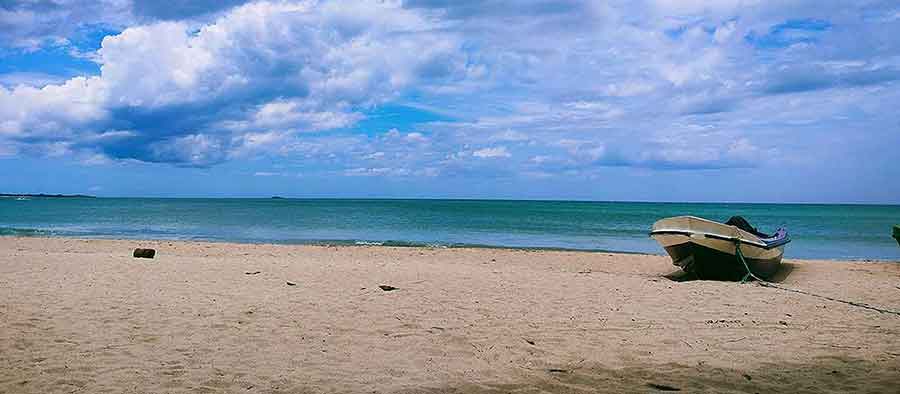
Some beaches impress you the moment you arrive.
Nilaveli isn’t one of them.
There’s no loud beachfront, no endless rows of cafés, and no beach parties spilling into the night. At first, it almost feels… quiet. Maybe even too quiet.
But give it an hour.
Walk along the shoreline. Sit under a palm tree. Watch the fishing boats head out while the sea stays almost unbelievably calm. That’s usually when Nilaveli starts to make sense.
Located about 16 km north of Trincomalee on Sri Lanka’s east coast, Nilaveli is one of those places that doesn’t try too hard. And honestly, that’s part of its charm.
People don’t come here to tick off attractions every hour. They come because the beach is wide, the water is clear during the season, and life slows down without you even noticing.
It’s the kind of place where your biggest decision might be whether to go snorkeling in the morning… or simply stay on the beach a little longer.
If you’re looking for nightlife, shopping streets, or packed itineraries, Nilaveli probably isn’t the right fit.
But if your idea of a good holiday is a quiet beach, fresh seafood, and mornings that don’t require an alarm, you’ll probably enjoy it here.
This guide covers everything you actually need to know before visiting—without the usual travel-guide fluff.
Where Is Nilaveli Beach?
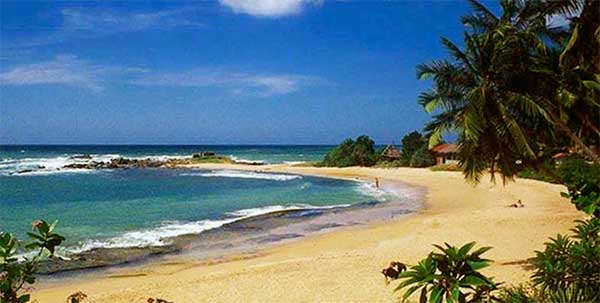
Nilaveli Beach sits on Sri Lanka’s east coast, around a 25 to 30-minute drive north of Trincomalee.
Although they’re close on the map, they feel completely different.
Trincomalee is where people come for transport, shopping, markets, and everyday city life.
Nilaveli is where they slow down.
Once you leave the town behind, the traffic fades, the roads get quieter, and before long you’re looking at one of the widest beaches on the east coast.
Most visitors arrive through Trincomalee by train, bus, or private car before taking a tuk-tuk to Nilaveli. It’s an easy trip, and after that, you can forget about transport for a while.
The beach, guesthouses, restaurants, and boat departures for Pigeon Island are all close enough that you can explore at your own pace.
No rushing. No complicated plans.
Location
What Makes Nilaveli Beach Different from Other Sri Lankan Beaches?
Sri Lanka has plenty of beautiful beaches.
So why travel all the way to Nilaveli?
Because it offers something that’s becoming harder to find.
It Still Feels Peaceful
Even during the busy season, Nilaveli rarely feels crowded. The beach is so wide that everyone naturally spreads out. You can walk for quite a while without passing many people.
And that’s surprisingly refreshing.
The Sea Is Usually Calm
Visit between May and September, and you’ll often find clear water that’s ideal for swimming.
Families love it. So do travelers who just want to spend an hour floating in the ocean without worrying about big waves.
Of course, conditions can change, so it’s always worth checking with locals before heading in.
Pigeon Island Is Right Offshore
One of the biggest reasons people visit Nilaveli is Pigeon Island National Park.
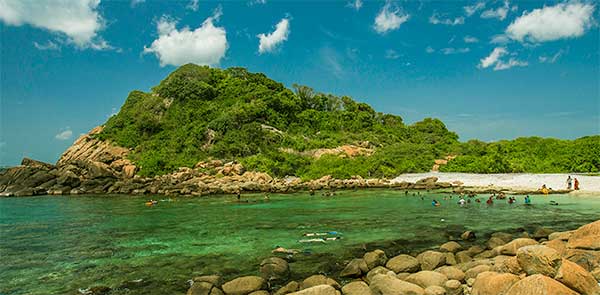
It’s only a short boat ride away and easily one of the best places in Sri Lanka for snorkeling. Expect colorful reef fish, sea turtles, coral gardens, and, if you’re lucky, harmless blacktip reef sharks.
Go in the morning if you can. The sea is usually calmer, and the water is much clearer.
It Doesn’t Feel Built for Tourists
This might be Nilaveli’s biggest strength.
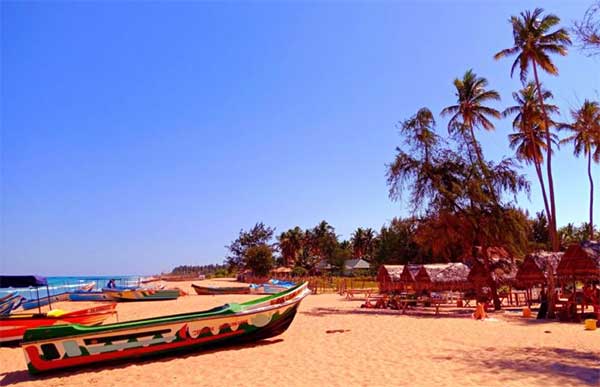
You’ll still see local families spending the day on the beach. Fishermen heading out early. Kids playing cricket in the evening.
Tourism is here, of course. But it hasn’t completely changed the place.
And somehow, that makes Nilaveli feel more genuine than many of Sri Lanka’s better-known beach towns.
Sometimes, that’s exactly what makes a destination memorable.
Best Time to Visit Nilaveli Beach
Timing can completely change your experience in Nilaveli.
Visit during the right season and you’ll find calm turquoise water, sunny days, and some of the best snorkeling conditions on Sri Lanka’s east coast.
Come at the wrong time, and the sea can be rough enough that boat trips to Pigeon Island don’t even leave.
For most travelers, May to September is easily the best time to visit.
This is when the east coast enjoys its dry season. The sea is usually calm, the skies stay mostly clear, and the water is perfect for swimming. If snorkeling is on your list, this is when you’ll get the best visibility too.
April and October sit somewhere in between.
Some days are beautiful. Others can be unpredictable. If you’re flexible with your plans, these months can still be a good time to visit—and you’ll often find fewer visitors around.
The months from November to January are a different story.
The northeast monsoon can bring rough seas and frequent rain. Some hotels operate with fewer services during this period, and snorkeling trips are often cancelled if conditions aren’t safe.
One local tip that’s worth knowing…
August is one of the busiest months for Sri Lankan families because of school holidays. Hotels can fill up a little faster than usual, but don’t expect the kind of crowds you’ll see in Mirissa or Unawatuna. Nilaveli still manages to feel surprisingly peaceful.
Getting to Nilaveli Beach
Getting to Nilaveli is easier than many first-time visitors expect.
Most people travel through Trincomalee, which is the main transport hub on the east coast. From there, it’s only about a 30-minute tuk-tuk ride to the beach.
If you’re coming from Colombo, you have a few good options.
The train to Trincomalee is one of the most scenic and relaxed ways to travel, especially if you don’t mind the longer journey. There are also long-distance buses throughout the day, while driving takes around six to seven hours depending on traffic.
Already exploring Sri Lanka?
Reaching Nilaveli is straightforward from places like Sigiriya, Anuradhapura, or Pasikuda, making it an easy addition to an east coast itinerary.
Once you’re here, life gets much simpler.
Nilaveli isn’t a place where you spend the day jumping between attractions. Most guesthouses, restaurants, and the beach are within easy reach, and tuk-tuks are always available if you need one.
Honestly, after you check in, there’s a good chance your shoes won’t get much use.
What Is the Beach Like?
The first thing you’ll probably notice isn’t the sea.
It’s the space.
Nilaveli Beach stretches for several kilometers, so even when there are plenty of visitors around, it rarely feels busy. People naturally spread out, which means finding a quiet spot is almost never a problem.
The sand is soft and light in color, and during the dry season the water shifts between bright turquoise and deep blue depending on the sunlight. It’s one of those beaches that looks different every few hours.
Mornings are easily the best time to be here.
The air is cooler, the sea is usually calmer, and you’ll often share the beach with a few walkers, fishermen, and the occasional jogger. It feels peaceful without trying to be.
By midday, the tropical sun becomes much stronger. This is when most people slow down—find some shade, enjoy a fresh king coconut, or head back to the hotel for a while.
Then, towards late afternoon, everything changes again.
The light softens, the breeze picks up, and the beach slowly comes back to life. Families wander down to the shore, children play in the sand, and couples settle in to watch the changing colors over the ocean.
Nilaveli faces east, so you won’t get those dramatic sunsets the south coast is known for. But that doesn’t make the evenings any less enjoyable.
There’s a quietness here that’s difficult to describe until you’ve experienced it yourself.
And after dark?
Don’t expect beach bars or loud music.
For some travelers, that might feel too quiet.
For others, it’s exactly why they came.
Swimming & Safety
If swimming is one of the main reasons you’re visiting Nilaveli, you’re in luck.
During the east coast season – roughly May to September – the sea is usually calm, warm, and inviting. It’s one of the reasons so many families choose Nilaveli over some of Sri Lanka’s other beaches.
The water stays fairly shallow near the shore, so it’s easy to spend an hour simply floating or cooling off from the heat.
That said, it’s still the ocean.
There are no lifeguards, and conditions can change with the wind or tides. A beach that looks calm in the morning can feel quite different later in the day.
A good habit is to take a minute before getting in. Watch the waves, see what the locals are doing, and if you’re unsure, ask someone nearby. It only takes a moment, and it can make a big difference.
If you’re planning a longer swim, earlier is usually better. The sea is often calmer, the water clearer, and the sun far more forgiving.
Snorkeling & Pigeon Island National Park
If there’s one experience you shouldn’t miss while you’re in Nilaveli, it’s Pigeon Island National Park.
The island sits just offshore, and the boat ride only takes around 15 minutes. Short enough that you’ll wonder why you didn’t book it sooner.
Most people come here for one reason – snorkeling.
The reefs around Pigeon Island are among the healthiest in Sri Lanka. You’ll likely spot colorful tropical fish, coral gardens, and if you’re lucky, a sea turtle gliding past without paying much attention to you.
And yes, there’s a good chance you’ll see blacktip reef sharks too.
Don’t let the name worry you. They’re small, naturally shy, and one of the highlights of snorkeling here.
A couple of simple tips can make the trip much better.
Go in the morning if possible. The sea is usually calmer, and the visibility is often at its best.
And before booking, ask what’s included. Some operators provide decent masks and fins, while others don’t. It’s worth checking rather than finding out when you’re already on the boat.
One more thing.
The coral here is protected for a reason. Try not to stand on it, even if the water looks shallow. It’s easy to forget, but those reefs take decades to grow and only seconds to damage.
Where to Stay in Nilaveli
Nilaveli isn’t filled with giant beachfront resorts.
And honestly, that’s part of its appeal.
Most places to stay are small hotels, family-run guesthouses, or quiet beachfront villas where you’ll probably get to know the owners before you leave.
If waking up and walking straight onto the beach sounds like your kind of holiday, there are several beachfront properties that make it easy. Don’t expect over-the-top luxury, though. Nilaveli is more about comfort than extravagance.
Guesthouses are another great option, especially if you enjoy a more personal experience. The owners often know the area inside out and are usually the best people to ask about boat trips, seafood restaurants, or places that don’t appear on Google Maps.
If you’re traveling on a budget, you’ll find plenty of simple rooms with everything you actually need. Air conditioning is common, Wi-Fi is generally reliable, and since most days are spent outside anyway, many travelers don’t feel the need to splurge.
One small tip before you book…
Check recent reviews for power backup and water supply. They’re rarely major issues, but it’s always nice to know what to expect.
Food in Nilaveli
Nilaveli isn’t the place you visit for trendy cafés or late-night dining.
But if you enjoy fresh seafood and simple Sri Lankan cooking, you’ll eat well.
Most restaurants serve the essentials—rice and curry, grilled fish, prawns, fried rice, and a handful of Western dishes for anyone craving a break from local food.
The seafood is usually the highlight.
If you’re staying at a guesthouse, ask whether they can prepare fresh seafood if you buy it locally. Many happily will, and you’ll often end up with one of the best meals of your trip.
Sometimes the best dinner isn’t on the menu at all.
One thing worth remembering is that evenings are quiet here. Many restaurants start winding down after sunset, and by around 9:30 or 10:00 PM, most have closed for the night.
So don’t leave dinner too late.
That’s just how Nilaveli works.
People come for slow mornings, long beach walks, and early nights—not for bar hopping until midnight.
And after a full day in the sun, you’ll probably find yourself doing exactly the same.
Things to Do Beyond the Beach
The truth is, most people come to Nilaveli for the beach.
And that’s perfectly fine.
But if you’re spending a couple of days here, there are a few places nearby that are well worth your time.
Explore Trincomalee
Trincomalee is only half an hour away, yet it feels like a completely different destination.
Spend a morning wandering through the local market, visit the colorful Koneswaram Temple, or explore Fort Frederick, where deer casually wander through the old fort grounds.
It’s a nice change of pace before heading back to the quiet of Nilaveli.
Go Whale Watching (In Season)
If you’re visiting between March and August, whale watching is another experience worth considering.
Tours leave from Trincomalee Harbour, and while wildlife is never guaranteed, sightings of blue whales, sperm whales, and dolphins are fairly common during the season.
If it’s something you’ve always wanted to do, this is one of the better places in Sri Lanka to try.
Slow Down for a While
Not every destination needs a long list of activities.
Nilaveli certainly doesn’t.
Some of the best moments here aren’t planned at all.
An early morning walk before the beach wakes up.
Reading a book under a palm tree.
Watching fishermen return with the day’s catch.
Or simply sitting by the water with absolutely nowhere to be.
It might sound simple.
That’s because it is.
And somehow, that’s exactly what makes Nilaveli memorable.
Practical Travel Tips
A little preparation goes a long way here.
Nilaveli isn’t difficult to travel around, but it’s not as developed as Sri Lanka’s busiest beach towns either.
A few small things can make your trip much easier.
Carry Some Cash
While a few hotels and restaurants accept cards, many smaller businesses still prefer cash.
There’s no need to carry a huge amount, but don’t expect to pay for everything with your bank card.
Pack for the Sun, Not the Heat
Most people remember sunscreen.
Fewer people think about a lightweight long-sleeved shirt, a hat, or sunglasses.
The east coast sun has a habit of feeling stronger than expected, especially around midday.
A little extra sun protection will make those long beach walks much more enjoyable.
Respect the Beach
Nilaveli is still one of the quieter beaches in Sri Lanka, and hopefully it stays that way.
Take your rubbish with you if bins aren’t nearby.
Keep music to yourself.
And if you’re snorkeling, admire the marine life without touching it.
Simple things. But they make a difference.
Expect Early Evenings
This catches some visitors by surprise.
Restaurants close earlier than they do on the south coast, and after dinner the town becomes remarkably quiet.
If you’re expecting cocktails until midnight, Nilaveli probably isn’t the place.
If you’re happy ending the day with a beach walk and an early night’s sleep…
You’ll fit right in.
A Few Things Most Travel Guides Don’t Tell You
Sometimes it’s the little details that shape your trip the most.
Not the famous attractions.
Not the hotel.
Just the small things you only notice once you’re there.
Mornings Are Worth Waking Up For
If you’re only setting one alarm on your trip, make it an early one.
Between sunrise and around 8:30 AM, Nilaveli feels completely different.
The beach is cooler, the sea is usually calmer, and there’s a peacefulness that’s hard to find later in the day.
Even if you’re not an early riser, it’s worth doing at least once.
Don’t Overplan Your Days
It’s tempting to fill every day with activities.
Boat trip.
Temple.
Market.
Beach.
Another boat trip.
But Nilaveli isn’t really that kind of destination.
Leave a few hours with nothing planned.
You’ll probably end up enjoying those the most.
Morning Is Best for Pigeon Island
If snorkeling is high on your list, don’t leave it until the afternoon.
Morning trips usually mean calmer water, better visibility, and a more relaxed experience before the beach gets busier.
Sometimes a couple of hours makes all the difference.
Fresh Seafood Is Easier Than You Think
One of the nicest meals you can have in Nilaveli may never appear on a restaurant menu.
Ask your guesthouse if they’ll cook seafood you buy locally.
Many are happy to do it, usually for a small fee.
It’s simple.
Fresh fish, a little garlic, lime, and chili.
That’s often all it needs.
Nilaveli Isn’t Trying to Entertain You
This is probably the biggest thing to understand before you arrive.
Nilaveli doesn’t try to keep you busy every minute of the day.
There aren’t endless attractions.
There isn’t much nightlife.
There aren’t shopping streets to wander through for hours.
Instead, it offers something many holidays quietly forget.
Time.
Time to read.
Time to swim.
Time to sit by the ocean without checking what’s next.
For some travelers, that sounds boring.
For others, it’s exactly the holiday they’ve been looking for.
Videos
FAQ
Is Nilaveli Beach good for swimming?
Yes. Between May and September, the sea is usually calm and ideal for swimming. There are no lifeguards, though, so always check the conditions before going too far from shore.
Is Nilaveli better than Uppuveli?
It depends on what you’re looking for. Nilaveli is quieter and more spacious, while Uppuveli offers more restaurants, cafés, and nightlife.
Can you visit Pigeon Island directly from Nilaveli?
Yes. Boat trips leave directly from Nilaveli Beach and take about 15 minutes. Morning tours usually offer calmer seas and better visibility for snorkeling.
Does Nilaveli Beach get crowded?
Not often. Even during the peak season, the beach is large enough that it rarely feels busy. August sees more local visitors, but it’s still quieter than many south coast beaches.
Is there nightlife in Nilaveli?
Very little. Most restaurants close by around 9:30–10:00 PM, making Nilaveli a better choice for relaxing evenings than late-night entertainment.
Is Nilaveli suitable for families?
Yes. The calm sea, wide beach, and relaxed atmosphere make it a popular choice for families. Just remember there are no lifeguards, so children should always be supervised.
What’s the best time of day to visit the beach?
Early morning is hard to beat. The weather is cooler, the sea is calmer, and the beach is much quieter than later in the day.
Is Nilaveli worth visiting if I don’t snorkel?
Absolutely. Many visitors come simply to enjoy the beach, swim, unwind, and escape the crowds. Snorkeling is a bonus—not a requirement.
How many days should I stay in Nilaveli?
Two to three nights is ideal. It gives you enough time to relax, visit Pigeon Island if you wish, and enjoy the beach without rushing.
Is Nilaveli safe for solo travelers?
Generally, yes. It’s a quiet destination with a relaxed atmosphere. As with anywhere, use common sense, especially when walking around late at night.
Can I explore Nilaveli without a vehicle?
Yes. Most hotels, restaurants, and the beach are close together. For longer distances, tuk-tuks are easy to find.
Does Nilaveli still feel authentic?
Yes. Tourism has grown, but Nilaveli still feels local. You’ll often see Sri Lankan families, fishermen, and a slower pace of life that’s becoming harder to find.
Final Thoughts
Nilaveli Beach isn’t about packed schedules or famous attractions. It’s about slowing down and enjoying the simple things – a quiet morning walk, a calm swim, fresh seafood, and the sound of the waves.
If that’s the kind of holiday you’re looking for, Nilaveli is well worth adding to your Sri Lanka itinerary.
Sometimes, the best places aren’t the busiest ones.
Share your experience or travel tips in the comments below, we’d love to hear from you.
By Tour My Lanka Editorial Team
– promoting sustainable and authentic travel across Sri Lanka.
Last Updated: January 2026