
Introduction
Mirissa, Weligama, Unawatuna, and Hiriketiya usually come up first when considering Sri Lanka’s southern coast tourist attractions. They’re beautiful, lively, and packed with cafés, surf schools, and beachfront accommodation.
But there’s another destination on the south coast, it is Kudawella.
Just a short drive from these popular destinations lies Kudawella, a small fishing village where the day still starts when the fishing boats leave the harbour, not when the cafés open. Here, mornings begin with fishing boats returning to the harbor instead of beach bars opening for breakfast. Fresh seafood arrives straight from the ocean, and You’ll hear fishermen discussing the day’s catch instead of tour guides gathering groups for the next stop.
Most travelers know Kudawella because of the famous Hummanaya Blow Hole. They stop for a few photos, spend half an hour exploring the viewpoint, and continue towards Tangalle or Hiriketiya.
Honestly, that’s a shame.
Hummanaya may be what brings people here, but it isn’t what they remember. It’s the chance to experience a part of coastal Sri Lanka that still feels wonderfully genuine. Life moves a little slower here. Fishermen still head out before dawn, neighbours stop to chat on the roadside, and the sea continues to shape almost everything that happens in the village.
Quick Overview
| Quick Overview | Information |
|---|---|
| Province | Southern Province |
| Nearest Major Town | Tangalle |
| Best For | Local culture, photography, seafood, coastal scenery |
| Time Needed | Half day to one full day |
| Suitable For | Couples, photographers, cultural travelers, families |
| Tourist Crowds | Low |
| Best Season | December to April |
| Budget Level | Low to Moderate |
Why Kudawella Feels Different from Other Beach Destinations
The biggest difference isn’t the scenery.
It’s the atmosphere.
Destinations like Mirissa and Weligama have grown into tourist towns over the last decade. They’re fantastic if you’re looking for surfing, nightlife, beach cafés, or boutique hotels.
Kudawella isn’t trying to compete with those places. And that’s exactly why it stands out.
Fishing still drives the local economy here. Tourism exists, but it hasn’t taken over village life.
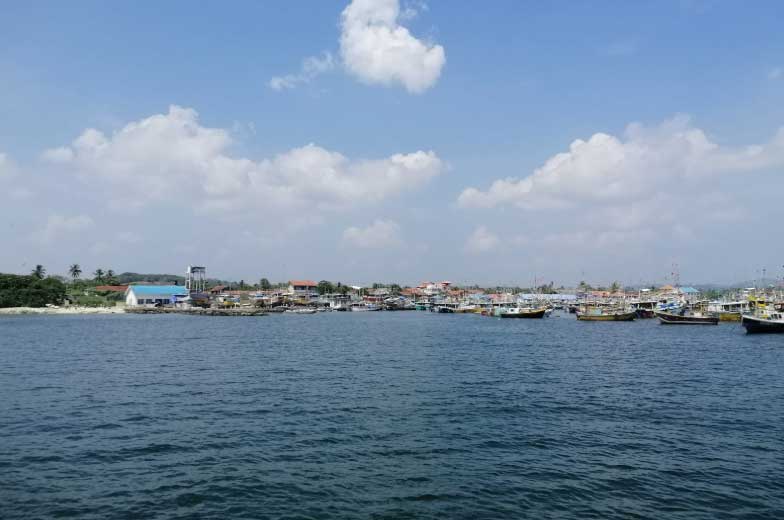
Wake up before sunrise and you’ll see dozens of colorful fishing boats making their way back to the harbor after a night at sea. Ice trucks line up along the road. Traders inspect the morning’s catch. Fishermen unload giant tuna, swordfish, and reef fish while local buyers negotiate prices with remarkable speed.
It’s busy, a little noisy, and occasionally chaotic, but that’s exactly what makes it feel real.
What many experienced travelers appreciate is that nothing here feels staged for visitors. You’re simply observing everyday life as it happens.
Places like this are becoming harder to find.
Where Is Kudawella?
If you’re already staying in Hiriketiya or Tangalle, getting to Kudawella is surprisingly easy on Sri Lanka’s southern coastline, tucked between Dikwella and Tangalle. Despite being close to several well-known beach towns, it remains relatively overlooked by international visitors.
Approximate distances from some popular destinations:
| Location | Approximate Distance |
|---|---|
| Tangalle | 12 km |
| Dikwella | 5 km |
| Hiriketiya | 6 km |
| Mirissa | 30 km |
| Galle | 75 km |
| Bandaranaike International Airport (CMB) | Approximately 215 km |
One of the best things about visiting Kudawella is how easily it fits into a southern coast road trip.
Many travelers spend the morning exploring the fishing harbor, visit Hummanaya before lunch, relax at Hiriketiya Beach in the afternoon, and finish the day watching the sunset near Tangalle. Everything is close enough that you don’t spend half your holiday sitting in a vehicle.
The Best Way to Experience Kudawella
Wake Up Before Sunrise
If there’s one piece of advice I’d give anyone visiting Kudawella, it’s this:
Don’t arrive at midday.
By lunchtime, the harbor has already quietened down, and you’ll miss the most interesting part of the day.
Instead, aim to be there between 5:30 AM and 7:30 AM.
That’s when you’ll see Kudawella at its busiest.
Fishing boats begin returning one after another, many carrying catches from overnight trips into the Indian Ocean. Crews unload baskets filled with tuna, snapper, trevally, barracuda, and other local fish while traders move quickly between boats, inspecting the quality of the catch before agreeing on prices.
The whole harbor has a rhythm to it.
It might look chaotic at first, but everyone seems to know exactly what they’re doing.
For photographers, this is easily the best time to visit.
Even if you never pick up a camera, it’s worth standing there for a while. Boats come in one after another, people greet each other across the harbour, and before you know it, you’ve spent an hour just watching everything unfold. It’s worth spending an hour just watching village life unfold.
You’ll probably find yourself staying longer than you planned.
One small tip that many guidebooks don’t mention: stay out of the workers’ way. The harbor isn’t a tourist attraction for the people earning their living there—it’s their workplace. A smile, a friendly greeting, and a little patience go a long way, and you’ll almost always be welcomed warmly.
Understanding Life in a Southern Fishing Village
It’s easy to drive through a fishing village without really seeing it.
You can see from the outside that Kudawella might look like a collection of boats, small houses, and narrow roads leading to the sea. But if you can spend a little time here, especially in the morning, you’ll quickly realize how closely everyday life is tied to the ocean.
As a visitor, it’s fascinating to watch.
And unlike some tourist attractions, this isn’t a performance. It’s simply another working day.
One thing you’ll notice is how friendly many locals are. If you greet someone with a smile—or even better, say “Ayubowan”—don’t be surprised if the conversation continues well beyond a simple hello.
That said, remember that the harbor is someone’s workplace. If you want to take close-up portraits, ask first. Most fishermen don’t mind, but asking shows respect, and it often leads to a better interaction anyway.
Hummanaya Blow Hole: More Than Just a Quick Stop
For many travelers, Hummanaya is the reason they visit Kudawella in the first place.
And yes, it’s impressive.
But here’s something many visitors don’t realize.
The blowhole doesn’t perform the same way all day.
Some people arrive during low tide, see only a small splash, and leave wondering what all the fuss was about. Others visit on rougher days or closer to high tide and witness enormous columns of water soaring into the sky.
Timing makes all the difference.
If possible, check the local tide times before your visit. Early morning or late afternoon often provides softer light for photography as well, making the experience even better.
The viewing platform offers excellent views, and it’s more than enough to enjoy the spectacle safely.
You’ll probably notice a few people climbing onto nearby rocks for a better photo. It’s not worth it.
The coastline here is constantly exposed to strong waves, and conditions can change very quickly. Every year, accidents happen simply because visitors underestimate the power of the ocean.
A good photo is never worth taking unnecessary risks.
Hidden Beaches Most Travelers Miss
One of the biggest advantages of staying around Kudawella is that you’re surrounded by beaches that receive only a fraction of the visitors found elsewhere along the south coast.
Some don’t even appear on popular travel itineraries.
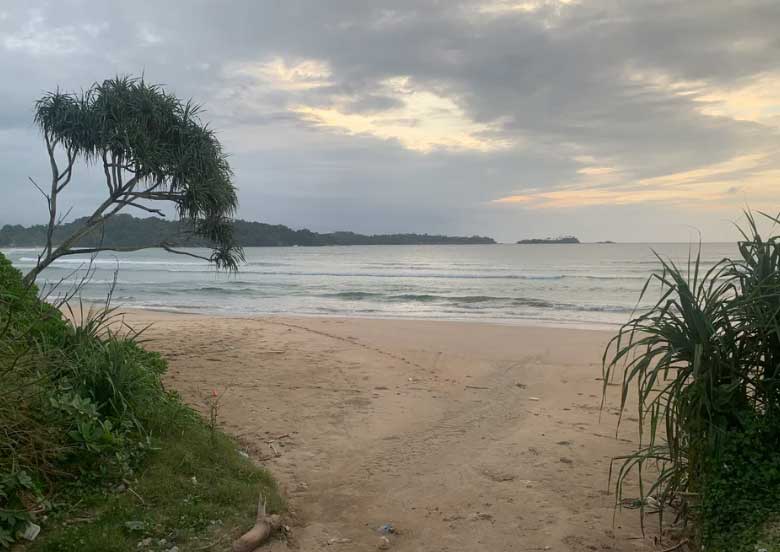
Kudawella Beach
This isn’t the kind of beach where you’ll find rows of sunbeds or beach clubs.
Instead, it’s quiet.
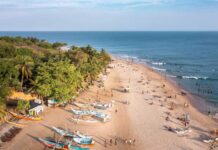
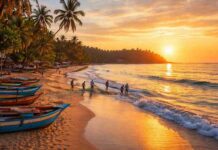
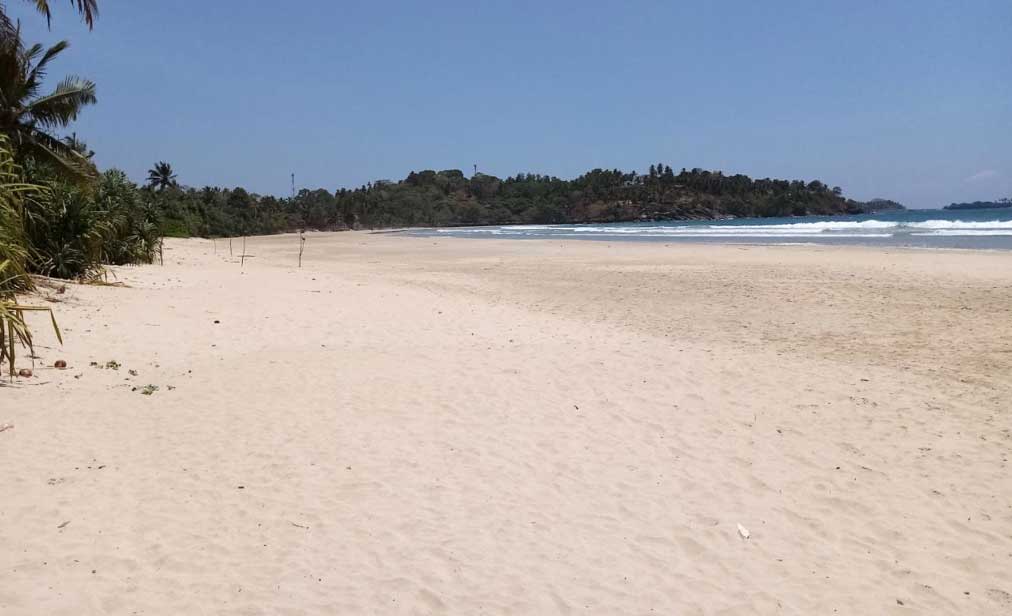
Fishing boats rest along the shore, waves crash against the rocks, and apart from local fishermen, you may have large sections almost entirely to yourself.
Swimming isn’t always recommended because of changing sea conditions, but it’s a wonderful place for a peaceful walk or some coastal photography.
Mawella Beach
If you’re hoping for calmer water, Mawella Beach is a much better choice.
The bay is naturally sheltered, making it ideal for swimming during the dry season. The long stretch of golden sand also means it rarely feels crowded, even during peak tourist months.
If you enjoy quieter beaches without loud music or busy crowds, you’ll probably appreciate Mawella.
Silent Beach
Despite becoming a little better known in recent years, Silent Beach still lives up to its name compared to Mirissa or Unawatuna.
It’s especially beautiful late in the afternoon when the light softens and the temperature becomes more comfortable for walking along the shore.
Bring a towel, a book, and maybe a fresh king coconut from a roadside stall.
Sometimes, that’s all you really need.
The Rocky Coastline Around Kudawella
This is probably the area’s most overlooked attraction.
Most people drive directly to Hummanaya, take a few photos, then leave without exploring the coastline itself.
That’s a pity.
The dramatic cliffs, crashing waves, and volcanic-looking rock formations create some of the most striking coastal scenery in southern Sri Lanka.
It’s particularly beautiful after sunrise or during the golden hour before sunset.
If you enjoy landscape photography, allow yourself some extra time here.
Seafood Experiences You Shouldn’t Miss
If there’s one thing you should definitely do in Kudawella, it’s eat seafood.
Not because every restaurant is fancy.
Quite the opposite.
Many of the best meals come from simple family-run restaurants where today’s menu depends entirely on what the fishermen brought back that morning.
Fresh tuna is a favorite, but depending on the season, you’ll also find kingfish, snapper, cuttlefish, prawns, crab, and plenty of reef fish that rarely appear on menus outside Sri Lanka.
One local dish that’s well worth trying is fish ambul thiyal.
Unlike the coconut milk curries many visitors expect, ambul thiyal is prepared with black pepper, garlic, goraka (a sour local fruit), and spices before being slowly cooked until the flavors become wonderfully rich. It’s one of those dishes that’s deeply rooted in Sri Lankan home cooking.
Don’t expect it to look fancy.
It doesn’t need to.
Another tip? Ask what’s fresh today instead of ordering straight from the menu.
In smaller restaurants, the freshest catch often isn’t listed anywhere. The owner might simply tell you, “Today we have tuna and prawns,” because that’s what arrived at the harbor that morning.
Those are usually the meals worth choosing.
Typical Food Prices
Sri Lanka remains one of the more affordable destinations in Asia, although prices along the south coast have increased over the last few years.
Here’s a rough idea of what you can expect to pay:
| Food & Beverage | Approximate Price (LKR) |
|---|---|
| Rice and Curry | LKR 1,200 – 2,000 |
| Grilled Tuna | LKR 2,500 – 4,000 |
| Seafood Fried Rice | LKR 2,000 – 3,500 |
| Crab Curry | LKR 3,500 – 6,000 |
| Seafood Platter | LKR 5,000 – 9,000 |
| Fresh King Coconut | LKR 200 – 500 |
| Local Ceylon Tea | LKR 150 – 400 |
Prices can vary depending on the restaurant and the season, especially around Christmas and New Year when visitor numbers are highest.
A Local Tip Most Visitors Never Hear About
Here’s something you probably won’t find in many travel guides.
If you’re wandering around the harbor early in the morning and happen to buy fresh fish directly from one of the vendors, some small family-run restaurants nearby may be happy to cook it for you.
Not every place offers this, and it’s always polite to ask first.
Usually, you’ll pay a small preparation fee, and they’ll cook it however you like—grilled, curried, or fried with local spices.
It’s simple.
It’s local.
And there’s a good chance it’ll be one of the freshest seafood meals you’ll eat anywhere in Sri Lanka.
Getting to Kudawella
One of the nice things about Kudawella is that it’s easy to reach, even though it still feels off the main tourist trail.
If you’re already exploring Sri Lanka’s southern coast, chances are you won’t need to make a special trip just for this village. It fits naturally into a journey between Mirissa, Hiriketiya, Tangalle, or even Yala National Park.
By Private Car
Hiring a car with a driver is still the most comfortable way to travel around Sri Lanka, especially if you’re planning to visit several places in one day.
The roads along the southern coast are generally in good condition, and the drive itself is part of the experience. You’ll pass coconut plantations, roadside fruit stalls, Buddhist temples, fishing villages, and occasional glimpses of the Indian Ocean.
Approximate travel times:
From Travel Time
| Starting Point | Approximate Travel Time |
|---|---|
| Colombo | 3.5 – 4.5 hours |
| Galle | 1.5 hours |
| Mirissa | 40 minutes |
| Hiriketiya | 15 minutes |
| Tangalle | 20 minutes |
If you’re already staying in Hiriketiya or Dikwella, Kudawella makes a very easy morning trip.
By Train
Sri Lanka’s coastal railway is famous for its ocean views, but it doesn’t reach Kudawella directly.
The nearest practical railway station is Matara.
From there, you can hire:
- A tuk-tuk
- A taxi
- A PickMe ride if available
Expect another 40 to 60 minutes by road.
The train journey is slower than driving, but it’s one of the most scenic ways to travel through southern Sri Lanka.
If you’re not in a hurry, it’s worth considering.
By Bus
For budget travelers, local buses are by far the cheapest option.
Regular buses travel between:
- Matara
- Dikwella
- Tangalle
From Dikwella, it’s only a short tuk-tuk ride to Kudawella.
The buses can get crowded, especially during school holidays and weekends. Air conditioning is uncommon on local services, so be prepared for a more local travel experience.
Still, they’re reliable and incredibly affordable.
Approximate Transport Costs
| Transport Option | Approximate Cost (LKR) |
|---|---|
| Local Bus | LKR 100 – 500 |
| Tuk-tuk (from Hiriketiya) | LKR 800 – 1,500 |
| Taxi (from Mirissa) | LKR 4,000 – 7,000 |
| Private Driver (Full-Day Hire) | LKR 15,000 – 30,000 |
Local tip: Before getting into a tuk-tuk, agree on the fare if there’s no meter. Most drivers are honest, but confirming the price beforehand avoids awkward conversations later.
Common Mistakes Tourists Make
After spending time around Sri Lanka’s southern coast, a few patterns become obvious.
Many visitors unknowingly make the same mistakes.
The good news? They’re easy to avoid.
1. Treating Kudawella as a 30-Minute Stop
This is probably the biggest one.
People drive to Hummanaya, take a few photos, buy a coconut, and leave.
They never visit the harbor.
Never walk through the village.
Never taste the seafood.
And they miss the very thing that makes Kudawella special.
Give yourself at least half a day.
Better still, spend the morning here before heading towards Hiriketiya or Tangalle.
2. Arriving Too Late
If you arrive after 10:00 AM, you’ve already missed the busiest part of village life.
Fishing boats are gone.
The harbor has quietened down.
The fish market is almost over.
Early mornings really are worth the effort.
Even if it means setting your alarm a little earlier than usual.
3. Expecting a Luxury Beach Town
Some travelers arrive expecting boutique hotels, beach clubs, and trendy cafés.
That’s not Kudawella.
And honestly, that’s part of its appeal.
The village is simple.
Authentic.
Unpolished in the best possible way.
If you’re looking for nightlife, stay in Hiriketiya.
If you’re looking for real coastal Sri Lanka, spend some time here.
4. Photographing People Without Asking
It’s easy to get carried away.
The colorful boats, fishermen repairing nets, and busy harbor create fantastic photography opportunities.
But remember these are people at work.
A quick smile and a simple “Can I take a photo?” almost always get a positive response.
Sometimes you’ll even end up chatting with locals for twenty minutes afterward.
Those conversations often become the best memories of the trip.
5. Ignoring the Weather
Many first-time visitors assume Sri Lanka has the same weather everywhere.
It doesn’t.
Conditions on the south coast change throughout the year.
Checking the forecast before visiting Hummanaya can make a huge difference.
The blowhole is always there.
But the waves decide how impressive it will be.
Seasonal Travel Guide
One question we receive regularly at Tour My Lanka is:
“When is the best time to visit Kudawella?”
The answer depends on what you’re hoping to experience.
December to April
This is generally considered the best season.
Expect:
- Blue skies
- Lower humidity
- Calmer seas
- Better swimming conditions
- More sunshine
It’s also peak tourist season, so accommodation nearby can book out well in advance.
If you’re traveling between Christmas and February, reserve hotels early.
May to September
Many people avoid this period because parts of Sri Lanka experience monsoon weather.
But the south coast can still be rewarding.
The ocean becomes much more dramatic.
And that’s actually good news if you’re visiting Hummanaya.
Larger waves often produce much higher water eruptions.
Photography can be spectacular.
Swimming, however, becomes less predictable.
Always pay attention to warning flags.
If locals aren’t swimming, there’s usually a good reason.
October and November
These months are less predictable.
One day may be sunny.
The next could bring heavy afternoon rain.
It’s still possible to travel comfortably—you’ll just want a little flexibility in your plans.
A lightweight rain jacket is worth carrying.
Hidden Gems Nearby
One of the biggest advantages of visiting Kudawella is that you’re surrounded by places many tourists never add to their itinerary.
Here are a few worth exploring.
Rekawa Turtle Beach
Around twenty minutes from Kudawella lies one of Sri Lanka’s best-known turtle nesting beaches.
Just remember, flash photography is discouraged, and keeping a respectful distance is essential.
Mawella Lagoon
If the beaches feel a little busy, head inland for a quieter experience.
It’s surprisingly calm compared to the open ocean just a few minutes away.
Dikwella Beach
While Hiriketiya often steals the spotlight, Dikwella Beach deserves more attention.
It’s also a good option for families with children.
Hiriketiya
Only a short drive away, Hiriketiya offers a completely different vibe.
You’ll find:
- Surf schools
- Specialty coffee shops
- Boutique hotels
- Yoga studios
- Digital nomads working from beachfront cafés
Many travelers enjoy combining both places on the same day.
Spend the morning in authentic Kudawella, then head to Hiriketiya for lunch or sunset.
It works surprisingly well.
Blue Beach Island
Not many visitors realise that this tiny island near Nilwella offers some of the clearest water on this stretch of coastline.
It’s a nice place to add if you’re already exploring the area, especially outside the busiest holiday periods.
A Small Local Insight
One thing you’ll notice after traveling around Sri Lanka for a while is that every fishing village has its own personality.
Kudawella isn’t loud.
It isn’t trying to impress visitors.
Life simply moves at its own pace.
And maybe that’s why so many travelers who stop here end up saying the same thing:
“I wish we’d stayed longer.”
Cultural Etiquette Every Visitor Should Know
One of the things many travelers appreciate about Sri Lanka is how welcoming the people are. Smile at someone, make eye contact, or simply say Ayubowan (hello), and chances are you’ll be greeted with an even bigger smile.
That warmth is genuine. But like anywhere, showing a little respect for local customs goes a long way.
Dress Beyond the Beach
Swimwear is perfectly fine on the beach.
But once you leave the sand—whether you’re walking through the village, stopping at a small shop, or visiting a temple—it’s best to throw on a T-shirt or light cover-up.
You don’t need to dress formally. Just be mindful that Kudawella is a working village, not a resort.
Learn a Couple of Sinhala Words
You don’t need to speak the language.
Even a few simple words can completely change an interaction.
| Sinhala Phrase | Meaning |
|---|---|
| Ayubowan | Hello / A traditional greeting wishing you a long life |
| Isthuthi | Thank you |
| Hari | Okay / Alright |
| Kohomada? | How are you? |
Flying a Drone?
The coastline around Kudawella is stunning from above, so it’s easy to see why drone photography has become popular.
But don’t assume you can launch one anywhere.
Always check the latest regulations, avoid flying over people, and never fly above the fishing harbor while boats are being unloaded. It’s distracting, noisy, and generally not appreciated by those working there.
Staying Safe
Kudawella is generally a very safe place to visit.
Crime against tourists is uncommon, and the village has a relaxed atmosphere.
Still, a little common sense goes a long way.
Swimming
Not every beach is suitable for swimming.
The sea can change quickly, especially outside the dry season.
If you notice strong currents or red warning flags, don’t take chances. Even confident swimmers have been caught out by rip currents along Sri Lanka’s southern coast.
When in doubt, ask a local.
They know these waters far better than any guidebook.
Sun Protection
The coastal breeze can be deceptive.
Even when it feels pleasant, the tropical sun is surprisingly strong.
Carry:
- Sunscreen
- A hat
- Plenty of drinking water
You’ll thank yourself later.
Cash or Card?
Most hotels and larger restaurants accept cards these days.
Small eateries, roadside stalls, and tuk-tuk drivers often prefer cash.
Keeping a few thousand Sri Lankan Rupees in small notes makes life much easier.
Kudawella or Hiriketiya? Which Should You Choose?
This is probably one of the most common questions visitors ask.
The truth?
You don’t really have to choose.
They’re only about 15 minutes apart and complement each other perfectly.
| Experience | Kudawella | Hiriketiya |
|---|---|---|
| Authentic Local Life | ⭐⭐⭐⭐⭐ | ⭐⭐⭐ |
| Surfing | ⭐⭐ | ⭐⭐⭐⭐⭐ |
| Nightlife | ⭐ | ⭐⭐⭐⭐ |
| Photography | ⭐⭐⭐⭐⭐ | ⭐⭐⭐⭐ |
| Quiet Atmosphere | ⭐⭐⭐⭐⭐ | ⭐⭐⭐ |
| Cafés & Restaurants | ⭐⭐ | ⭐⭐⭐⭐⭐ |
| Cultural Experience | ⭐⭐⭐⭐⭐ | ⭐⭐⭐ |
If you’re travelling through southern Sri Lanka, spend the morning in Kudawella and the afternoon in Hiriketiya.
You’ll experience two completely different sides of the same coastline.
And that’s part of what makes this region so special.
A Perfect One-Day Itinerary
If you only have one day, here’s how we’d recommend spending it.
5:45 AM
Come to Kudawella Harbor just before sunrise.
You can watch the fishing boats return while the village slowly wakes up.
7:30 AM
Enjoy a simple Sri Lankan breakfast.
If you haven’t tried string hoppers with coconut sambol yet, this is really a good place to start.
9:00 AM
Head over to Hummanaya Blow Hole.
Take your time rather than rushing through.
11:00 AM
Explore the nearby cliffs through the village streets.
You might find fishermen repairing nets, children playing cricket, or locals chatting outside small grocery shops.
1:00 PM
Lunch.
Fresh seafood, of course.
Ask what’s been caught that morning rather than ordering straight from the menu.
You’ll almost always end up with a better meal.
3:00 PM
Relax at Mawella Beach or Hiriketiya.
Go for a swim if conditions are calm.
Or simply slow down.
Not every afternoon needs an itinerary.
5:30 PM
Finish the day watching the sunset over the Indian Ocean.
It’s a simple ending.
But somehow it feels exactly right.
Frequently Asked Questions
How long should I spend here?
Half a day is enough to explore the highlights. If you can spend a full day, it gives you time to enjoy the harbor, Hummanaya and nearby beaches.
Is Hummanaya suitable for children?
Yes. The viewing platform is safe and easy to access for children.
Can tourists visit the fishing harbor?
Yes Possible.
Just remember that it’s an active workplace.
What’s the best time of day to visit?
Early morning.
Without question.
That’s when the harbor is busiest and the village is at its most interesting.
Is Kudawella expensive?
Not at all.
Compared with many of Sri Lanka’s more popular beach destinations, food, transport, and accommodation remain relatively affordable.
Is it suitable for solo travelers?
Yes.
Final Thoughts
Some destinations impress you with famous landmarks.
Others stay with you because of how they make you feel.
Kudawella belongs in the second group.
You probably won’t find luxury resorts on every corner. You won’t stumble across rooftop bars or busy shopping streets either. What you will find is something that’s becoming harder to discover in many parts of the world—an authentic coastal community where life still follows the rhythm of the sea.
Wake up before sunrise. Spend time at the harbor. Talk to the fishermen if the opportunity comes naturally. Order whatever seafood arrived that morning. Then sit back for a while and simply watch village life unfold.
Those quiet moments often become the ones you’ll remember most.
If your journey through Sri Lanka is about more than collecting photos for social media, Kudawella deserves a place on your itinerary.
Not because it’s famous.
But because it’s real.
If you’ve visited Kudawella Beach, please share your experience in the comments below!
By Tour My Lanka Editorial Team
– promoting sustainable and authentic travel across Sri Lanka.
Last Updated: July 2026