
Horton Plains National Park is a breathtaking natural wonder that attracts nature lovers, wildlife enthusiasts, and adventure seekers alike. Recognized as a UNESCO World Heritage Site, this park is home to a wide variety of flora and fauna, misty grasslands, cloud forests, and some of the island’s most stunning viewpoints. If you’re planning a visit to Sri Lanka, exploring Horton Plains should be on your bucket list.
History of Horton Plains National Park
The Horton Plains of Sri Lanka’s Central Highlands were first recorded in the early 19th century by planter Thomas Farr. Later, the area was named after Sir Robert Wilmot-Horton, who served as the British Governor of Ceylon from 1831 to 1837.
During this period, large-scale hunting led to the disappearance of elephants from the plains, and they have not returned since. Despite this loss, the area’s rich biodiversity and unique montane ecosystem continued to attract naturalists and conservationists.
In 1969, Horton Plains was declared a nature reserve, and in 1988, it was upgraded to the status of a National Park. In recognition of its ecological importance, the park was designated as part of the Central Highlands of Sri Lanka, a UNESCO World Heritage Site, in 2010.
Why Visit Horton Plains National Park?
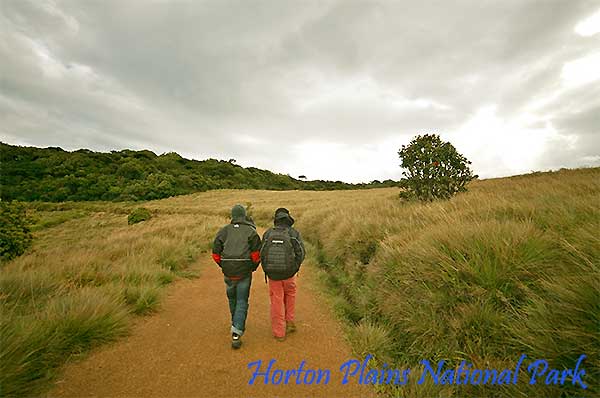
Horton Plains National Park is one of Sri Lanka’s most iconic natural wonders. Located approximately 2,100 meters above sea level, it is the country’s highest plateau, spanning approximately 10,000 hectares, and a haven for biodiversity. It is home to 24 species of mammals, including elk, deer, giant squirrels, wild boars, wild hares, porcupines, and leopards.
The park is home to a diverse array of endemic flora and fauna, making it a hotspot for ecotourism. Whether you’re trekking to the famous World’s End, marveling at the beauty of Baker’s Falls, or simply soaking in the tranquil atmosphere, Horton Plains promises an unforgettable experience.
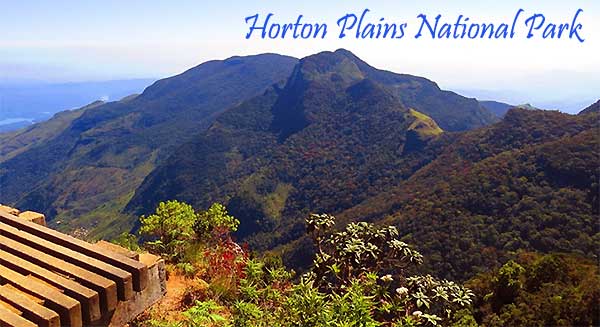
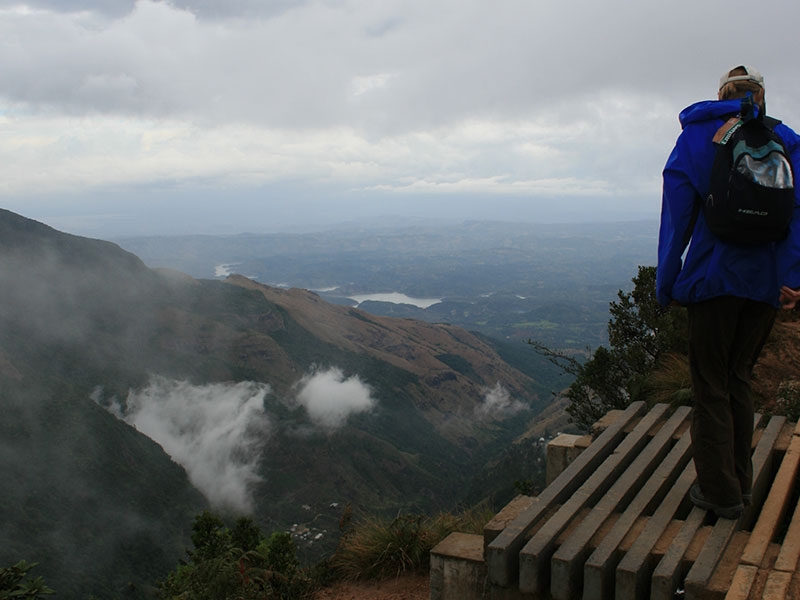
An impressive physical feature in Horton Plains is the escarpment that falls 880 meters to the lowlands of the southern region of the island, called “World’s End”.
Top Attractions in Horton Plains National Park
1. World’s End
One of the most iconic spots in the park, World’s End, is a dramatic 870-meter drop that offers panoramic views of the lush landscape below. On a clear day, you can see all the way to the Indian Ocean!
2. Mini World’s End
A less steep but equally stunning cliff, Mini World’s End, offers picturesque views and serves as a great stop before heading to the main viewpoint.
3. Baker’s Falls
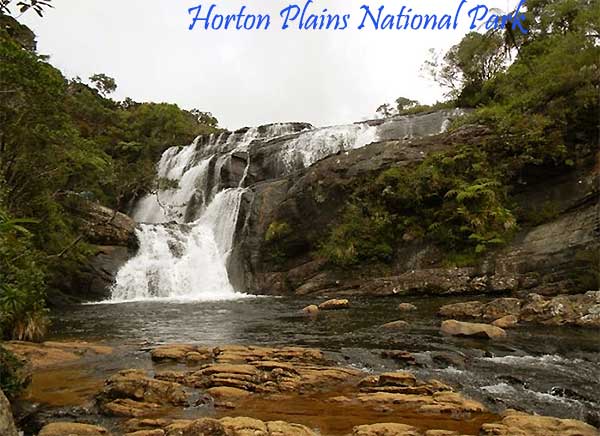
A mesmerizing waterfall named after British explorer Samuel Baker, Baker’s Falls is a must-visit. The falls are surrounded by dense greenery, offering an excellent photo opportunity.
4. Wildlife and Biodiversity
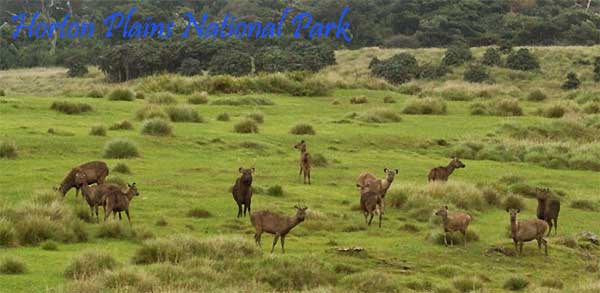
Horton Plains is home to several endemic species, including the Sri Lankan sambar deer, the purple-faced langur, and many rare bird species. Birdwatchers can spot species like the Sri Lankan blue magpie and the Sri Lankan whistling thrush.
5. Flora and Fauna
Horton Plains is a biodiversity hotspot, home to several endemic species. Keep an eye out for sambar deer, purple-faced langurs, and a variety of bird species, including the Sri Lanka whistling thrush and the yellow-eared bulbul. The park’s unique montane vegetation, including cloud forests and grasslands, adds to its charm.
6. Chimney Pool
This natural pool is a hidden gem within the park. Surrounded by moss-covered rocks and dense forest, it’s a tranquil spot to take a break and enjoy the serene ambiance.
Best Time to Visit Horton Plains National Park
The best time to visit Horton Plains is during the dry season, from December to March, when the weather is pleasant, and the skies are clear. Early mornings are ideal for visiting World’s End, as the mist tends to roll in later in the day, obscuring the views. The park is open from 6:00 AM to 6:00 PM, so please plan your visit accordingly.
In the morning, when the sky is clearest, you can enjoy the best of the views. In the afternoons, clouds tend to descend, and the area becomes submerged in mist.
Horton Plains, or ‘Mahaeliya’ as it is traditionally named, is a popular weekend destination amongst locals. Therefore, we recommend visiting the park on a weekday when it is less crowded and more peaceful.
Location of Horton Plains
Horton Plains is situated on the southern ridge of the central highlands, spanning the area between Nuwara Eliya and Haputale. The tourists approaching Horton Plains from Nuwara Eliya find an entrance point at Pattipola, while those coming from Haputale find an entrance point at Ohiya. A three-kilometer drive from either entrance leads to the newly built visitors’ center.
How to Reach Horton Plains National Park
Horton Plains National Park is located approximately 32 km from Nuwara Eliya and 8 km from Ohiya. The most convenient way to reach the park is:
- By Train: The scenic train ride from Colombo to Ohiya is a traveler’s favorite, offering breathtaking views of the landscape. From Ohiya, you can hire a tuk-tuk or taxi to reach the entrance.
- By Car: If you’re traveling from Nuwara Eliya, a 1.5-hour drive via Ambewela will take you to the park.
- By Bus: Public buses operate to Pattipola or Ohiya, but you may need to arrange a private vehicle for the last leg of the journey.
Entrance Fees & Opening Hours
- Entrance Fee: Approximately $15 per person for foreign visitors (varies for locals and SAARC nationals).
- Opening Hours: 6:00 AM – 4:00 PM (It’s best to enter early to catch the best views and avoid the midday mist.)
Tips for Visiting Horton Plains National Park
- Start Early: Arrive at the park by 6 AM to avoid crowds and enjoy clear views at World’s End.
- Dress Appropriately: The weather can be chilly, especially in the early morning, so wear warm clothing and comfortable hiking shoes.
- Carry Essentials: Bring water, snacks, sunscreen, and a raincoat, as the weather can be unpredictable.
- Respect Nature: Avoid littering and stay on marked trails to protect the park’s fragile ecosystem.
- Hire a Guide: Although not mandatory, hiring a local guide can significantly enhance your experience by providing valuable insights into the park’s history and wildlife.
How Horton Plains Really Feels: What First-Time Visitors Don’t Expect
Most travel guides describe Horton Plains as “beautiful” or “misty,” but they rarely explain the experience itself.
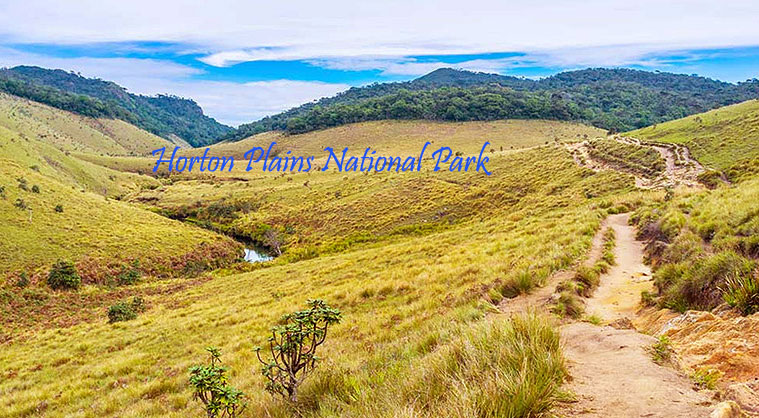
At sunrise, Horton Plains feels quiet in a way that is unusual for Sri Lanka. There are no temple bells, traffic horns, or vendors calling out. Instead, you hear wind moving through dwarf bamboo grass, distant bird calls, and the crunch of frost-cold gravel under your shoes. For many foreign travelers, this silence is one of the park’s most memorable features.
The air here is noticeably thinner and colder than in Nuwara Eliya. Even confident hikers often walk more slowly—not because the trail is difficult, but because the altitude subtly affects breathing. This slower pace actually enhances the experience, allowing time to notice small details like dew sparkling on grass blades or sambar deer emerging from the mist.
Unlike tropical rainforests, Horton Plains feels open and expansive, more like a highland savanna than a jungle. This contrast surprises many visitors and makes the park feel emotionally different from other Sri Lankan national parks.
A Smarter Way to Walk the Trail (Without Fighting the Crowds)
Most visitors unknowingly follow the same walking pattern, which causes congestion near World’s End. A simple change in strategy can dramatically improve your visit.
Recommended walking order for first-time visitors:
- Walk directly toward World’s End first
- Continue onward to Mini World’s End
- Proceed to Baker’s Falls
- Complete the loop through forest sections last
Why this works:
- World’s End is clearest before 9:00 AM; clouds usually roll in later
- Many tour groups stop repeatedly before reaching the viewpoint, creating delays
- Forest sections remain atmospheric even after mist develops
By prioritizing viewpoints early and waterfalls later, you experience Horton Plains in its best visual sequence, rather than rushing or backtracking.
Photography Tips That Actually Matter at Horton Plains
Horton Plains is deceptively difficult to photograph well. The most common mistake is shooting wide landscapes only.
What works better:
- Use mid-range focal lengths (35–70mm) to layer grasslands, fog, and distant ridges
- Photograph side-lit scenes, not front-lit ones — early sunlight from the east adds depth
- Capture people at scale near cliffs and grasslands to convey the park’s vastness
Condensation forms quickly in the morning. Keeping your camera inside a zipped bag until you start walking helps reduce lens fogging.
Drone photography is generally discouraged due to wildlife disturbance and park regulations—many visitors are unaware of this until entry.
Wildlife Sightings: What You’re Most Likely to See (and When)
While leopards exist here, Horton Plains is not a big-game safari park. Visitors who adjust expectations enjoy it far more.
Most commonly seen animals:
- Sambar deer – often grazing openly near trails
- Highland birds – especially early morning along forest edges
- Small mammals like hares and giant squirrels
Wildlife activity is highest between 6:30 AM and 8:30 AM, particularly where grassland meets forest. Standing quietly for a few minutes often reveals more animals than walking continuously.
This park rewards patience, not speed.
Food, Facilities & What You Should Bring (Beyond the Obvious)
There are no food stalls inside the park, and nearby towns have limited early-morning options.
Bring:
- A light snack (energy bar or fruit)
- At least 1–1.5 liters of water per person
- A compact windproof jacket (wind matters more than rain here)
Restrooms are available at the visitor center only. Once you start the trail, facilities are minimal, so plan accordingly.
A Quiet Conservation Reality Many Visitors Miss
Horton Plains is one of Sri Lanka’s most environmentally sensitive landscapes. Trampling off trails damages grasslands that take decades to recover in high-altitude conditions.
What responsible travelers can do:
- Stay strictly on marked paths, even for photos
- Avoid feeding deer (it alters their natural behavior)
- Carry out everything you carry in, including fruit peels
These small actions help preserve a place that already faces pressure from climate change and mass tourism.
Who Will Love Horton Plains Most (and Who Might Not)
Ideal for:
- Nature-focused travelers
- Photographers
- Hikers who enjoy quiet landscapes
- Visitors seeking a non-tropical side of Sri Lanka
Less suitable for:
- Travelers expecting classic jungle safaris
- Those with limited tolerance for cold mornings
- Visitors short on time who want “quick highlights.”
Understanding this beforehand prevents disappointment and helps travelers choose experiences that truly match their interests.
FAQ
1. Why is Horton Plains National Park famous?
Horton Plains is renowned for its dramatic viewpoints, such as World’s End, its rich biodiversity, rare endemic wildlife, and stunning landscapes of grasslands and cloud forests.
2. What is the best time to visit Horton Plains?
The ideal time is from December to March, during the dry season, when skies are clearer. Early mornings are best for visiting World’s End before the mist sets in.
3. How long is the hike in Horton Plains National Park?
The popular World’s End trail is about 9 km long and usually takes 3–4 hours to complete at a relaxed pace.
4. How do I get to Horton Plains National Park?
You can reach the park via Pattipola or Ohiya entrances. Visitors often travel by train to Ohiya or by car from Nuwara Eliya (about 1.5 hours).
5. What animals can be seen in Horton Plains?
The park is home to sambar deer, leopards, purple-faced langurs, wild boars, and many endemic birds, making it a paradise for wildlife lovers.
6. What are the entrance fees for Horton Plains?
Foreign adult visitors pay around USD 15. Entry fees for locals and SAARC nationals are lower. Prices may vary, so check before your visit.
7. How high is Horton Plains above sea level?
Horton Plains is located at an elevation of about 2,100 meters (6,900 feet), making it Sri Lanka’s highest plateau.
8. Is Horton Plains physically demanding for average travelers?
The trail itself is not technically difficult, but the altitude and cold morning temperatures can surprise visitors. Many travelers feel slightly breathless or slower than usual, especially in the first hour. Walking at a relaxed pace, staying hydrated, and wearing warm layers make the hike comfortable for most people with basic fitness.
9. What’s the biggest mistake first-time visitors make at Horton Plains?
Trying to do everything too quickly. Many visitors rush to World’s End, take photos, and leave without allowing time to absorb the grasslands, forest sections, and quiet moments in between. Horton Plains rewards slower walking and fewer stops, not a checklist-style visit.
10. Is Horton Plains enjoyable if the views are covered by mist?
Yes – if you adjust expectations. While cliff views may disappear, mist transforms the park into a moody, almost surreal landscape. Forest paths feel more atmospheric, wildlife becomes quieter but closer, and the experience feels more intimate. Some repeat visitors intentionally return on misty days for this reason alone.
Final Thoughts: Why Horton Plains Leaves a Lasting Impression
Horton Plains National Park is not a place that overwhelms you with constant action or dramatic moments. Instead, it stays with you quietly.
What makes this landscape special is its stillness – the way the grasslands open up under a pale morning sky, the sudden silence when mist rolls across the plateau, and the feeling of standing at the edge of the island where land seems to fall away into clouds. These are experiences that can’t be rushed or staged.
For many foreign travelers, Horton Plains becomes a pause in the journey — a place where Sri Lanka feels unexpectedly vast, cool, and contemplative. It’s not about ticking off viewpoints or spotting rare animals; it’s about slowing down enough to notice how different this high-altitude world feels from the rest of the island.
If you visit with realistic expectations, patience, and respect for the environment, Horton Plains offers something rare: a chance to experience Sri Lanka in near silence, shaped by wind, mist, and time rather than crowds or schedules.
If you’ve visited Horton Plains National Park in Nuwara Eliya, please share your experience in the comments below!
By Tour My Lanka Editorial Team
– promoting sustainable and authentic travel across Sri Lanka.
Last Updated: January 2026
Images in this article are for illustration purposes and sourced from royalty-free platforms such as Pixabay and Unsplash.
Disclaimer: Ticket prices, opening hours, and transportation costs mentioned in this article may change due to seasonal or administrative updates. Please confirm with the relevant authorities before visiting.