
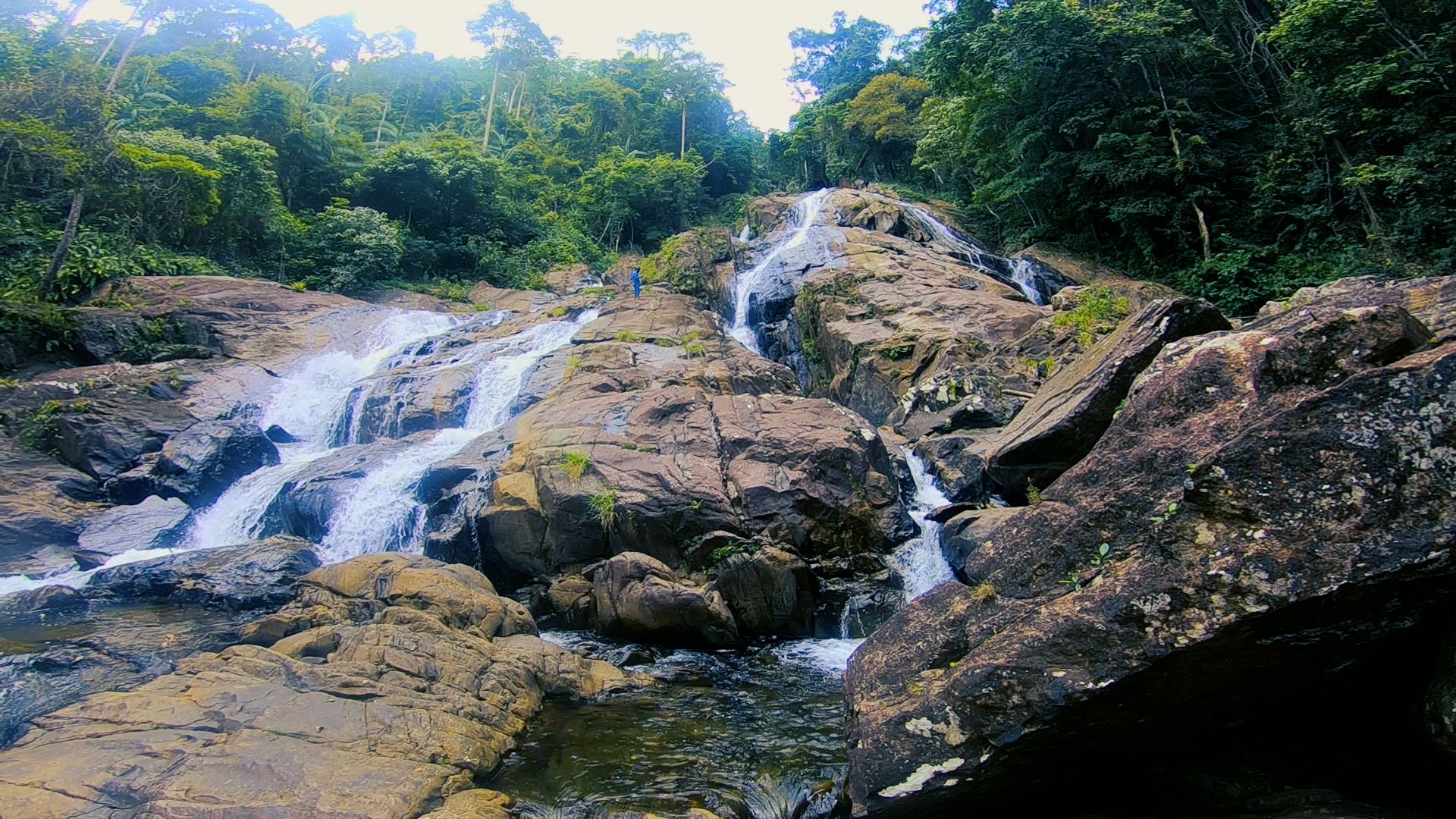
Introduction to Deniyaya
Deniyaya is a small town in the Matara District of Sri Lanka’s Southern Province, located at the edge of the Sinharaja rainforest belt. While it is often described as cool and scenic, what truly defines Deniyaya is how strongly daily life here is shaped by weather, forest conditions, and elevation.
Travel plans in Deniyaya rarely unfold exactly as expected – mist, rain, and narrow estate roads quietly dictate the pace. For travelers willing to slow down and adapt, Deniyaya offers a deeper, less curated experience of Sri Lanka’s hill-country edge.
Why Visit Deniyaya?
Deniyaya is best suited for travelers who value quiet landscapes, forest-edge environments, and unstructured exploration. It is not a resort town or a nightlife destination – instead, it offers slow mornings, mist-covered estate roads, and access to some of the least disturbed rainforest surroundings in the south.
Visitors come to this area for waterfalls hidden beyond main roads, village-based homestays, and proximity to Sinharaja without heavy crowds. Those expecting cafés, shopping streets, or tightly scheduled tours may find Deniyaya challenging – but for many, that simplicity is exactly its appeal.
Best Time to Visit Deniyaya
It can be visited year-round, but weather plays a major role in shaping daily plans. From December to April, rainfall is generally lower, making forest walks and waterfall visits more predictable.
During the monsoon months, the landscape becomes intensely green, but fog, damp conditions, and sudden showers are common. Clothes take longer to dry, trails become slippery, and outdoor activities are best planned for early mornings when visibility is clearer.
Places to Visit in Deniyaya
Deniyaya has more natural attractions than most visitors can realistically see in one trip. Locals rarely try to visit multiple sites in a single day, as weather, walking distances, and road conditions often change plans. Rather than treating the following places as a checklist, it’s better to select a few based on current conditions and advice from your accommodation host.
1. Olu Dola
 Olu Dola is not a prominent place. But it is a wonderful place. It’s a great place to bathe. You have to go here on a vine bridge. The journey to Olu Dola will be unforgettable.
2. Elamaldeniya Rajamaha Viharaya
To visit the Elamaldeniya Temple, you need to change the road at Pitabeddara and travel further on Siyambalagoda Road. When you turn off at Paragasthenna Junction, you will find the Elamaldeniya Temple. It is said that this temple is a Rajamaha Vihara built during the reign of King Walagamba. This temple was dedicated to the god Rajjuru Bandara.
The temple has a series of long steps visible from the top. You need to take care of the leeches hanging on the leg.
3. Gatabaruwa Raja Maha Viharaya
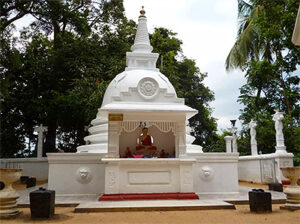
The “Gatabaruwa Rajamaha Viharaya” and the temple of god “Rajjuru Bandara” are located on the Gatabaru Hill on the Galle – Deniyaya road at the village called Kotapola.
Gatabaru Rajamaha Viharaya was constructed during the reign of King Wattagamini Abhaya and houses a large recumbent statue of the Buddha. Value of Gatabaru Rajamaha Viharaya is also popular for its annual Esala Perahera, which is known as the largest Perahera (procession) in the Matara District.
4. Patna Sliding Rock
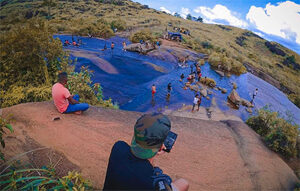
Located in the middle of the Enasalwatta Estate in the Pallegama area of Deniyaya. It is a natural place for water sports. This is a lovely place for the whole family to enjoy excellent water fun.
Patna also has an excellent location. There is a large rock with a small stream of water flowing over it. The water can make the rock slippery, and it might slide down, like slipping into a seesaw and coming down. It is a unique place you should visit in your lifetime.
5. Sinharaja Rain Forest
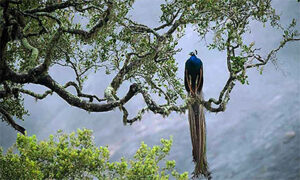
Sinharaja Forest is a UNESCO World Heritage Site. You can enter the Sinharaja Forest from Weddagala, Lankagama, Deniyaya, or Rakwana entrances. Sinharaja is home to the majority of Sri Lanka’s endemic animal species.
One of the main entrances to the Sinharaja Forest is located in the Pallegama area of Deniyaya. You don’t need to say anything strange about Sinharaja. The Sinharaja Forest, a tropical rainforest, is a marvelous creation of nature, boasting numerous waterfalls, diverse wildlife, and a wealth of plants hidden within its lush landscape.
There are several quality accommodation facilities available to cater to visitors to Deniyaya. If you visit Sinharaja, you can also stay inside the lodge.
Additionally, once you enter Sinharaja, your phone’s signal is completely lost. If you plan to visit Sinharaja, please let your relatives know.
6. Morningside Deniyaya
Morningside Deniyaya is situated near Suriyakanda, between Deniyaya and Rakwana, to the east of the Sinharaja Forest. It is an astonishing place where you can feel nature very closely.
Between Rakwana and Deniyaya lies Suriyakanda, a tiny, peaceful town with virtually no tourists. Morningside is about 7 km from the city of Suriyakanda.
‘Morningside’ was so named because it feels like it is morning all day long.
Here, day and night seem to blend, the air is filled with the scent of cardamom, and rare birds serenade your senses. Morningside truly lives up to its name.
Waterfalls around Deniyaya
1. Kurulu Ella Sinharaja
The beautiful, calm, and clean waterfall is rarely visited.
2. Bambaragala Estate Waterfall

This is a private waterfall owned by the Bambaragala Estate. You can visit this waterfall only if you book the Bambaragala Estate Bungalow. It is only a 10-minute walk from the bungalow to the waterfall.
3. Sathmale Ella – Seven-Story Waterfall
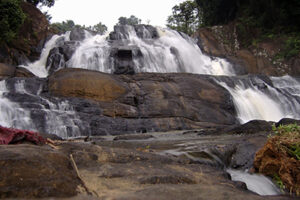
Sathmale Falls is situated in a beautiful and unique landscape, just a short distance from Deniyaya town and the Pallegama sub-town. It is a must-see waterfall. A safe path with steps has been constructed to facilitate easy, secure access to the site. You will surely be mesmerized by watching this.
A waterfall is a place where water usually rises and falls, but the water in this waterfall falls in layers. It is also known as Hathmale Falls, which features seven tiers—a beautiful place to visit and explore. Swimming here is not advised due to the strong current — but it’s a breathtaking spot for photography and relaxation.
4. Athamala Falls
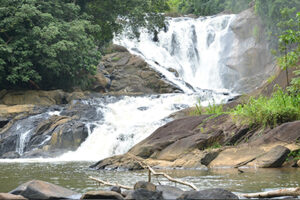
The Athamala Fall is found on the Deniyaya Road, a short distance down the road to the right near the Nil Ella Estate, which is found while passing Pitabeddara. It is a beautiful waterfall that is not very tall.
5. Biso Ella Waterfall
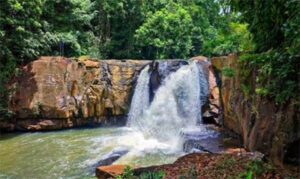
The access road is okay. It is challenging to reach the bottom of the waterfall, and the journey is quite tricky.
6. Sari Ella Waterfall
Distance from Deniyaya: 16 km
Ulliduwawa area
This waterfall is called Sari Ella. The water flows in two levels of this waterfall. Both levels are stunning. To visit the upper waterfall, you can walk through the forest on the left side. If you see this waterfall, you will think for a moment that you are dreaming of another world.
7. Rajaa Watuna Ella Waterfall
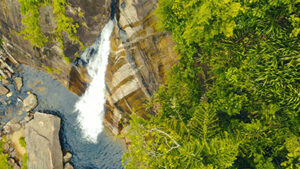
Distance from Deniyaya: 9.3 km
Beverly area
Rajaa Watunu Ella is one of the most beautiful waterfalls in the area, boasting a strong stream.
8. Pusma Ella Waterfall
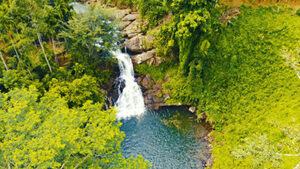
Distance from Deniyaya: 8 km
Higurahena Village
Pusma Ella waterfall is located in Higurahena village, about 10 Km from Deniyaya. This waterfall is tall, and the water capacity is also significant. Take the help of a tour guide while visiting this waterfall. To see the complete form of this waterfall, you have to walk down a cliff.
Several waterfalls in the Deniyaya region may appear similar on maps, but feel very different in person depending on access, water flow, and recent weather. Locals typically choose waterfalls based on current conditions rather than distance alone.
9. Yodha Ella Waterfall
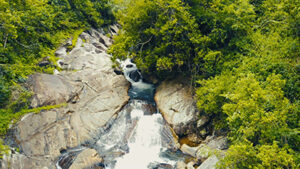
Distance from Deniyaya: 9 km
Higuragena village
Yodha Ella Waterfall is located in Higuragena, approximately 8km away from Deniyaya. This is not a traditional waterfall. Yodha Ella Waterfall is a waterfall hidden by a large rock. You feel as though you have entered another world, and for a moment, you can forget yourself.
10. Uguduwa Ella Waterfall
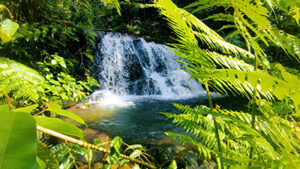
Distance from Deniyaya: 8 km
Higuragena village
This place is located in Higuragena village, approximately 8 km from Deniyaya. If you travel to this place, you can see three waterfalls. However, this waterfall is best visited with a local guide, who can safely lead you through forest trails..
11. Kekuna Ella Waterfall
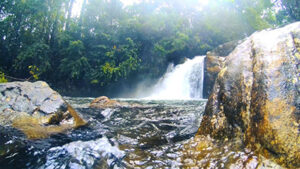
Distance from Deniyaya:13 km
Kekuna Ella Waterfall is in the Sinharaja Rainforest. There is a large stream of water with a lot of cool, and it is a favorite waterfall for many tourists.
12. Malmora Ella Waterfall
Distance from Deniyaya:13 km
Malmora Ella Waterfall is located in the Sinharaja rainforest. To find this waterfall, you have to enter from the Sinharaja Pitadeniya gate and do an exploratory walk for about 5 km. You will have an authentic rainforest experience during this trip. You need to find an experienced tour guide to explore this waterfall.
13. Pathanoya Ella Waterfall
Distance from Deniyaya:13km
Pathanoya Ella Waterfall is located in the Sinharaja rainforest. To find this waterfall, you have to enter from the Sinharaja Pitadeniya gate and do an exploratory walk for about 2.5 km. Many tourists love this waterfall. Some tourists go to this waterfall for fish therapy, so they spend a lot of time in this place.
14. Brahakmana Ella Waterfall
This is also a beautiful waterfall with a very clean stream. You may need to buy a ticket to visit the place.
Important Safety Notes for Exploring Deniyaya
Many waterfalls and forest paths around Deniyaya are affected by rainfall, even outside the monsoon season. Water levels can rise suddenly, rocks become slippery, and informal trails may change overnight.
For lesser-known waterfalls and forest routes, local guides are strongly recommended — not as a formality, but because they track daily conditions and safe access points. Swimming is not advised at waterfalls with strong currents or layered drops, especially after rain.
MOUNTAINS
1. Dothalu Gala Rock
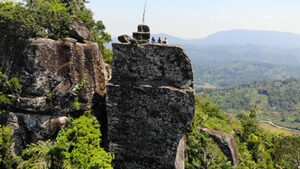
Thalapalakanda Village
It is another fantastic place in this area, known as Dothalu Gala (meaning “dothalu rock”). This place is located in the village of Thalapalakanda, approximately 8 km from Deniyaya. It is truly amazing; the top of this rock is a great place to take in the surroundings.
2. Gongala Mountain
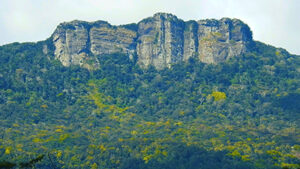
Gongala Mountain, located opposite the small Kandy Light in the south, is a beautiful mountain range found on the Deniyaya-Rakwana road, situated on the border between the southern and Sabaragamuwa provinces.
It is the 15th-highest mountain in Sri Lanka, at approximately 4,455 feet.
This cold, fog-frozen hill area is still protected by nature, as there is little eye contact with local tourists. However, many local tourists are now crossing this Mountain because of its beauty.
How to Get to Deniyaya
Deniyaya is easily accessible from Colombo and other major cities in Sri Lanka. You can reach the town by:
- Bus: Regular buses run from Colombo, Galle, and Matara.
- Train & Bus: Take a train to Matara and then a bus to Deniyaya.
- Private Vehicle: A road trip from Colombo via the Southern Expressway takes around 3.5 hours.
- From Colombo, Deniyaya is approximately 160 km away. You may take a bus or hire a private vehicle. The journey takes around 4-5 hours.
- From Galle: If you’re coming from Galle, the distance is about 80 km, and the drive takes around 2-3 hours.
Accommodation in Deniyaya
Accommodation is mostly small-scale and nature-oriented, ranging from family-run guesthouses to eco-lodges and estate bungalows. Comfort levels vary, but many stays prioritize location and surroundings over luxury amenities.
Travelers sensitive to humidity may prefer higher-elevation accommodations, while those planning early morning walks should avoid places located deep inside estate roads. Speaking directly with hosts before booking is often more helpful than relying solely on photos or reviews.
Things to Pack for Deniyaya
- Comfortable hiking shoes for treks.
- Rain jacket (recommended for visits during the monsoon season).
- Insect repellent for rainforest visits.
- A camera to capture the breathtaking landscapes.
- Swimsuit for waterfalls and natural pools.
Tips for Travelers
- Pack Light but Smart: Bring comfortable clothing, sturdy hiking shoes, and rain gear if you’re visiting during the monsoon season.
- Stay Hydrated: Carry a reusable water bottle to stay hydrated during your adventures.
- Respect Nature: Follow eco-friendly practices and avoid littering to preserve the pristine beauty of this area.
- Hire Local Guides: Supporting local guides not only enhances your experience but also contributes to the community.
Deniyaya Beyond the Attractions: What Daily Life Really Feels Like
Most visitors experience Deniyaya through waterfalls and forest gates, but daily life here moves to a very different rhythm.
Mornings begin early, often before sunrise. You’ll notice tea pluckers heading uphill with cloth sacks, small lorries transporting vegetables, and schoolchildren waiting quietly at roadside bus stops wrapped in sweaters despite being in the south of Sri Lanka. Fog doesn’t “roll in” dramatically – it simply exists, lifting and settling throughout the day.
Electricity cuts are rare, but mobile data slows noticeably after heavy rain. Locals don’t complain; they adjust. This slow adaptability is one of Deniyaya’s defining traits — plans here are flexible by nature, shaped by weather, forest conditions, and daylight.
For travelers, this means Deniyaya rewards patience. If you rush it, you miss it.
The Microclimate Travelers Don’t Expect (And How It Affects Your Plans)
Deniyaya’s climate is often described as “cool,” but that’s an oversimplification.
What really defines the area is humidity paired with sudden temperature drops, especially after rain. You may experience warm sunshine at noon and misty, near-cold conditions by 4:30 PM — even outside monsoon season.
Practical implications for travelers:
- Wet clothes may take two days to fully dry
- Early morning treks feel colder than expected
- Camera lenses fog quickly when moving from indoors to outdoors
- Leeches appear even outside rainforest boundaries after rain
This is why locals avoid scheduling long outdoor activities late in the afternoon — a subtle habit worth adopting.
A Local Perspective on Sinharaja from the Deniyaya Side
Many articles treat Sinharaja as a checklist destination. Locals around in this area see it differently.
For nearby villages, Sinharaja is not “a forest to visit” — it’s a boundary. It defines where farming stops, where elephants occasionally pass, and where certain sounds (like chainsaws) are socially unacceptable.
Visitors entering from the Deniyaya side often notice:
- Quieter trails compared to more commercial entrances
- Guides who grew up bordering the forest, not trained solely for tourism
- Stricter informal rules about noise and litter, even outside official zones
If you listen carefully, guides often point out birds or trees without naming them — not from lack of knowledge, but from familiarity. Naming, here, is less important than recognition.
Why Deniyaya Is Not a “Resort Destination” (And Why That’s a Good Thing)
It does not offer nightlife, shopping streets, or café culture. And that’s intentional — not accidental.
Large-scale tourism never fully entered Deniyaya because:
- Roads are narrow and weather-dependent
- Land ownership is fragmented among estates and families
- Environmental regulations around Sinharaja remain strict
For travelers seeking curated luxury, this can feel limiting. For others, it’s Deniyaya’s greatest strength.
Accommodation hosts often:
- Cook based on what was harvested that morning
- Change meal times depending on rain and electricity availability
- Offer routes and shortcuts that never appear on maps
You don’t “consume” Deniyaya. You temporarily adapt to it.
Subtle Safety Realities Most Guides Don’t Mention
Deniyaya is safe, but not in a sanitized way.
There are no lifeguards at waterfalls.
Forest paths can change after a single night of rain.
Mobile signal disappears without warning.
What experienced visitors learn quickly:
- Locals never swim under unfamiliar falls after rain
- Flip-flops are avoided near streams (not just for grip, but leeches)
- Asking “Is it safe today?” matters more than asking “Can I go?”
This knowledge isn’t dramatic — it’s practical, and it’s why hiring local guides genuinely matters here, not as a formality.
Food in Deniyaya: What You’ll Actually Eat (Not Menu Descriptions)
Forget restaurant menus. Food in Deniyaya is ingredient-driven, not recipe-driven.
Common meals include:
- Red rice with forest greens you won’t recognize by name
- Jackfruit cooked three different ways in one meal
- Freshwater fish from nearby streams, cooked simply
- Herbal porridges served without explanation, just tradition
Spice levels adjust quietly based on who’s eating. Hosts often watch your reaction before serving a second helping.
For travelers, this is one of the most authentic food experiences in Sri Lanka — not because it’s exotic, but because it’s unperformed.
Mistakes First-Time Visitors Commonly Make in Deniyaya
Even seasoned travelers slip up here.
Common mistakes include:
- Planning too many waterfalls in one day
- Underestimating walking distances on estate roads
- Ignoring early sunset times due to cloud cover
- Assuming Google Maps reflects real trail conditions
- Visiting only as a Sinharaja stopover
Deniyaya is best experienced slowly, ideally over two or three nights.
Who Deniyaya Is Not For
Being honest improves trust.
Deniyaya may not be suitable if you:
- Need luxury amenities or nightlife
- Dislike insects, humidity, or unpredictable weather
- Prefer structured itineraries with fixed schedules
- Expect tourist infrastructure at natural sites
But if you value raw landscapes, local knowledge, and unfiltered nature – Deniyaya delivers quietly, without selling itself.
A Slow, Deniyaya Itinerary
These itineraries assume:
- You’re staying in or near Deniyaya town or Pallegama
- You value rest, flexibility, and local interaction
- Weather may change plans (and that’s okay)
2-Day Deniyaya Slow Travel Itinerary
(For travelers with limited time but no rush mindset)
Day 1: Arrival, Orientation & One Waterfall
Morning / Midday
- Arrive in Deniyaya by late morning or early afternoon
- Check in and do nothing for an hour — this helps adjust to the climate
- Talk to your host before making plans; they’ll advise based on weather
Afternoon
- Visit Patna Sliding Rock or another nearby, easy-access waterfall
- Avoid swimming if rain has fallen earlier in the day
- Walk slowly along estate roads nearby — no destination required
Evening
- Early dinner (most places eat before 7:30 PM)
- Expect mist, cooler temperatures, and early quiet
- Listen more than you scroll — signal may be weak anyway
Why this works:
You experience Deniyaya’s rhythm without exhaustion or overplanning.
Day 2: Forest Edge & Departure
Early Morning
- Short walk near the forest boundary or estate area
- Fog usually lifts between 7:30–9:00 AM — a calm, photogenic window
Late Morning
- Visit Sathmale Ella or a similar structured site
- Avoid entering deeper forest paths unless weather is stable
Lunch & Departure
- Eat locally, pack early, and leave before late afternoon rain
- Expect to feel like you stayed longer than you did
3-Day Deniyaya Slow Travel Itinerary
(Best option for first-time visitors)
Day 1: Settle Into Deniyaya
- Arrive before noon if possible
- Light walk through town and nearby estates
- One short waterfall visit only
- Evening spent resting, eating locally, and adjusting
Tip: Ask your host which areas were affected by rain the previous night.
Day 2: Deeper Nature, Flexible Plans
Morning
- Early start (6:30–7:00 AM)
- Visit Sathmale Ella or Rajaa Watuna Ella with a local guide
- Spend time observing, not rushing
Midday
- Return to accommodation for rest
- Heavy activity between 11:30 AM–2:30 PM is rarely enjoyable here
Afternoon
- Estate road walk, village visit, or tea with locals
- Skip major plans if clouds build — Deniyaya rewards restraint
Day 3: Choose One Signature Experience
Depending on conditions, choose one:
- Guided forest-edge walk near Sinharaja
- Visit to Dothalu Gala Rock (only in clear weather)
- A lesser-known waterfall with a guide
- Morningside drive if staying longer nearby
End with a slow lunch and late departure.
Deniyaya vs Ella vs Nuwara Eliya: Which Hill Destination Is Right for You?
Sri Lanka’s hill destinations often get grouped together, but Deniyaya, Ella, and Nuwara Eliya offer very different experiences, even though all three are green, cool, and scenic.
This comparison is not about “which is best,” but which fits your travel style.
Overall Feel & Atmosphere
Deniyaya
Quiet, forest-bordered, and lived-in. Deniyaya feels like a working landscape rather than a tourist destination. There’s no town buzz, no nightlife, and very little performance for visitors. Days are shaped by rain, mist, and local routines.
Ella
Social, scenic, and traveler-friendly. Ella is designed around tourism — cafés, viewpoints, hikes, and transport are all easy. You’ll meet other travelers constantly, which many people enjoy.
Nuwara Eliya
Structured, cooler, and colonial in character. Nuwara Eliya feels more formal, with parks, gardens, golf courses, and a clear town center. It’s less about wilderness and more about curated landscapes.
Nature Experience: Raw vs Curated
Deniyaya
- Forest-edge, untamed, and unpredictable
- Waterfalls often lack ticket counters or signage
- Weather determines access and visibility
- Best for travelers who enjoy nature without infrastructure
Ella
- Nature is dramatic but managed
- Viewpoints, trails, and waterfalls are well-marked
- Crowds are common, especially at sunrise and sunset
Nuwara Eliya
- Nature is manicured and accessible
- Parks, gardens, and lakes dominate
- Wild forest experiences are limited unless traveling outward
Crowd Levels (Even in Peak Season)
- Deniyaya: Very low — even during holidays
- Ella: High — especially at famous viewpoints
- Nuwara Eliya: Moderate to high, especially during April season
If solitude matters to you, Deniyaya stands apart.
Accommodation Style
Deniyaya
- Eco-lodges, homestays, estate bungalows
- Hosts are often locals, not hospitality professionals
- Comfort varies, authenticity is high
Ella
- Wide range: hostels, boutique hotels, luxury stays
- Easy online booking
- Strong café and restaurant scene
Nuwara Eliya
- Heritage hotels, guesthouses, family-friendly options
- More standardized service
- Higher prices during peak season
Food Experience
Deniyaya
- Home-style, ingredient-driven meals
- Limited restaurant choice
- Food is often adjusted quietly for guests
Ella
- International options, cafés, Western food widely available
- Great for variety, less for authenticity
Nuwara Eliya
- Mix of local rice & curry and colonial-inspired dishes
- Bakeries and markets are highlights
Getting Around
Deniyaya
- Requires planning and flexibility
- Public transport exists but is slow
- Local guides and hosts are key
Ella
- Very easy to navigate
- Train station in town
- Tuk-tuks and walking cover most needs
Nuwara Eliya
- Well connected by road
- Town transport is straightforward
- Easy for families and older travelers
Best For Different Types of Travelers
Choose Deniyaya if you:
- Want quiet, slow travel
- Prefer forests over viewpoints
- Are comfortable without nightlife or cafés
- Value authenticity over convenience
Choose Ella if you:
- Enjoy meeting other travelers
- Want scenic hikes and viewpoints
- Prefer easy transport and dining options
- Have limited time but want “wow” landscapes
Choose Nuwara Eliya if you:
- Like cool weather and organized attractions
- Are traveling with family or elderly companions
- Enjoy gardens, parks, and town walks
- Prefer comfort and structure
A Simple Decision Guide
If your priority is:
- Silence & raw nature → Deniyaya
- Social energy & scenery → Ella
- Comfort & cool-climate charm → Nuwara Eliya
An Honest Closing Perspective
Many travelers regret choosing the wrong hill destination — not because the place was bad, but because it didn’t match their expectations.
Deniyaya doesn’t compete with Ella or Nuwara Eliya.
It offers something else entirely: space, stillness, and a slower way of experiencing Sri Lanka’s highland edge.
Choosing correctly makes all the difference.
FAQ
-
Is Deniyaya worth visiting if I’m not trekking Sinharaja?
Yes — but only if you’re comfortable slowing down. Deniyaya works best for travelers who enjoy quiet landscapes, village roads, and short walks rather than full-day jungle hikes. Waterfalls, misty viewpoints, and estate roads offer plenty to explore without entering the rainforest itself.
2. How many days do you actually need in Deniyaya?
Two nights is the minimum to feel Deniyaya rather than just pass through. One night usually turns the experience into a checklist of waterfalls. Three nights allow time for weather changes, rest periods, and spontaneous local recommendations — which is how Deniyaya reveals its best side.
3. Can I visit Deniyaya without hiring a guide?
Yes, but selectively. Town areas and roadside waterfalls are accessible independently. However, forest trails, lesser-known waterfalls, and Sinharaja entry routes are best explored with a local guide, especially after rain when paths can change overnight.
4. Is Deniyaya safe for solo travelers?
It is generally safe and welcoming, including for solo travelers. The main challenges are environmental rather than social — slippery paths, leeches, and limited phone signal. Informing your accommodation host about your plans is more important here than locking doors.
5. What surprises travelers most about Deniyaya?
The silence. Many expect jungle sounds and dramatic scenery, but Deniyaya’s defining feature is calm — long stretches with only wind, water, and distant birds. It’s peaceful, but can feel unfamiliar if you’re used to busy destinations.
6. Is Deniyaya suitable for families with children?
Yes, with planning. Estate walks, gentle waterfalls like Patna Sliding Rock, and village stays work well for families. However, steep hikes, strong currents, and leech-prone areas may not suit very young children.
7. Do I need cash in Deniyaya?
Yes. ATMs are limited, and many guesthouses, guides, and small eateries operate on cash only. Card payments are rare outside a few hotels.
8. What’s the biggest mistake first-time visitors make?
Trying to see too much in one day. It is shaped by weather and terrain — plans change easily. Leaving open time often leads to better experiences than rigid itineraries.
9. Does Deniyaya feel touristy?
No. Even in peak season, It feels lived-in rather than curated. You’ll notice more estate workers than tourists, and most attractions don’t have ticket counters or souvenir stalls.
Final Thoughts
Deniyaya is a destination that truly captures the essence of Sri Lanka’s natural beauty and cultural heritage. Whether you’re trekking through the Sinharaja Rainforest, marveling at cascading waterfalls, or sipping tea amidst rolling hills, Deniyaya promises an unforgettable experience. So, pack your bags and get ready to explore this hidden gem in Sri Lanka’s rainforest paradise!
If you’ve visited Deniyaya, please share your experience in the comments below!
By Tour My Lanka Editorial Team
– promoting sustainable and authentic travel across Sri Lanka.
Last Updated: January 2026
This guide is based on repeated visits to Deniyaya across different seasons, combined with insights from local hosts, estate workers, and forest guides.
Images in this article are for illustration purposes and sourced from royalty-free platforms such as Pixabay and Unsplash.
Disclaimer: Ticket prices, opening hours, and transportation costs mentioned in this article may change due to seasonal or administrative updates. Please confirm with the relevant local authorities before visiting.