
Introduction: Dawn at Mirissa Beach, Before the World Wakes Up
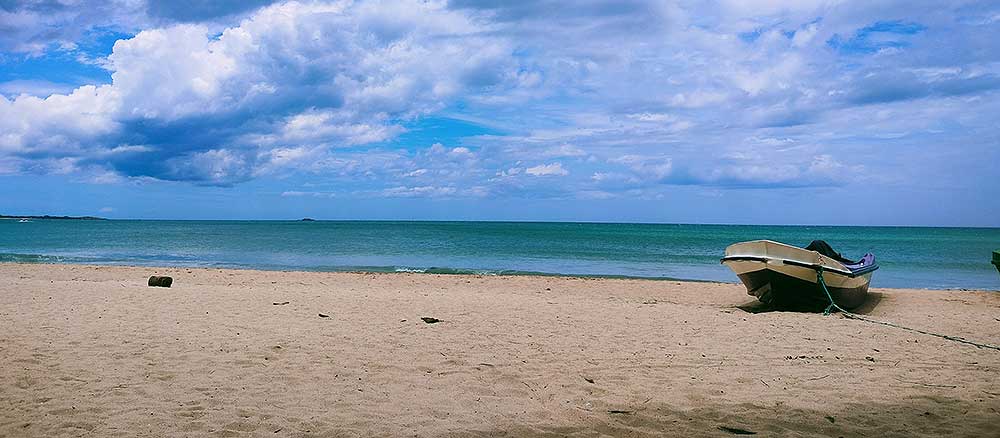
The first time I really understood Mirissa Beach wasn’t at sunset, when the sand glows gold, and everyone reaches for their cameras. It was much earlier—just after 5.30 a.m.—when the beach still belonged to fishermen, stray dogs, and a handful of sleepless travelers nursing cups of plain tea.
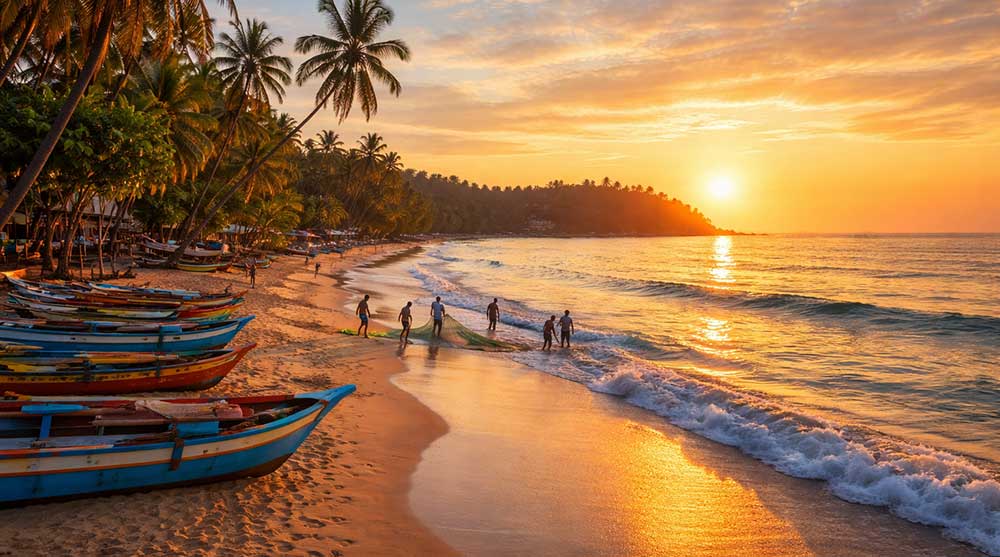
I was sitting on a low rock near the eastern end of Mirissa Beach, watching a group of local men haul in their nets by hand. No engines, no shouting—just rhythm, laughter, and the sound of the Indian Ocean breathing in and out. A fisherman noticed me watching and waved me over. Ten minutes later, I was helping (mostly failing) to pull a net heavy with silver fish, my feet buried in wet sand. Someone pressed a banana into my hand. Someone else asked where I was from. That’s Mirissa Beach when you meet it on its own terms.
Over the past decade, I’ve returned to Mirissa Beach more times than I can count—sometimes for whale watching, sometimes just to escape Colombo for a long weekend. I’ve eaten breakfast kottu at dawn, argued gently over fish prices at the harbor, taken monsoon buses that smelled like wet backpacks, and found quiet corners that still exist if you know where to look.
This guide isn’t about hype. It’s about how Mirissa Beach actually works—what’s magical, what’s frustrating, and how to experience it respectfully, whether you’re flying in from Europe or driving down from Colombo with your family. Trust me, Mirissa Beach rewards travelers who slow down.
Getting to Mirissa Beach: Colombo, Galle & Local Routes
Mirissa Beach sits along Sri Lanka’s southern coast, about 150 km from Colombo and 35 km from Galle. Getting here is straightforward, but the how matters more than people admit—especially during monsoon season.
From Colombo to Mirissa Beach
1. Expressway Bus (Best balance of comfort & cost)
- Route: Colombo (Makumbura or Kottawa) → Matara
- Time: 2.5–3 hours
- Cost: LKR 600–800
- From Matara, take a local bus or tuk-tuk to Mirissa (20–30 minutes)
Local tip: During heavy rain, expressway buses are far more reliable than coastal ones. I’ve lost count of how many times the old Galle Road floods near Bentota.
2. Coastal Train (Scenic but slower)
- Route: Colombo Fort → Weligama or Matara
- Time: 4–5 hours
- Cost: Very affordable
- From Weligama station, tuk-tuk to Mirissa Beach (10 minutes)
If you’re traveling with kids or luggage, trains can be crowded—avoid Friday evenings.
3. Private Car or Tuk-Tuk (Locals rediscovering Mirissa)
- Colombo → Mirissa Beach: ~3.5 hours via expressway
- Ideal for families or groups
- Budget fuel + tolls when planning a day trip
Location
Best Time to Visit Mirissa Beach (Weather, Crowds & Reality)
December to April: Peak Season
- Calm seas, ideal for swimming and Mirissa Beach whale watching
- More crowds, higher prices
- Best for first-time visitors
May to September: Monsoon Season
- Rough seas, fewer tourists
- Dramatic skies, lush greenery
- Better deals on budget stays in Mirissa Beach Sri Lanka
Honest truth: Swimming isn’t always safe during monsoon months, but this is when Mirissa feels more local. I often come in June just to walk the beach and eat well.
October & November: Shoulder Months
- Unpredictable rain
- Fewer whales
- Good compromise for quiet travel
Best Things to Do in Mirissa Beach (Beyond the Obvious)
1. Whale Watching—Do It Responsibly
Mirissa Beach is Sri Lanka’s whale watching hub, but not all operators are equal.
Local advice:
- Choose smaller boats
- Ask about distance rules
- Avoid operators who promise “guaranteed sightings”
I’ve seen blue whales here more than a dozen times—but I’ve also turned back when conditions weren’t right. That’s nature.
2. Parrot Rock at Sunrise (Not Sunset)
Most people climb Parrot Rock at sunset. Go early instead.
- Fewer people
- Cooler climb
- Fishermen below, soft light above
3. Secret Snorkeling Spots (Seasonal)
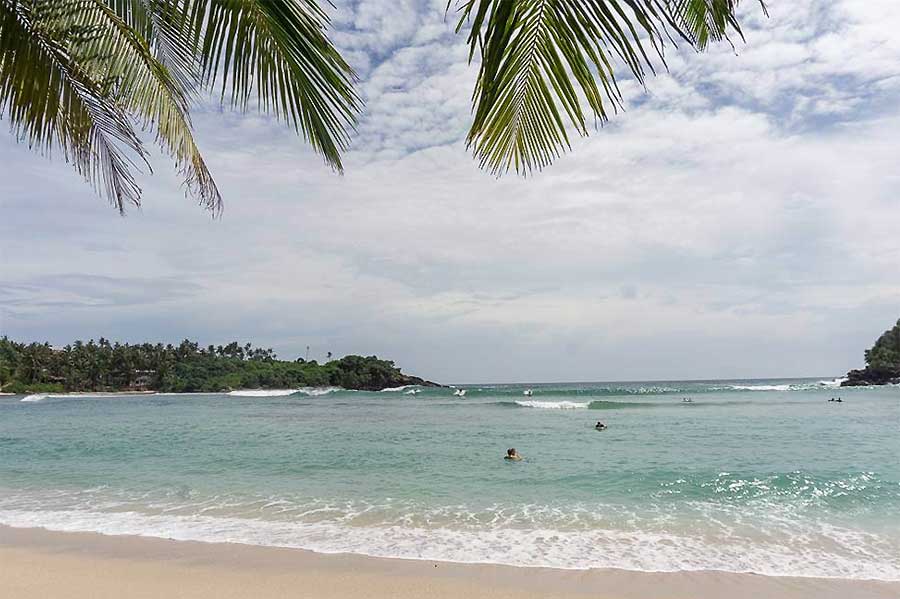
When the sea is calm (usually Jan–March), the western rocks near Mirissa Beach offer clear snorkeling. Ask locals first—conditions change fast.
4. Morning Fish Market Walk
Near Mirissa harbor, around 6 a.m.
- Watch auctions
- Learn fish names
- Practice gentle bargaining
5. Beach Cricket with Locals
Late afternoon, eastern end of the beach. Don’t be shy—just ask.
6. Yoga with Village Instructors
Small family-run yoga shalas offer quieter sessions than big studios.
7. Coconut Tree Hill (Respectfully)
Go early, dress modestly, and don’t block locals trying to pass.
8. Long Beach Walk to Weligama
An underrated walk if tides allow—takes about 90 minutes.
Where to Eat in Mirissa Beach: Real Food, Real Prices
Breakfast & Street Food
- Plain tea + roti stalls near the main road
- Dawn kottu (ask locals—locations change)
Lunch (Local-Style)
- Rice & curry shops behind the beach road
- Expect seasonal vegetables, fresh fish
- Dinner (Simple, Family-Friendly)
Small beach cafés serving grilled fish
Vegetarian options widely available
Dietary note: Vegan and vegetarian travelers are well accommodated—just ask for “no egg, no milk”.
Accommodation Guide: From Budget to Boutique
Budget Stays in Mirissa Beach Sri Lanka
- Family-run guesthouses
- Clean rooms, shared balconies
- LKR 6,000–10,000 range
Mid-Range
- Small hotels with gardens
- Breakfast included
- Good for longer stays
Eco-Lodges & Homestays
- Solar power, rainwater use
- Home-cooked meals
- Best cultural immersion
Local tip: Staying 5–10 minutes inland is quieter and cheaper.
Day Trips from Mirissa Beach
Weligama (10 minutes)
- Beginner surfing
- Family-friendly beach
Galle Fort (1 hour)
- History, architecture, cafés
- Combine with Unawatuna
Matara (30 minutes)
- Temples
- Local markets
Practical Mirissa Beach Local Tips
Budgeting
- Cash preferred
- ATMs available but unreliable during power cuts
Safety
- Watch ocean flags
- Avoid swimming alone in monsoon season
Packing Essentials
- Reef-safe sunscreen
- Light rain jacket
- Reusable water bottle
Cultural Etiquette
- Cover shoulders near temples
- Ask before photographing people
- Support local shops over chains
Sustainable Travel in Mirissa Beach
- Choose ethical whale watching
- Refill water bottles
- Join beach cleanups
- Respect turtle nesting areas
According to Sri Lanka Tourism Board guidelines, Mirissa is now part of several pilot programs promoting low-impact coastal tourism—your choices matter.
The “Other” Mirissa Beach Most Travelers Never See (And Why It Matters)
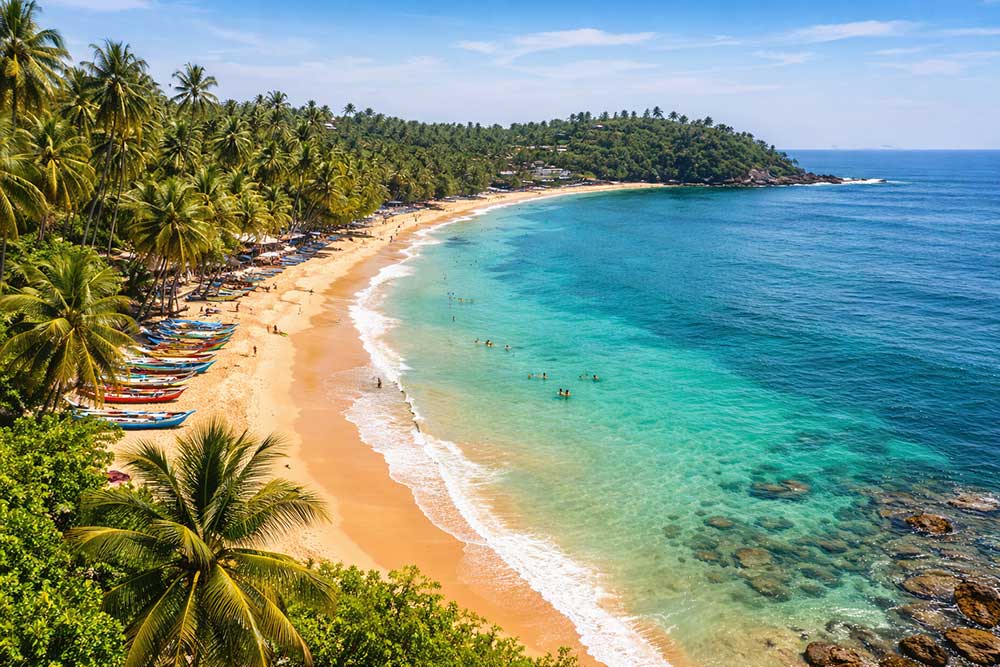
Most visitors experience Mirissa Beach from a narrow strip: the main beach road, Coconut Tree Hill, and a handful of cafés facing the ocean. What rarely gets mentioned is that Mirissa is still a working coastal village, and understanding that changes how you experience the place.
Behind the guesthouses, you’ll find cinnamon trees growing in home gardens, small net-mending sheds, and informal fish-drying racks that appear after a good catch. Early mornings—especially on weekdays—you’ll see children heading to school in white uniforms while tourists are just waking up. This overlap of daily life and tourism is fragile.
Why this matters for travelers:
If you treat Mirissa Beach like a resort town, interactions feel transactional. If you slow down and acknowledge that people live here year-round, doors open—sometimes literally. I’ve been invited into homes for tea simply because I stopped to ask about a fishing net instead of rushing past with headphones on.
Practical takeaway: Walk inland at least once during your stay. Not to “explore,” but to observe. You’ll understand Mirissa Beach better in 20 minutes off the beach road than in hours online.
How the Ocean at Mirissa Beach Actually Works (Local Sea Logic)
Most guides say “the sea is calm from December to April.” That’s true—but incomplete.
Local fishermen don’t think in months; they think in wind direction and color of the water. When the surface turns a dull green-grey and the wind shifts slightly southwest in the afternoon, even during peak season, they know swimming will be risky the next morning.
I’ve watched tourists ignore calm-looking water only to be pulled sideways by a lateral current locals spotted hours earlier.
Local rule of thumb:
- Morning calm doesn’t guarantee afternoon safety
- If fishermen move boats higher up the beach than usual, don’t swim
- Flags matter, but behavior of locals matters more
Why this improves safety:
Understanding Mirissa Beach through local sea behavior—not just posted signs—helps travelers make better real-time decisions, especially families and solo swimmers.
The Quiet Economy of Mirissa Beach: Who Really Benefits From Your Money
Mirissa Beach looks small, but money circulates in layers.
Large tour operators and beachfront properties often operate from outside the village. Meanwhile, guesthouse owners, tuk-tuk drivers, fruit sellers, and breakfast cooks rely on thin daily margins—especially outside whale season.
A simple example:
A locally owned whale-watching operator may cancel a tour due to rough seas, losing income for the day. Larger operators may still go out, transferring risk to passengers and crew.
Responsible traveler insight:
Supporting smaller, safety-conscious operators may mean fewer guarantees—but it directly sustains the community that makes Mirissa Beach work.
Practical tip:
Ask where the owner is from, not just where the office is. It’s a polite, normal question locally—and tells you a lot.
Why Coconut Tree Hill Is Under Pressure (And How to Visit Without Harming It)
Coconut Tree Hill didn’t become famous because of influencers—it was always a lookout point for locals watching sea conditions. What changed is volume.
Soil erosion has increased due to foot traffic, especially during sunrise rushes. Locals now quietly avoid certain paths that tourists still use daily.
What responsible visitors can do:
- Visit early, but don’t linger on edges
- Avoid climbing trees or sitting on roots
- Follow existing footpaths—even if they’re less “Instagrammable”
This isn’t about rules—it’s about preventing closures. Several coastal viewpoints in Sri Lanka have already been fenced off permanently after similar pressure.
Eating Like a Local in Mirissa Beach (Without Asking for “Local Food”)
One of the fastest ways to get a watered-down meal is asking for “local food.”
In Mirissa Beach, locals eat early, fast, and seasonally. The best meals aren’t advertised and often disappear by noon.
How to find genuinely local food:
- Look for places with no menus and plastic chairs
- If rice & curry is served before 11 a.m., it’s usually for locals
- Ask what vegetables are available today, not what’s recommended
On one visit, I ate a jackfruit seed curry and coconut sambol breakfast that was never repeated again—because the jackfruit tree was empty the next week. That’s real food culture, not a fixed menu.
What Long-Stay Travelers Learn About Mirissa Beach (That Short Visits Miss)
Travelers who stay a week or more notice something important: Mirissa Beach slows you down whether you want it to or not.
Power cuts happen. ATMs run dry. Rain cancels plans. And somehow, those interruptions become the highlight.
Long-stayers start recognizing faces—the same tuk-tuk driver, the same bakery woman, the same fisherman repairing nets every evening. The beach stops being a destination and starts feeling like a routine.
Why this matters:
Places like Mirissa Beach aren’t meant to be “done.” They’re meant to be lived in briefly. Even adding one extra day changes the experience entirely.
FAQ
Is Mirissa Beach good for swimming?
Yes, Mirissa Beach is good for swimming during the dry season (December to April) when the sea is calm. During monsoon months (May to September), waves and rip currents can be strong, so swimming is not always safe. Always follow local warning flags.
Is Mirissa Beach safe for tourists?
Mirissa Beach is generally safe for both foreign tourists and Sri Lankan locals. The main risks are ocean conditions and occasional petty scams. Use licensed whale-watching operators, avoid swimming alone, and keep valuables secure on the beach.
What is Mirissa Beach famous for?
Mirissa Beach is best known for blue whale watching, relaxed beach vibes, and sunrise views from Parrot Rock and Coconut Tree Hill. It’s also popular for small guesthouses, local food, and easy access to nearby towns like Weligama.
When is the best time for whale watching in Mirissa Beach?
The best time for Mirissa Beach whale watching is from December to April, when sea conditions are calm and sightings are most frequent. Outside this period, tours may be cancelled due to rough seas.
How much does whale watching cost in Mirissa Beach?
Whale watching tours from Mirissa Beach usually cost LKR 15,000–25,000 per person, depending on the operator and boat size. Lower prices may indicate overcrowded boats or poor safety standards.
Can Sri Lankan locals visit Mirissa Beach as a day trip from Colombo?
Yes. Mirissa Beach is a popular weekend or long-day trip from Colombo, especially via the Southern Expressway. Many locals leave early morning, spend the day at the beach, and return at night or stay one night.
Are there budget stays in Mirissa Beach Sri Lanka?
Yes. There are many budget stays in Mirissa Beach Sri Lanka, including family-run guesthouses and homestays starting from LKR 6,000–10,000 per night. Staying slightly inland is usually cheaper and quieter.
Is Mirissa Beach crowded?
Mirissa Beach can be crowded during peak season (December–February), especially near Coconut Tree Hill and the main beach strip. Early mornings and weekdays are much quieter, even in high season.
What are the best things to do in Mirissa Beach besides whale watching?
The best things to do in Mirissa Beach include climbing Parrot Rock at sunrise, walking to nearby beaches, watching fishermen at dawn, snorkeling in calm months, and taking short trips to Weligama or Galle.
Is Mirissa Beach suitable for families with children?
Yes, Mirissa Beach is family-friendly, especially during calm sea months. Choose accommodation away from the busiest beach areas, and always supervise children near the water.
How far is Mirissa Beach from Galle?
Mirissa Beach is about 35 km from Galle, roughly 1 hour by car or bus, depending on traffic. It’s an easy half-day or full-day trip from Galle Fort.
Is Mirissa Beach better than Unawatuna?
Mirissa Beach is quieter and more laid-back than Unawatuna. Unawatuna suits travelers who want nightlife and restaurants, while Mirissa Beach is better for relaxed stays, whale watching, and slower travel.
Can you surf at Mirissa Beach?
Mirissa Beach itself is not ideal for beginners, but nearby Weligama (10 minutes away) is one of Sri Lanka’s best beginner surfing beaches. Advanced surfers may find seasonal reef breaks nearby.
Are there ATMs and shops near Mirissa Beach?
Yes, Mirissa Beach has ATMs, pharmacies, grocery shops, and tuk-tuks within walking distance. However, ATMs can occasionally run out of cash, so carrying some cash is recommended.
What should I wear at Mirissa Beach?
Beachwear is fine on the sand, but when walking through the village or visiting temples nearby, modest clothing is recommended—cover shoulders and knees out of respect for local culture.
Conclusion: Why Mirissa Beach Still Matters
Mirissa Beach isn’t untouched. It’s busy in season, imperfect, sometimes noisy. But it’s also deeply human. It’s fishermen at dawn, kids learning English from travelers, families running guesthouses with pride.
If you come expecting a postcard, you might miss it. If you come curious—ready to listen, eat what’s offered, and walk a little farther—you’ll find your own version of Mirissa Beach waiting.
If you’ve visited Mirissa Beach, please share your experience in the comments below!
By Tour My Lanka Editorial Team
– promoting sustainable and authentic travel across Sri Lanka.
Last Updated: February 2026
Images in this article are for illustration purposes and sourced from royalty-free platforms such as Pixabay and Unsplash.