

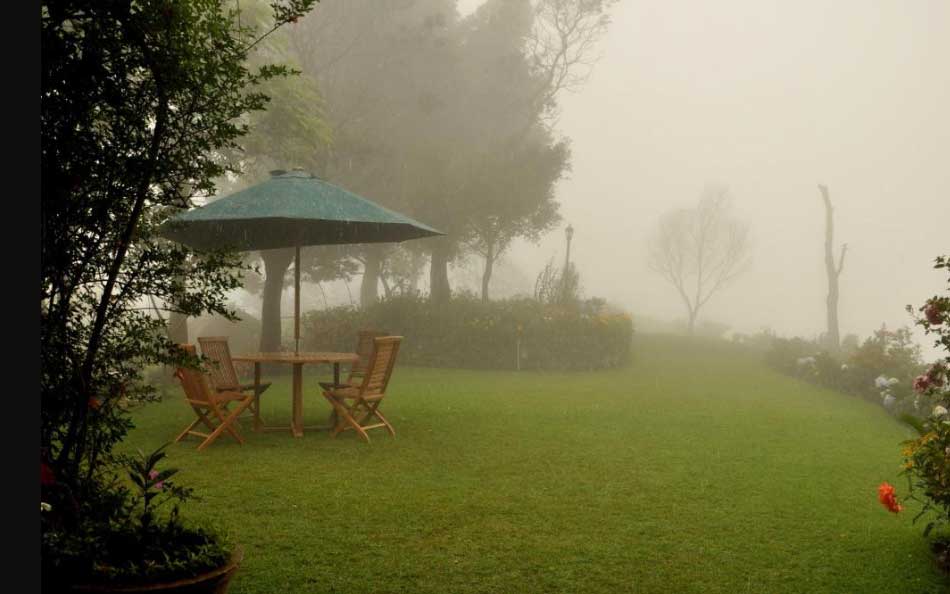
Perched on the southern edge of Sri Lanka’s hill country, Haputale is one of those rare places that quietly surprises you. It doesn’t shout for attention like Ella, nor does it come with the polished tourist infrastructure of Nuwara Eliya. Instead, Haputale offers something more meaningful — raw mountain beauty, misty tea estates, and a sense of calm that many travelers say they didn’t know they needed.
If you’re planning a trip to Sri Lanka and want to experience authentic highland life without the crowds, Haputale deserves a spot on your itinerary.
Why Visit Haputale?
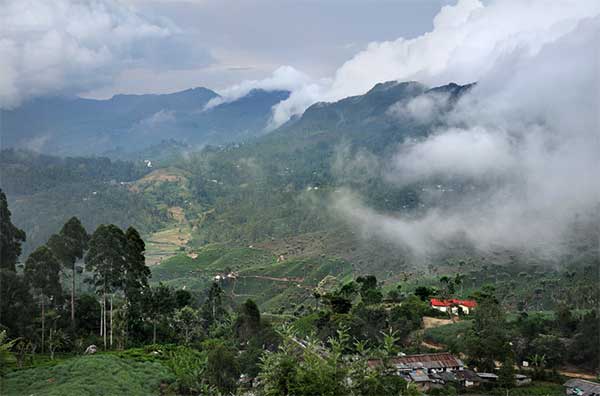
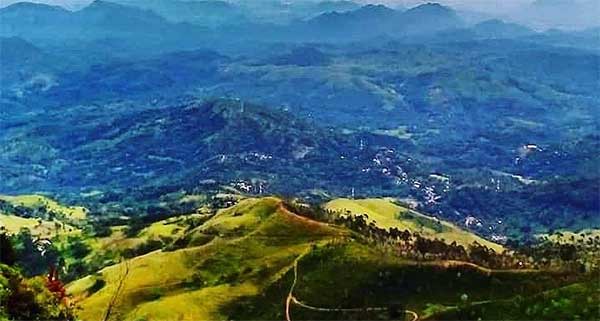
Haputale sits at around 1,400 meters above sea level, which means cooler temperatures, fresh mountain air, and panoramic views stretching across southern Sri Lanka.
What makes Haputale special isn’t just the scenery — it’s the feeling.
- You wake up above the clouds
- Tea pickers start their day before sunrise
- The town slowly comes alive with a laid-back rhythm
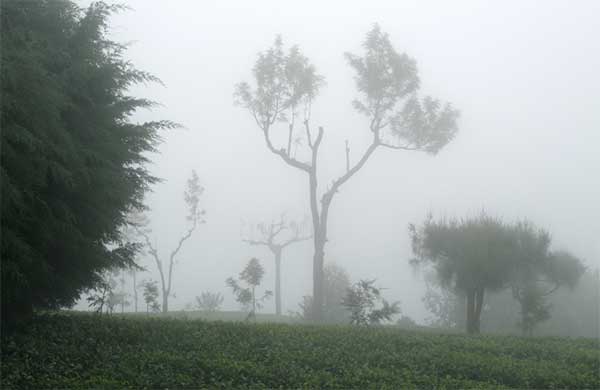
- Evenings are quiet, with mist rolling through the hills
Unlike more commercial destinations, Haputale still feels local. You’ll find schoolchildren walking to class, small roadside tea shops, and friendly conversations that aren’t driven by tourism.
Where is Haputale Located?
Haputale is located in the Badulla District of Sri Lanka’s Uva Province, roughly:
- 200 km from Colombo
- 60 km from Nuwara Eliya
- 30 km from Ella
It sits along the famous hill-country railway line — one of the most scenic train routes in the world.
How to Get to Haputale
🚆 By Train (Highly Recommended)
Taking the train is not just transport — it’s part of the experience.
- Route: Colombo → Kandy → Nanu Oya → Haputale
- Duration: 8–10 hours from Colombo
- Best seats: Observation class or reserved second class
Local tip: Book tickets a few days in advance, especially during peak tourist seasons (December–April).
🚗 By Car or Taxi
- Travel time: 5–6 hours from Colombo
- Roads are scenic but winding
If you’re prone to motion sickness, bring medication — the last hour into Haputale has sharp curves.
🚌 By Bus
Budget travelers can take public buses from Colombo or Badulla. It’s cheaper but less comfortable compared to trains.
Best Time to Visit Haputale
Haputale has a unique climate compared to much of Sri Lanka.
Best months:
- January to April → Clear views, ideal for hiking
- July to September → Less rain, pleasant temperatures
Avoid if possible:
- October–November → Heavy rains and limited visibility
Reality check: Even in the best season, mornings can be cloudy. Don’t expect perfect views all day — patience pays off.
Top Things to Do in Haputale
1. Visit Lipton’s Seat
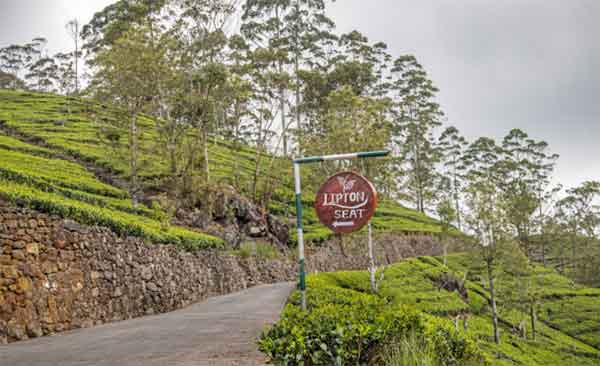
Lipton’s Seat is the most iconic attraction in Haputale.
This viewpoint is where Sir Thomas Lipton used to survey his tea empire.
Why it’s worth it:
- 360° views across five provinces
- Stunning sunrise above the clouds
- Scenic road through tea plantations
Practical tip:
Go early (before 7 AM). After that, clouds often block the view.
2. Explore Dambatenne Tea Factory
Located near Lipton’s Seat, the Dambatenne Tea Factory gives you a behind-the-scenes look at how Ceylon tea is made.
What you’ll learn:
- Tea leaf grading
- Processing stages
- Difference between tea types
Local insight:
The guides are often former workers — ask questions, and you’ll get real stories, not rehearsed scripts.
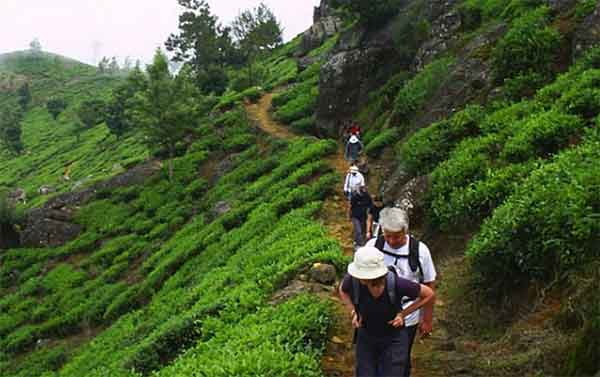
3. Walk Through Tea Plantations
One of the best experiences in Haputale is simply walking through tea estates.
What makes it special:
- You’ll meet local tea pluckers
- Trails are quiet and uncrowded
- Endless green landscapes
Respect tip:
Always ask before photographing workers — most are happy, but it’s polite to check.
4. Discover Adisham Bungalow
Hidden in the forest, Adisham Bungalow is a former colonial mansion turned monastery.
Why visit:
- Peaceful gardens
- Unique architecture
- Quiet escape from town
Note:
Opening times are limited — check before you go.
5. Hike to Thangamale Sanctuary
For nature lovers, Thangamale Sanctuary offers a quieter alternative to crowded hikes.
Highlights:
- Birdwatching
- Forest trails
- Occasional wildlife sightings
Where to Stay in Haputale
Haputale offers a mix of budget guesthouses and boutique stays.
Budget ($10–$25)
Local homestays
Basic guesthouses
Mid-range ($30–$70)
Comfortable hotels with views
Tea estate bungalows
Luxury ($80+)
Boutique eco-lodges
Colonial-style stays
Local tip:
Choose accommodation with a mountain-facing balcony — sunrise views are unforgettable.
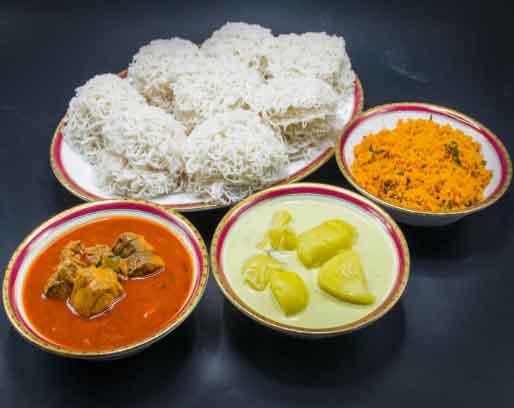
What to Eat in Haputale
Food in Haputale is simple but flavorful.
Must-try dishes:
- Rice and curry
- String hoppers (breakfast)
Roti with sambol - Fresh Ceylon tea
Where to eat
- Small local restaurants
- Roadside eateries
Real tip:
Skip tourist cafés and eat where locals eat — better taste, lower prices.
Practical Travel Tips (From Local Experience)
1. Weather Changes Fast
You can experience sunshine, fog, and rain all in one day. Carry a light jacket.
2. Start Early
Most viewpoints are best before 9 AM. After that, clouds roll in.
3. Internet Can Be Unstable
Don’t rely heavily on Wi-Fi — download maps offline.
4. Cash is King
ATMs are limited. Carry enough Sri Lankan Rupees.
5. Slow Down
Haputale is not a “checklist destination.” Spend at least 2 nights.
Suggested 2-Day Haputale Itinerary
Day 1
- Arrive by train
- Walk around town
- Sunset views from nearby hills
Day 2
- Sunrise at Lipton’s Seat
- Visit Dambatenne Tea Factory
- Explore Adisham Bungalow
Is Haputale Safe for Tourists?
Yes — Haputale is considered very safe.
- Friendly locals
- Low crime rate
- Safe for solo travelers
Basic precautions still apply:
- Avoid isolated areas at night
- Keep valuables secure
Nearby Attractions to Haputale (Hidden Gems & Easy Day Trips)
One of the biggest advantages of staying in Haputale is its central location in Sri Lanka’s hill country. Within 1–2 hours, you can reach waterfalls, national parks, scenic train spots, and lesser-known viewpoints that many tourists completely miss.
Here’s a carefully curated list of nearby attractions — including both popular highlights and local hidden gems.
🌄 1. Diyaluma Falls (Sri Lanka’s Second Highest Waterfall)
Distance: ~1 hour from Haputale
Height: ~220 meters
This is easily one of the most unforgettable experiences near Haputale.
Why go:
- Natural infinity pools at the top
- Incredible views over the southern plains
- Less crowded than Ella waterfalls
Local tip:
Most tourists only stop at the bottom. The real magic is at the top — go early morning for fewer people and safer conditions.
🌿 2. Horton Plains National Park & World’s End
Distance: ~1.5–2 hours
Best known for: World’s End cliff (4,000 ft drop)
Highlights:
- Scenic circular hiking trail
- Baker’s Falls waterfall
- Unique highland ecosystem
Reality tip:
Arrive before 9 AM — clouds often cover the famous viewpoint later in the day.
🌊 3. Bambarakanda Falls (Tallest Waterfall in Sri Lanka)
Distance: ~1 hour
Height: 263 meters (tallest in Sri Lanka)
Why visit:
- Dramatic vertical drop
- Pine forest surroundings
- Short scenic hike to viewpoint
🚞 4. Idalgashinna Railway Station & Scenic Walk
Distance: ~20 minutes
This is one of the most scenic railway spots in Sri Lanka — often covered in mist.
Experience:
- Walk along the railway tracks back to Haputale
- Completely off-the-tourist-path
- Stunning valley views
Local insight:
This walk feels like stepping into a movie scene — especially when the train appears through the fog.
🏞️ 5. Devil’s Staircase (Adventure Route)
Distance: ~1–1.5 hours
A rugged mountain road famous for its steep bends and wild landscapes.
Best for:
- 4×4 adventures
- Photography
- Off-the-beaten-path travelers
🌄 6. Ella (Popular Nearby Tourist Hub)
Distance: ~45 minutes
If Haputale feels too quiet, Ella offers a lively contrast.
Top things in Ella:
- Nine Arch Bridge
- Little Adam’s Peak
- Ravana Falls
Honest tip:
Visit Ella for a day — but stay in Haputale if you prefer peace.
🌊 7. Lanka Ella Falls (Hidden Gem)
Distance: ~1–1.5 hours
Less visited and more raw compared to major waterfalls.
Why go:
- No crowds
- Untouched natural setting
- Ideal for adventurous travelers
🏛️ 8. Dhowa Rock Temple (Cultural Stop)
Distance: ~30 minutes
A lesser-known temple carved into rock.
Highlights:
- 2,000-year-old history
- Large unfinished Buddha statue
- Peaceful surroundings
🏕️ 9. Diyatalawa (Quiet Highland Town)
Distance: ~15 minutes
A peaceful town with fewer tourists.
Best for:
- Relaxing stays
- Local experience
- Scenic walks
Hidden Spots (Less Touristy)
From local exploration and traveler experiences:
- Prabhawa Mountain Viewpoint – underrated sunrise spot
- Haldummulla Waterfall – quiet and scenic
- Wangedigala Mountain – challenging hike with epic views
Unique Experience on Haputale
🌿 1. The “Cloud Line Phenomenon” – Why Haputale Feels Different
Most travel blogs will tell you Haputale is “misty” — but they rarely explain why it feels so surreal.
Haputale sits on a narrow ridge where Sri Lanka’s central highlands suddenly drop toward the dry southern plains. This creates a natural “cloud line.”
What this means for travelers:
- In the morning, you’re often above the clouds
- By midday, clouds rise from the lowlands and swallow the mountains
- By evening, visibility can suddenly clear again
This isn’t random weather — it’s geography.
Real traveler insight:
If you wake up early and see nothing but fog, don’t give up. Wait 20–30 minutes. The clouds often “break” suddenly, revealing dramatic views. This pattern is extremely common in Haputale but rarely explained online.
🍃 2. The Hidden Human Story Behind the Tea You See
When you walk through tea plantations near Lipton’s Seat, you’re not just walking through a landscape — you’re walking through living history.
Most travelers don’t realize:
- Many tea workers are descendants of laborers brought from India during British rule
- These communities have lived in plantation areas for generations, often in basic housing
- Tea picking is physically demanding and still largely manual
Even today, the tea industry carries traces of its colonial origins .
Why this matters for travelers:
This changes how you experience Haputale.
Instead of just taking photos, you start to notice:
- The rhythm of work (early mornings, quiet afternoons)
- The community life inside estates
- The contrast between scenic beauty and real livelihoods
Respectful travel tip (important):
- Always ask before taking photos
- A smile and a small conversation go a long way
- Buying local tea directly supports the community more than big brands
🕰️ 3. Haputale is a “Living Colonial Landscape” (But Not in the Way You Think)
Unlike places that preserve history in museums, Haputale is still actively functioning inside a colonial framework.
- The Dambatenne Tea Factory (built in 1890) still processes tea using systems introduced during the British era
- Roads and estate layouts follow old plantation routes
- Some machinery and workflows date back over a century
Even the idea of viewing land from Lipton’s Seat comes from plantation management practices — surveying estates from above .
What makes this unique:
This isn’t “history preserved.”
This is history still operating.
Traveler perspective shift:
Instead of seeing Haputale as just a scenic destination, you begin to understand it as:
A place where past and present exist at the same time.
🚶 4. The “Unplanned Walk” — Haputale’s Best Experience Isn’t on Google Maps
Most guides focus on named attractions. But the most memorable Haputale experience is often something else entirely:
Walking without a destination
Here’s what actually happens when you do this:
- You take a random road into a tea estate
- A worker waves or smiles
- You hear distant voices echo through the hills
- Fog rolls in, changing the entire landscape in minutes
This kind of experience is impossible to package into an itinerary — which is why most blogs ignore it.
Local insight:
Some of the best walks are:
Between Haputale town and tea estates (no specific trail)
Roads toward Lipton’s Seat before sunrise
Small side paths used by estate workers
Safety tip:
Stick to visible paths and avoid entering private buildings or estate interiors without permission.
🌄 5. Why Sunrise in Haputale Feels Different from Ella
Many travelers compare Haputale to Ella, but the sunrise experience is fundamentally different.
Ella sunrise:
- Social atmosphere
- Crowds at viewpoints
- Cafés opening early
Haputale sunrise:
- Often completely silent
- Few or no tourists
- Just wind, birds, and distant activity
Real insight:
The silence can feel unusual at first — especially if you’ve been traveling through busy areas.
But this is exactly what makes Haputale powerful.
🧭 6. The “Expectation vs Reality” Gap (That Most Blogs Ignore)
Let’s be honest — Haputale is not for everyone.
What many travelers expect:
- Constant clear views
- Easy Instagram spots
- Well-developed tourism infrastructure
What Haputale actually offers:
- Changing weather (views come and go)
- Minimal nightlife
- Simple accommodations
Why this matters:
This gap is the reason some travelers say:
“Haputale was amazing”
while others say:
“There wasn’t much to do”
Both are correct — it depends on your expectations.
🧠 7. How to Experience Haputale Like a Local (Not a Tourist)
Here’s a perspective shift that changes everything:
Don’t treat Haputale as a checklist destination
Treat it as a slow environment
Try this approach:
- Wake up early (before 6 AM)
- Walk without a strict plan
- Spend time observing daily life
- Sit with a cup of tea and just watch the landscape
This aligns more closely with how locals experience the area.
🍵 8. Tea Tastes Different Here — And There’s a Reason
You’ll notice something subtle:
Tea in Haputale tastes fresher and slightly stronger.
Why?
- High altitude affects flavor profiles
- Tea is often processed nearby
- Less time between production and consumption
Historically, innovations in tea processing and packaging (like standardized production) were developed in estates like Dambatenne .
Practical tip:
Try tea at small local shops rather than tourist cafés
Ask for “plain tea” — no milk or sugar — to taste the difference
🔍 9. A Subtle but Important Travel Ethics Insight
Haputale is beautiful — but it’s also a working landscape.
Things many travelers unintentionally do:
- Walk into private plantation areas
- Treat workers as photo subjects
- Ignore local routines
Better approach:
- Observe first, engage respectfully
- Support small local businesses
- Avoid romanticizing difficult livelihoods
This not only improves your experience — it builds trust with locals.
FAQs About Haputale
1. How many days should I spend in Haputale?
2–3 days is ideal to explore comfortably without rushing.
2. Is Haputale colder than Ella?
Yes, slightly — especially at night.
3. Can I visit Haputale as a day trip from Ella?
Yes, but staying overnight is highly recommended.
4. Do I need a guide for Lipton’s Seat?
No, it’s easy to access independently.
5. Is Haputale suitable for families?
Yes — it’s peaceful and safe, though activities are limited.
Final Thoughts: Why Haputale is Worth Your Time
Haputale is not about ticking off attractions. It’s about slowing down and experiencing Sri Lanka’s hill country in its most genuine form.
You won’t find flashy resorts or crowded Instagram spots here. What you will find is:
- Mist drifting through tea fields
- Quiet mornings with mountain views
- Conversations with locals that feel real
If your travel style leans toward meaningful experiences rather than rushed sightseeing, Haputale will likely become one of your favorite places in Sri Lanka.
If you’ve visited Haputale, share your experience in the comments below!
By Tour My Lanka Editorial Team
– promoting sustainable and authentic travel across Sri Lanka.
Last Updated: April 2026
Images in this article are for illustration purposes and sourced from royalty-free platforms such as Pixabay and Unsplash.