
Why Visit Dolukanda?
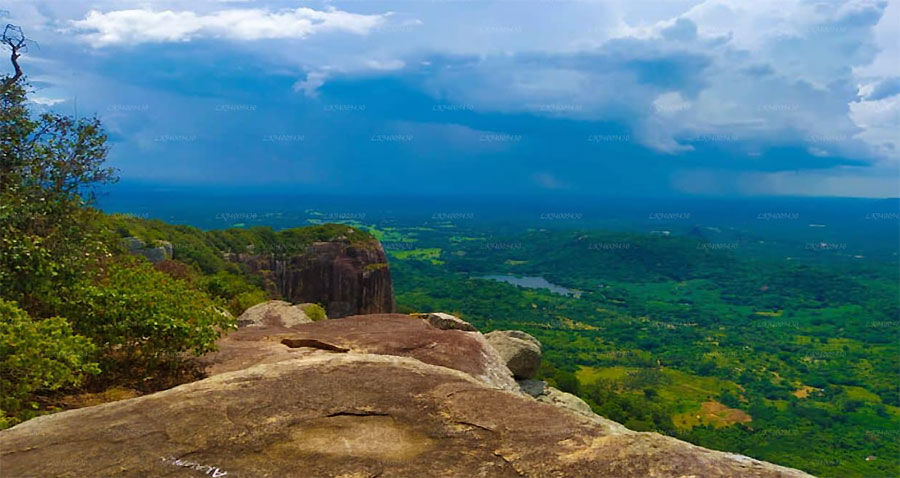
If you love hikes with a dash of history and myth, Dolukanda is the perfect adventure. Rising 1,969 feet above sea level in the Kurunegala District, this forested mountain is believed by locals to be connected to the Ramayana legend. It’s also a protected reserve packed with viewpoints, small ruins, rare plants, and dramatic cliff edges that offer unforgettable open views across the plains.
Whether you’re a casual explorer or a hiker looking for a scenic challenge, Dolukanda has something special waiting at its summit.
Legends and History
According to folklore, Dolukanda is one of the herbal-rich mountain fragments brought by Hanuman from the Himalayas to heal Lord Rama and Lakshmana during the legendary war. Villagers also believe the summit area once served as a medicinal garden, a place associated with the ancient King Buddhadasa, known for his healing knowledge.
While much of this is wrapped in myth, the archaeological remains and sacred sites show that Dolukanda has been an essential place for centuries.
What Awaits at the Summit
Once you reach the top, the scenery opens into a vast plateau filled with exciting spots to explore:
- Weheragala – the highest point with remnants of a stupa
- Maligathenna – believed to be the ruins of an ancient palace
- Herbal forest patches – home to a variety of traditional medicinal plants
- Natural ponds like Kaludiya Pokuna — considered to hold healing value according to local beliefs
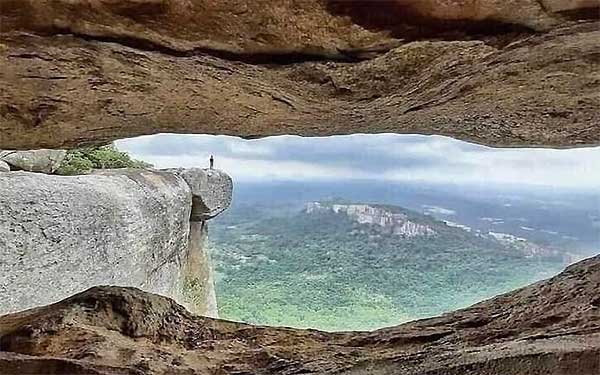
- Caves and vertical rock cliffs near Hulang Kapolla — the best place for stunning photography
On a clear day, you may even spot Chilaw’s coastline glimmering far away.
Views That Go On Forever
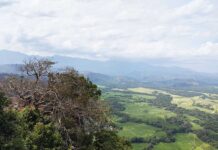
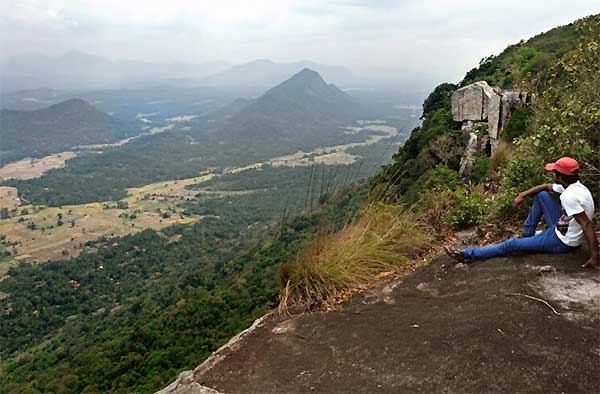
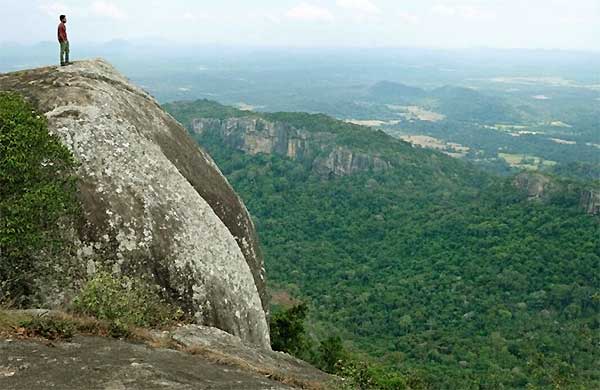
From the summit, sweeping views stretch across Kurunegala, Wariyapola, Deduru Oya, and the rolling plains of the North-West Province. Looking northeast, you’ll see the distant hills around Dambulla — a perfect backdrop for your photos.
Camping at Dolukanda
Night stays are possible, but only in sheltered areas. The open rock plateau experiences strong winds, so setting up tents at the edge can be risky.
Important to know:
- Clean drinking water is difficult to find on top
- In dry months, the ponds may not be reliable
- Local guides can show seasonal safe water points
Route Options – How to Get There
There are two main access points:
1️⃣ From Rankirimada Vihara (Doluwa Village)
- Reach via Kurunegala – Madagalla Road
- Scenic and the more popular route
2️⃣ From Dolukanda Temple on Wellawa – Ganewatta Road
- Steeper and more challenging
- Visitors are required to inform the temple priest before climbing
Hiring a local guide is strongly recommended, especially for first-timers.
Location
How Long Is the Hike?
- Up: 1.5–2 hours at a relaxed pace
- Down: 1–1.5 hours
- Allow: At least 1.5–2 hours exploring the summit area
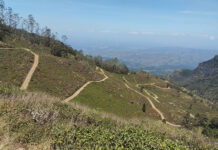
The trail includes rocky patches, forest paths, and open grasslands — a great mix for nature lovers.
Best Time to Visit
- Dolukanda’s lower surroundings get hot and humid, so:
- Best months: December to March
- Best time of day: Start before 7:00 AM
- Avoid heavy rain periods (slippery rocks + leeches)
What Dolukanda Is Famous For
- Scenic hiking and photography
- Historical ruins
- Nature and wildlife
- Adventurous viewpoints
- Buddhist temple attractions
Essential Travel Tips
- Carry at least 2 liters of water per person
- Wear proper hiking shoes — the trail gets slippery
- Strong winds near the edges — stay cautious
- Beware of snakes and insects
- Bring snacks — no shops near the summit
- Respect wildlife and sacred places
- Pack out everything you pack in ✅
Safety and Permits
Dolukanda is a protected forest reserve under the Forest Department of Sri Lanka.
A prior entry permit may be required for hiking and camping.
Guides can help arrange permissions and ensure you follow safety practices throughout the hike.
What Most Guides Don’t Tell You About Hiking Dolukanda
Dolukanda is often described as a “moderate hike,” but that label can be misleading depending on when and how you climb. The mountain changes character throughout the day.
Early mornings feel calm and forgiving — shaded forest sections stay cool, birds are active, and the rock surfaces are dry and grippy. By late morning, especially during dry months, exposed sections heat up quickly, and wind gusts at the summit can be unexpectedly strong.
One thing many first-time visitors don’t expect is how quiet Dolukanda feels compared to better-known hikes. Even on weekends, long stretches of the trail can feel completely isolated. This is part of the charm, but it also means self-awareness matters. Mobile signal drops in several forest sections, and help isn’t immediately available if you twist an ankle or lose your way.
Another overlooked detail: the final approach to the summit is less about endurance and more about foot placement. Smooth rock slabs become slippery after rain, and there are no safety rails. Locals instinctively slow down here — copying that pace is smarter than rushing for the view.
Reading the Landscape: Small Signs That Tell You Where You Are
Dolukanda rewards travelers who pay attention to small details rather than just the summit view.
As you climb, the forest subtly changes. Lower slopes are dominated by secondary forest and scrub — tougher plants adapted to heat and dry conditions. Higher up, you’ll notice shorter trees, medicinal shrubs, and moss-covered rock faces, especially in shaded crevices. These transitions are one reason locals associate the mountain with traditional healing knowledge.
Listen closely during quiet moments. In the early morning, bird calls echo sharply due to the open rock faces, while midday brings a near-silence broken only by wind moving through grasslands. Experienced hikers often say this silence feels “intentional,” as if the mountain demands attention rather than noise.
Near ponds like Kaludiya Pokuna, dragonflies hover low over the water — locals see this as a sign the pond hasn’t dried out completely. While not scientific, these observations are passed down through generations and often prove accurate during dry spells.
Cultural Etiquette on Dolukanda (Especially for Foreign Visitors)
Dolukanda is not just a hiking destination — it’s also a living spiritual landscape for nearby villages. Understanding a few local norms can significantly improve your experience.
- If you pass temples or shrines near trailheads, modest clothing is appreciated. Covered shoulders and knees aren’t strictly enforced, but they are quietly expected.
- Loud music, drones, and shouting near sacred areas are discouraged. Many locals hike Dolukanda as a form of personal reflection rather than adventure tourism.
- You may see villagers collecting leaves or herbs near lower slopes. This is often for personal or traditional use. Avoid photographing people without permission — a smile and a brief greeting in Sinhala (“Ayubowan”) goes a long way.
- Removing plants, rocks, or “souvenirs” is frowned upon and may violate Forest Department regulations.
These unspoken rules rarely appear on signboards, but respecting them is one of the simplest ways to be a responsible traveler here.
Is Dolukanda Right for You? An Honest Self-Assessment
Dolukanda isn’t for everyone — and that’s okay.
This hike is ideal if you:
- Enjoy quiet trails over crowded viewpoints
- Prefer natural, unpolished landscapes
- Are comfortable hiking without cafés, toilets, or handrails
- Appreciate folklore and subtle history rather than museum-style explanations
You may want to reconsider if you:
- Expect clear signboards and maintained paths throughout
- Dislike exposure to wind and sun
- Are traveling with very young children or elderly companions without assistance
- Prefer “Instagram-ready” infrastructure over raw scenery
Understanding this beforehand prevents disappointment and ensures Dolukanda remains enjoyable for those who truly appreciate it.
One Small Decision That Makes a Big Difference
The single best decision you can make at Dolukanda is turning back if the weather shifts suddenly.
Clouds can roll in fast, reducing visibility near cliff edges. Locals don’t treat this as failure — they see it as respect for the mountain. Many will tell you, “Dolukanda will still be there next time.”
Travelers who adopt this mindset often leave with a deeper appreciation than those who push recklessly to the summit.
First-Time Mistakes Travelers Make at Dolukanda
1. Starting the Hike Too Late in the Morning
Many first-time hikers begin around 9:00–10:00 AM, assuming it’s a short climb. By then, exposed rock sections heat up quickly, and strong winds often pick up near the summit. Early starters enjoy cooler temperatures, better visibility, and a far more comfortable descent.
2. Carrying Too Little Water
Dolukanda is often mistaken for a “quick hill walk.” Travelers regularly bring one small bottle — and regret it. There are no reliable water sources at the summit, especially during dry months. Two liters per person is a minimum, not an exaggeration.
3. Underestimating Wind at the Summit
The plateau looks calm from below, but wind conditions can change suddenly. Some travelers set up tents or sit near cliff edges without realizing how unstable the gusts can be. Staying slightly inland from exposed edges is safer and more comfortable.
4. Wearing Casual Footwear
Flip-flops and smooth-soled sneakers are common mistakes. The final ascent includes smooth rock surfaces that become slippery after light rain or morning dew. Proper hiking shoes — or at least shoes with solid grip — make a noticeable difference.
5. Assuming Clear Signage Will Guide the Way
Dolukanda is not a heavily developed hiking destination. Trail markers are inconsistent, and multiple footpaths branch off toward viewpoints and forest sections. First-time visitors who rely only on intuition sometimes lose time — or turn back early. A guide or prior local advice prevents this.
6. Treating Dolukanda Like a Picnic Spot
Some visitors arrive expecting shaded rest areas or flat picnic spaces. Dolukanda is primarily a hiking and exploration site, not a recreational park. Sitting quietly, moving mindfully, and keeping noise low aligns better with both safety and local expectations.
7. Ignoring Subtle Weather Changes
Cloud cover and wind direction can shift within minutes. First-time hikers often push forward despite reduced visibility. Experienced locals turn back early when conditions feel wrong — not out of fear, but respect for the terrain.
Nearby Attractions to Dolukanda, Sri Lanka
If you’re planning a visit to Dolukanda, you’ll be pleased to know that the region is surrounded by several fascinating attractions-perfect for nature lovers, pilgrims, and cultural explorers. Here are some of the best nearby places to visit while exploring this sacred mountain:
1. Yapahuwa Rock Fortress (Approx. 35 km)
Once the capital of Sri Lanka, the Yapahuwa Rock Fortress is an impressive archaeological site built on a massive granite rock. Visitors can climb to the summit to see ancient ruins, stone staircases, and panoramic views of the surrounding landscape.
Highlights: The famous Ornate Stone Stairway, the Temple of the Tooth Relic history, and breathtaking sunset viewpoints.
2. Arankele Monastery (Approx. 25 km)
Arankele Forest Monastery is a serene, less-visited archaeological site that showcases the island’s early monastic architecture. The long meditation paths, stone bathing ponds, and monastic ruins make it an ideal spot for those seeking peace and quiet.
Best for: Meditation, photography, history.
3. Panduwasnuwara Ancient Kingdom (Approx. 20 km)
A historically significant site connected to ancient kings and legends, Panduwasnuwara features palace ruins, reservoirs, and ancient stupas. It’s a great place to learn more about Sri Lanka’s medieval history.
Highlights: Palace foundations, the circular relic house, and scenic surroundings.
4. Ethakada (Elephant Rock) Temple – Melsiripura (Approx. 15 km)
A small but spiritually significant temple located on a hilltop. The climb is short but rewarding, offering scenic views of lush forests and rural landscapes surrounding Melsiripura.
Best for: Travelers looking for a quick hike combined with cultural interest.
5. Sri Dalada Mandiraya (Ridee Vihara Road, ~28 km)
Often overshadowed by larger religious sites, this temple offers a calm environment for worshippers and visitors. The architecture and peaceful ambiance make it a worthwhile stop for cultural travelers.
6. Ridee Vihara (Approx. 30 km)
Ridee Vihara – also known as the Temple of Silver – is one of Sri Lanka’s most sacred Buddhist temples. Built during King Dutugemunu’s era, it features ancient murals, caves, and beautifully carved structures.
Highlights: Ancient frescoes, cultural relics, and cave temples surrounded by rocky outcrops.
7. Minneriya or Kaudulla National Park (Day Trip Option – ~1.5 hours)
If you’re extending your trip, both Minneriya and Kaudulla National Parks are within reach for half- or full-day safari experiences. These parks are famous for the Great Elephant Gathering, where hundreds of elephants can be seen in one place during the dry season.
Videos
People Also Ask: Real Traveler Questions About Dolukanda
1. Is Dolukanda worth visiting if I’ve already hiked places like Ella Rock or Sigiriya?
Yes — but for a very different reason. Dolukanda isn’t about iconic landmarks or dramatic staircases. Travelers who enjoy Ella Rock or Sigiriya for their views often appreciate Dolukanda for its quiet, raw landscape and sense of isolation. If you’re looking for crowds, cafés, or guided paths, Dolukanda may feel underwhelming. If you enjoy hiking where nature feels largely untouched, it’s worth the effort.
2. Do I really need a guide to hike Dolukanda?
You can hike without one, but many first-time visitors underestimate how easy it is to miss trail splits, especially near forested sections. A local guide isn’t just for navigation — they help identify safe routes, seasonal water points, and weather risks. For solo travelers or foreigners unfamiliar with Sri Lankan forest trails, a guide significantly improves safety and peace of mind.
3. What surprised travelers most about Dolukanda?
Most travelers are surprised by how exposed and windy the summit area is. Photos often don’t show how strong the wind can get, especially after mid-morning. Another common surprise is the lack of facilities — no toilets, no shops, no shelters. Dolukanda feels more like a remote hill trek than a developed tourist site.
4. Can Dolukanda be done as a half-day trip?
Yes, but timing matters. Travelers who start early (before 7:00 AM) comfortably complete the hike and summit exploration within half a day. Those who start late often find the heat and wind reduce the enjoyment. If you’re planning nearby attractions the same day, Dolukanda works best as an early-morning priority, not an afternoon stop.
5. Is Dolukanda safe during the dry season?
Generally yes, but the dry season introduces different risks. While leeches are rare, dehydration and heat exhaustion become more likely due to limited shade near the top. Travelers often assume dry weather is “easier,” but the lack of water sources makes preparation even more important.
6. Is the Ramayana connection taken seriously by locals?
It depends. Some locals view it as sacred history, others as cultural folklore passed down through generations. Visitors are not expected to believe it, but disrespecting the belief openly is frowned upon, especially near shrines or temples. Most travelers find the stories add depth rather than obligation.
Final Thoughts
Dolukanda isn’t a place you simply “tick off” a list. It’s a mountain that asks for patience — from the slow climb through forest shade to the careful steps taken near wind-carved edges at the summit. What stays with most travelers isn’t just the view, but the feeling of being somewhere that hasn’t been shaped for convenience.
There are no cafés at the top, no fences telling you where to stand, and no crowds guiding your experience. Instead, Dolukanda offers space — to move quietly, to listen, and to decide your own pace. For some, that simplicity feels refreshing. For others, it can feel unexpectedly challenging. Both reactions are honest.
If you go prepared, respect the land, and accept that the mountain doesn’t owe you anything, Dolukanda rewards you in subtler ways: long horizons, shifting light, and a rare sense of calm that’s becoming harder to find. And if the weather turns you back before the summit, you haven’t failed — you’ve simply learned when to stop.
Dolukanda will still be there, unchanged, waiting for another day.
Have you hiked Dolukanda? Share your story in the comments – we’d love to hear about your adventure!
By Tour My Lanka Editorial Team
– promoting sustainable and authentic travel across Sri Lanka.
Last Updated: January 2026
Images in this article are for illustration purposes and sourced from royalty-free platforms such as Pixabay and Unsplash.
Always check current conditions with local authorities or your accommodation before visiting, as trail access and other environmental factors can change.
Disclaimer: Ticket prices, opening hours, and transportation costs mentioned in this article may change due to seasonal or administrative updates. Please confirm with the relevant local authorities before visiting.