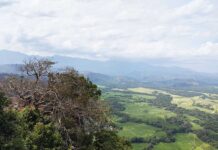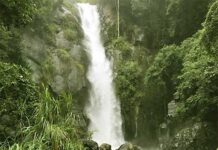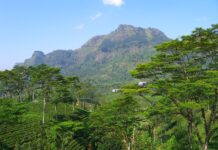

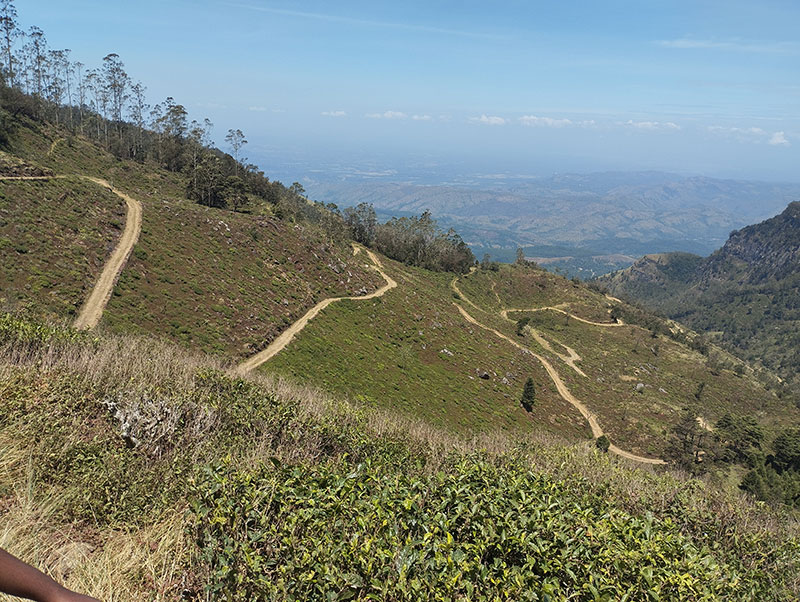
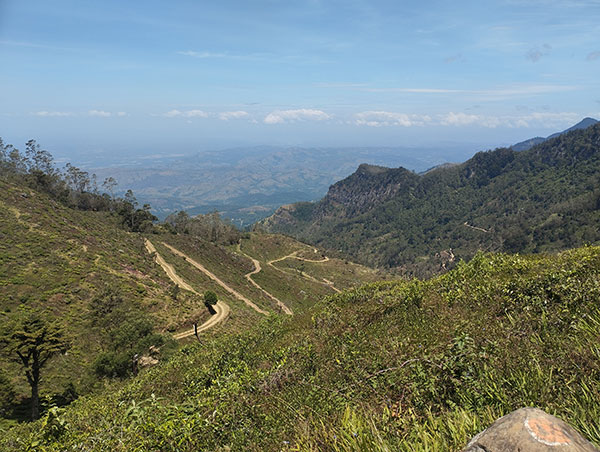
Tucked away in the misty highlands of Haputale, Devil’s Staircase is one of Sri Lanka’s most demanding and visually striking hiking routes. This rugged route, known for its steep zigzag bends and breathtaking mountain views, connects the hill stations of Ohiya and Kalupahana. The route combines steep terrain, colonial-era engineering, and long stretches of quiet highland landscape.
In this complete guide, discover everything you need to know before exploring the Devil’s Staircase — from travel routes and must-see stops to safety tips and nearby attractions.

What is Devil’s Staircase, Sri Lanka?
The Devil’s Staircase is a narrow, steep, zigzagging trail located between Ohiya and Kalupahana in the Badulla District. The name stems from the road’s dizzying twists and abrupt elevation changes—a challenging route not for the faint of heart. It spans approximately 14 kilometers, primarily on dirt roads, with steep inclines and sharp switchbacks.
Why the Devil’s Staircase is Worth It
The Devil’s Staircase is less about ticking off a hike and more about enduring a remote highland crossing. The terrain is physically demanding, but the changing landscape — tea estates, forest edges, and distant waterfalls — keeps the journey engaging. Whether you’re chasing adventure or seeking solitude, this trail delivers an experience that lingers long after your boots hit flat ground. Plan your trip, lace up your hiking boots, and conquer the Devil’s Staircase for an unforgettable adventure in Sri Lanka’s highlands.
What Makes the Devil’s Staircase Different from Other Hill-Country Trails?
- Steeper continuous gradients than Ella or Horton Plains
- Minimal infrastructure and no commercial facilities
- Direct access to Sri Lanka’s tallest waterfall zone
- A route still used by estate workers and local drivers
Getting to the Devil’s Staircase
-
By Train
Several night and early-morning trains operate between Colombo Fort and Ohiya, including the Badulla line. Schedules change seasonally, so check Sri Lanka Railways closer to your travel date.
-
By Road
From Colombo: Drive approximately 6-7 hours to Kalupahana via Balangoda and Belihul Oya, or to Ohiya via Haputale. The A4 Main Road connects to Kalupahana, a common starting point.
From Ella or Bandarawela: A 1-2 hour drive or tuk-tuk ride takes you to Ohiya or Kalupahana. Many tour operators offer transfers from these towns.
-
By Bus or Taxi
Buses from Kandy or Colombo to Haputale or Badulla can drop you near Ohiya or Kalupahana. Taxis or guided tour packages from Kandy, Ella, or Colombo are also convenient options.
Best Time to Visit Devil’s Staircase
- Morning (6 AM – 10 AM): Best for clear views before the mist sets in.
- Sunrise/Sunset: Magical lighting over the hills.
- October to January brings frequent rain and low visibility. While experienced hikers still attempt the trail during this period, conditions are significantly more demanding.

Trekking the Devil’s Staircase: What to Expect
Trail Overview
- Distance: 14-21 km, depending on the route (Ohiya to Kalupahana or vice versa).
- Duration: Duration: 6–9 hours for the full route, depending on pace, weather, and starting point, 4 hours by 4WD, or 4-6 hours by mountain bike.
- Difficulty: Moderate to challenging, with steep inclines, rocky terrain, and narrow ridges. Recommended for experienced hikers.
Starting Points:
- Ohiya: Ideal for downhill treks, starting at Horton Plains Road. (Recommended)
- Kalupahana: Preferred for uphill treks, beginning near Bambarakanda Rest or the A4 Main Road.
What the Map Doesn’t Tell You About Devil’s Staircase
Most online maps show Devil’s Staircase as a single continuous path. On the ground, it feels very different.
The trail subtly changes character every few kilometers. Near Ohiya, the ground is compact and forgiving, shaped by decades of foot traffic and estate vehicles. As you descend toward Kalupahana, the soil becomes looser and redder, especially after rain. This is where many hikers underestimate the route — the gradient doesn’t just increase, it becomes uneven, with erosion channels that force you to zigzag instinctively.
Another reality rarely mentioned: sound disappears here. Once you’re past the tea estates, wind replaces traffic noise entirely. On misty days, visibility can drop to less than 20 meters, and distances feel longer than they are. This is not dangerous if you’re prepared — but it explains why first-time visitors often say the trail felt “longer than expected.”
This isn’t a trail you rush. The terrain quietly forces a slower pace.
How Local Estate Workers Actually Use the Devil’s Staircase
For many tea estate workers living between Ohiya and Kalupahana, the Devil’s Staircase is not an adventure trail — it’s a working route.
Early mornings, you may see workers walking short sections carrying tools or lunch parcels wrapped in cloth. They don’t walk the full staircase; they enter and exit at known junctions invisible to visitors. These informal access points are never marked on tourist maps, and following them can lead you deep into private estate land.
A small but important courtesy:
If you stop for photos near workers, a simple smile and nod goes a long way. Photography without permission is frowned upon, especially in quieter sections. Respect here is not about rules — it’s about coexistence.
Understanding the Devil’s Staircase Microclimate
Weather forecasts for Haputale or Belihuloya often don’t apply here.
The Devil’s Staircase sits in a wind corridor. Between 10:30 AM and 2:00 PM, cold air from the Horton Plains plateau drops rapidly, especially on clear days. This is why hikers often feel colder after the sun rises.
Mist behaves differently too:
- Morning mist tends to lift upward.
- Afternoon mist rolls sideways, reducing depth perception.
This is why experienced guides recommend starting from Ohiya before 7:00 AM — not for sunrise views, but for stable footing and clearer depth judgment on steep bends.
Common Mistakes First-Time Hikers Make
- Underestimating downhill strain
Downhill from Ohiya sounds easier, but it puts more pressure on knees and ankles than the uphill route. - Carrying too much water
Two liters is enough. Carrying excess weight increases fatigue on zigzag sections. - Relying only on Google Maps
Maps show direction, not trail condition. Offline maps + local confirmation matter more. - Starting too late
Finishing after 4 PM increases exposure to sudden mist and temperature drops.
Who the Devil’s Staircase Is Not For
This route is not ideal if:
- You’re looking for a short scenic walk.
- You have knee or balance issues.
- You expect cafés, rest stops, or facilities.
- You’re uncomfortable being hours away from help.
There’s no shame in choosing alternatives like Horton Plains or Lipton’s Seat if this doesn’t match your travel style. Devil’s Staircase rewards preparation, not spontaneity.
Route Highlights
If you start the tour from Belihuloya, you can visit the “Surathali Falls” as the first attraction.
Next, you can reach Ohiya via Idalgashinna or Haputale. If you take the Haputale Road, you can visit the Haputale View Point and Adisham Monastery.
By visiting the beautiful Ohiya Road, you can reach Ohiya Station. After a short distance from Ohiya station, you will arrive at the starting point of the Devil’s Staircase.
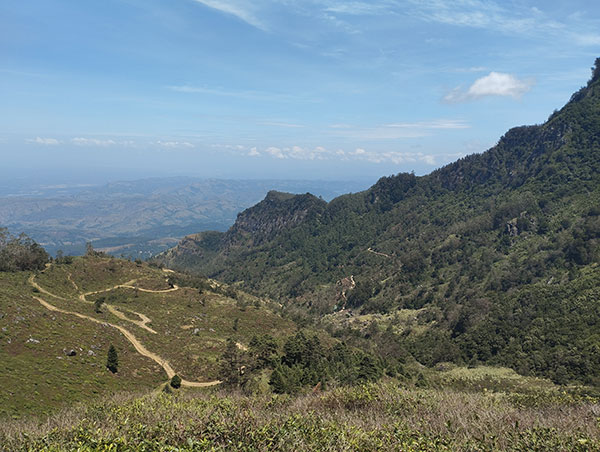
- Tea Plantations: Walk through vibrant green estates, where you may meet friendly tea pickers.
- U-Cut Bend: A dramatic hairpin turn offering stunning views of the hill country.
- Devil’s Bridge – a narrow crossing point locally named for its exposed position rather than any formal structure.
- Weli Wanguwa: A scenic viewpoint ideal for camping and panoramic vistas.
- Lanka Ella Falls: A unique waterfall with a pool shaped like Sri Lanka, great for relaxing.
- V-Cut: A historic channel cut into a hill, showcasing colonial engineering.
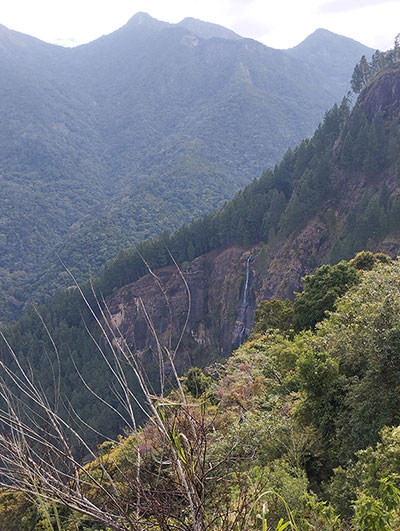
- Bambarakanda Falls: Sri Lanka’s tallest waterfall, at 263 meters, is perfect for a refreshing dip or a photo stop.
Alternative Ways to Explore
- Cycling: Mountain biking from Udaweriya Junction to Belihuloya is a thrilling option for experienced cyclists. Ensure your bike is suited for rugged terrain.
- 4WD Adventure: A 4WD vehicle can cover the trail in approximately 4 hours, making it ideal for those seeking less physical exertion.
- Camping: Campsites like Udaveriya or Weli Wanguwa offer a chance to stargaze and enjoy the tranquility of the highlands. Bring windproof gear, as strong winds are common in this area.
Nearby Attractions
- Horton Plains National Park: A UNESCO World Heritage Site with trails like World’s End, just 1.5 km from Ohiya.
- Lipton’s Seat: A scenic viewpoint in Haputale, about an hour from Ohiya, offering panoramic views.
- Diyaluma Falls: Sri Lanka’s second-tallest waterfall, accessible from the A4 Main Road.
- Adisham Bungalow: A historic monastery near Haputale, perfect for a cultural detour.
- Victoria Park, Nuwara Eliya
- Majestic Eagles Viewpoint in Nuwara Eliya
Safety and Practical Tips for Hiking Devil’s Staircase
- Wear sturdy hiking shoes (the path can be slippery).
- Carry water & snacks (no shops along the way).
- Hire a local guide if unsure of the route.
- Start early to avoid afternoon mist.
- Respect tea estate workers – stay on marked paths.
- Inform Others: Share your itinerary and expected return time with someone you trust.
- Stay Hydrated: Carry at least 2 liters of water per person, as there are few water sources along the trail.
- Respect Nature: Stick to the path to avoid damaging tea plantations or forests.
- Check Weather: Sudden rain or mist is common, so monitor forecasts and be prepared.
- Wildlife Awareness: Watch for birds and toque macaques, but avoid feeding them.
- Sufficient water and snacks
- Hiking boots or trail shoes
- Raincoat and warm clothing
- Navigation tools (GPS/Offline maps)
- First-aid kit
- Fully charged phone and power bank
- Trekking poles are optional but helpful on long downhill stretches, especially near Kalupahana
People Also Ask About Devil’s Staircase, Sri Lanka
1. Why is it called Devil’s Staircase?
The name comes from early drivers and estate workers who described the steep zigzag descent as ‘devilishly difficult’ rather than from folklore.
2. How challenging is the Devil’s Staircase hike?
Shorter sections can be completed in 2–3 hours, but the full Devil’s Staircase requires most of a day.
3. Can you do Devil’s Staircase and Lipton’s Seat together?
Yes! Many hikers combine both—start early and trek from Dambatenne Tea Factory to Lipton’s Seat via the Staircase.
4. Is Devil’s Staircase safe for solo travelers?
Yes, but it’s better to go with a guide or group, as the trail can be confusing in foggy weather.
5. What should I wear for the hike?
- Comfortable hiking shoes
- Light jacket (it gets chilly)
- Moisture-wicking clothing
6. Is Devil’s Staircase safe to hike?
Yes, but only for well-prepared travelers. It’s best hiked during the dry season, with proper gear and, ideally, a guide, due to unpredictable terrain and weather.
7. Can I drive on Devil’s Staircase?
Yes, but only with a 4×4 vehicle or dirt bike. The road is unpaved and extremely narrow in parts. An experienced driver is essential.
8. Do you need a permit to hike Devil’s Staircase?
No permits are required, but parts of the route pass near private tea estates. Staying on the main track avoids issues.
9. Is there mobile signal on the Devil’s Staircase?
Signal is unreliable. Expect brief connectivity near Ohiya and Kalupahana only.
10. How fit do you need to be?
If you can comfortably walk 15 km on uneven ground with elevation change, you’ll manage. If not, consider a partial hike.
11. Are there leeches on the trail?
During wet months, yes — mainly near forested sections. Dry season leech presence is minimal.
Videos
Final Thoughts
The Devil’s Staircase in Sri Lanka is more than just a trail — “It’s a demanding route through some of the least-modified highland terrain still accessible to travelers. With its panoramic mountain views, cascading waterfalls, and cultural touchpoints, it perfectly blends adventure with authenticity.
At Tour My Lanka, we encourage responsible travel — hire local guides, respect nature, and leave no trace. Whether you hike, drive, or cycle, the Devil’s Staircase promises a journey you’ll remember long after the mist clears.
If you’ve visited Devil’s Staircase in Sri Lanka, please share your experience in the comments below!
By Tour My Lanka Editorial Team
– promoting sustainable and authentic travel across Sri Lanka.
Last Updated: October 2025
Images By Tour My Lanka
Disclaimer: Ticket prices, opening hours, and transportation costs mentioned in this article may change due to seasonal or administrative updates. Please confirm with the relevant local authorities before visiting.