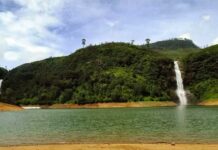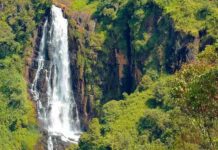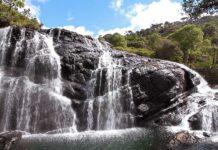

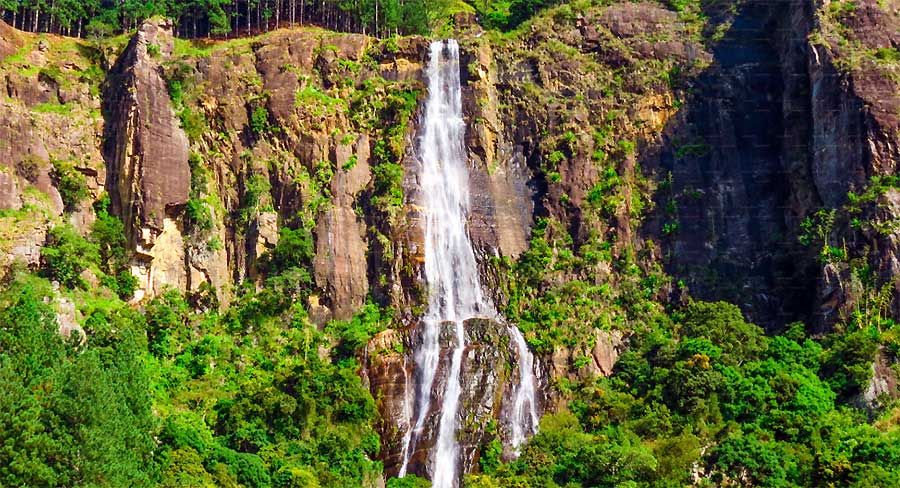
Sri Lanka is blessed with an extraordinary collection of waterfalls scattered across its central highlands, lush rainforests, and misty hill country. Among them, Bambarakanda Falls stands tall—quite literally—as Sri Lanka’s highest waterfall, plunging approximately 263 meters (863 feet). Hidden amidst pine forests and rugged mountain terrain, this breathtaking natural wonder is a must-visit destination for nature lovers, photographers, and travelers seeking a peaceful escape from busy city life.
Located in the Badulla District, near the small town of Kalupahana, Bambarakanda Falls offers visitors a perfect blend of scenic beauty, adventure, and serenity. Whether you are planning a dedicated waterfall trip or adding it to a hill-country itinerary, this comprehensive guide covers everything you need to know—from how to reach Bambarakanda Falls and the best time to visit, to nearby attractions, safety tips, and accommodation options.
Quick Facts About Bambarakanda Falls
- Name: Bambarakanda Falls
- Height: 263 meters (tallest waterfall in Sri Lanka)
- Location: Kalupahana, Badulla District, Sri Lanka
- Nearest Town: Haputale
- Water Source: Kuda Oya (a tributary of the Walawe River)
- Waterfall Type: Horsetail
- Access: Short forest trail walk
- Best Time to Visit: March to May & August to October
These quick facts make Bambarakanda Falls a popular search topic among both local and foreign travelers exploring Sri Lanka’s natural attractions.
Where Is Bambarakanda Falls Located?
Bambarakanda Falls is located in the Badulla District of Sri Lanka’s Uva Province, close to the village of Kalupahana. It lies along the A4 highway that connects Beragala and Wellawaya, making it relatively easy to access by road.
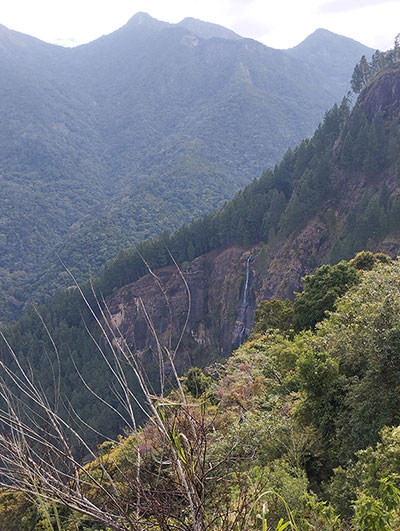
The waterfall is nestled within a scenic landscape of pine forests, rocky cliffs, and mist-covered mountains. It originates from Horton Plains, one of Sri Lanka’s most crucial highland ecosystems, before cascading down in a long, uninterrupted plunge.
Distance to Bambarakanda Falls from Major Cities
- Colombo to Bambarakanda Falls: ~210 km
- Haputale to Bambarakanda Falls: ~15 km
- Bandarawela to Bambarakanda Falls: ~30 km
- Wellawaya to Bambarakanda Falls: ~27 km
Its location makes Bambarakanda Falls an excellent stop for travelers exploring Haputale, Bandarawela, or the southern hill-country region.
How to Reach Bambarakanda Falls
Reaching Bambarakanda Falls is pretty straightforward, with good road access and clear signboards from the main highway.
How to Reach Bambarakanda Falls from Colombo
From Colombo, travelers can take the following route:
Colombo → Ratnapura → Balangoda → Beragala → Kalupahana
This scenic drive passes through tea estates, mountain passes, and rural villages. The journey usually takes 6–7 hours, depending on traffic and weather conditions.
You can travel by:
- Private vehicle
- Taxi
- Public buses heading towards Wellawaya or Badulla (get down at Kalupahana)
How to Reach from Haputale or Bandarawela
- From Haputale: About 30 minutes by car or tuk-tuk
- From Bandarawela: Around 1 hour by road
Bambarakanda Falls is well signposted along the A4 road, making it easy to locate.
Walking Trail to the Waterfall
Once you reach the entrance, visitors must walk along a well-defined forest trail for approximately 15–20 minutes to reach the base of the waterfall. The path is mostly flat but can be slippery during rainy weather, so proper footwear is recommended.
Best Time to Visit Bambarakanda Falls
Choosing the right time to visit Bambarakanda Falls can significantly enhance your experience.
Best Months to Visit
- March to May: Moderate water flow and clear weather
- August to October: Lush greenery and pleasant temperatures
Monsoon Considerations
During the southwest and northeast monsoons, the waterfall becomes more powerful and dramatic. However, heavy rainfall can make the trail slippery and unsafe. Swimming is strongly discouraged during these periods.
Best Time of Day
- Morning (8:00 AM – 11:00 AM): Best light for photography
- Fewer crowds and cooler temperatures
What Makes Bambarakanda Falls Special?
Bambarakanda Falls is not just another waterfall—it is a natural landmark of national significance.
Tallest Waterfall in Sri Lanka
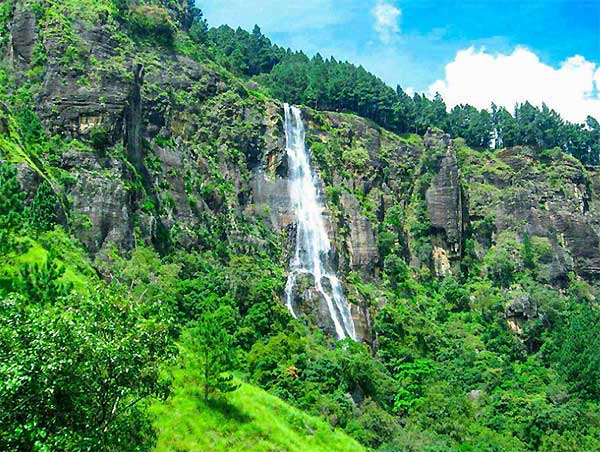
With a height of 263 meters, Bambarakanda Falls holds the title of Sri Lanka’s tallest waterfall, making it a bucket-list destination for waterfall enthusiasts.
Unique Horsetail Formation
Unlike multi-tiered waterfalls, Bambarakanda Falls flows in a single, narrow stream that maintains contact with the rock face, creating a graceful “horsetail” effect.
Pristine Natural Surroundings
The surrounding pine forest and mountainous terrain create a peaceful atmosphere, ideal for relaxation and nature appreciation.
Things to Do at Bambarakanda Falls
Although the waterfall itself is the main attraction, there are several activities visitors can enjoy in the area.
Enjoy the Scenic Beauty
Simply sitting near the waterfall and enjoying the misty breeze is a rewarding experience, especially for travelers seeking tranquility.
Nature Photography
Bambarakanda Falls is a favorite spot for landscape and nature photographers. The height, surrounding forest, and shifting light conditions offer endless creative opportunities.
Short Nature Walks
The forest trail leading to the waterfall is ideal for a short walk, allowing visitors to experience Sri Lanka’s hill-country flora and fauna.
Relax and Unwind
The calm environment makes Bambarakanda Falls a great place to unwind away from urban noise and stress.
Safety Tips for Visiting Bambarakanda Falls
Safety is essential when visiting natural attractions like waterfalls.
- Avoid swimming during periods of heavy rain
- Do not climb slippery rocks near the waterfall
- Follow local guidance and posted signs
- Keep children under close supervision
- Wear proper footwear with a good grip
Taking basic precautions ensures a safe and enjoyable visit.
Entrance Fees and Opening Hours
Entrance Fees
- Local visitors: A small nominal fee
- Foreign visitors: Slightly higher fee
(Fees may change, so it’s best to carry cash.)
Opening Hours
- Typically open from 8:00 AM to 5:00 PM
Nearby Attractions to Visit
Visiting Bambarakanda Falls can be combined with several nearby attractions, making it ideal for a multi-day itinerary.
Lanka Ella Waterfall
A beautiful waterfall located close to Bambarakanda, known for its wide cascade and scenic setting.
Diyaluma Falls
Sri Lanka’s second-highest waterfall is famous for its natural infinity pools.
Haputale Viewpoints
Enjoy panoramic views of tea estates, valleys, and distant mountain ranges.
Horton Plains National Park
A UNESCO World Heritage Site featuring World’s End, Baker’s Falls, and unique highland biodiversity.
Devil’s Staircase
The Devil’s Staircase is a narrow, steep, zigzagging trail located between Ohiya and Kalupahana.
Belihuloya
Belihuloya is a peaceful mountain village where misty hills meet rushing rivers.
Where to Stay Near Bambarakanda Falls
There are several accommodation options near Bambarakanda Falls, catering to different budgets.
Budget Accommodation
- Guesthouses in Kalupahana
- Budget stays in Haputale
Mid-Range Hotels
- Eco lodges surrounded by nature
- Boutique hotels with mountain views
Luxury Options
- High-end hotels in Haputale offering panoramic views and modern comforts
Staying overnight allows you to enjoy the waterfall during quieter morning hours.
Travel Tips for Visiting Bambarakanda Falls
- Wear comfortable clothing and sturdy shoes
- Carry drinking water and light snacks
- Bring insect repellent
- Check weather conditions before traveling
- Respect nature and avoid littering
Responsible travel helps preserve Bambarakanda Falls for future generations.
Photography Tips for Bambarakanda Falls
- Use a wide-angle lens to capture the full height
- Morning light provides softer shadows
- Tripods help in low-light conditions
- Avoid drone use unless officially permitted
Videos
Environmental Importance and Conservation
Bambarakanda Falls is part of Sri Lanka’s fragile hill-country ecosystem. Visitors are encouraged to practice responsible and sustainable tourism by minimizing waste, respecting wildlife, and following local regulations.
Protecting natural landmarks like Bambarakanda Falls ensures that they remain unspoiled for generations to come.
FAQ About Bambarakanda Falls
1. Is Bambarakanda Falls the tallest waterfall in Sri Lanka?
Yes, Bambarakanda Falls is officially recognized as Sri Lanka’s tallest waterfall.
2. Can you swim at Bambarakanda Falls?
Swimming is not recommended, especially during the rainy season, due to strong currents and slippery rocks.
3. How long does it take to walk to Bambarakanda Falls?
The walk from the entrance to the waterfall takes about 15–20 minutes.
4. Is Bambarakanda Falls suitable for families?
Yes, with proper supervision and safety precautions, families can enjoy visiting the waterfall.
Final Thoughts – Why You Should Visit Bambarakanda Falls
Bambarakanda Falls is one of Sri Lanka’s most impressive natural attractions, offering visitors a rare opportunity to witness the country’s tallest waterfall in a serene and scenic setting. Its combination of accessibility, natural beauty, and peaceful surroundings makes it a must-visit destination for anyone exploring Sri Lanka’s hill country.
Whether you are a first-time visitor or a seasoned traveler, a trip to Bambarakanda Falls promises unforgettable memories, stunning photographs, and a deeper appreciation for Sri Lanka’s rich natural heritage.
If you’ve visited Bambarakanda Falls or plan to explore it soon, feel free to share your experience in the comments below and inspire other travelers to discover this incredible destination.
By Tour My Lanka Editorial Team
– promoting sustainable and authentic travel across Sri Lanka.
Last Updated: December 2025
Always check current conditions with local authorities or your accommodation before visiting, as trail access and water levels can change.
Images in this article are for illustration purposes and sourced from royalty-free platforms such as Pixabay and Unsplash.