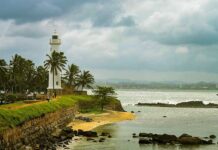

The Underwater Museum in Galle is situated at a depth of approximately 50 feet within Galle Harbor. All the creations here are made entirely of eco-friendly materials, and the heroic naval personnel specially design each one. The Underwater Museum in Galle has become a thriving breeding ground for numerous aquatic creatures, serving as a testament to the success and hard work of the Sri Lankan Navy. You can visit the Galle Museum during the North-East monsoon season.
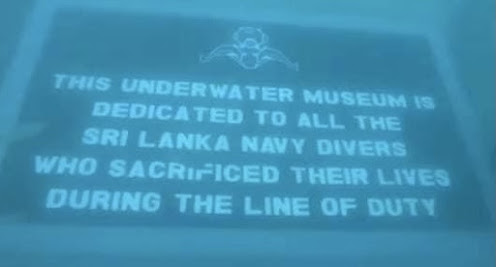
Depth of the Underwater Museum Galle
The Underwater Museum of Sri Lanka, located in Galle, is situated 50 Feet / 15 Meters deep in the sea.
Opening Hours Underwater Museum Galle
The Galle Underwater Museum is now open to the public and is accessible 365 days a year. However, it is not recommended to visit from May to September, as this is the off-season for the southern coast, characterized by rough seas. Visiting the Galle Underwater Museum from November 1st to April 30th each year is recommended.
Who manages the Underwater Museum in Galle?
The Sri Lanka Navy constructed this, but now it is open to the General public, and no direct naval administration is involved. However, please ensure that you access this area with a registered boating company or diving school, as it is a high-security zone under the Southern Naval Command of the Sri Lanka Navy.
How to visit the Underwater Museum in Galle?
This museum is located 15 meters underwater, and a recognized diving school must properly train you to visit the underwater museum. You must also hold a PADI Open Water license.
What to Expect at the Underwater Museum in Galle
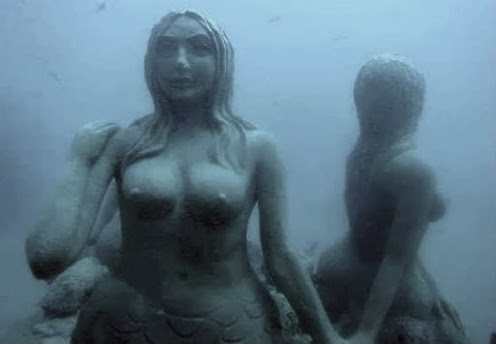
The museum showcases intricately designed sculptures, including depictions of historical figures, Sri Lankan heritage, and marine-inspired art. These sculptures serve a dual purpose – they not only provide a cultural spectacle but also act as a foundation for coral growth, supporting the region’s marine biodiversity. Over time, these statues have become home to vibrant coral formations, schools of fish, and other aquatic creatures.
Some of the most striking sculptures include:
- Figures representing Sri Lankan history and mythology
- Marine creatures sculpted in lifelike detail
- Abstract and contemporary art pieces designed to enhance marine biodiversity
Diving and Snorkeling Experience
Whether you’re an experienced diver or a beginner, the Galle Underwater Museum is an exciting location to explore—several PADI-certified diving centers in Galle offer guided tours to the site. The best time to visit is during the dry season (December to April) when visibility underwater is at its peak.
For those who are not yet certified divers, snorkeling tours provide an opportunity to explore the shallow areas of the museum. While you may not get as close to the sculptures as divers, you can still observe the mesmerizing marine life that thrives around them.
What Most Visitors Don’t Realize Before Diving at the Underwater Museum in Galle
Most online guides describe what the Underwater Museum is – but very few explain how it actually feels to dive there compared to Sri Lanka’s natural reefs.
Unlike open reef dives in Unawatuna or Hikkaduwa, the Galle Underwater Museum sits inside a working harbor environment. This creates a noticeably different underwater atmosphere: calmer surge on good days, limited background reef noise, and a slightly muted color palette depending on recent ship movement.
For first-time visitors, this often comes as a surprise — not in a negative way, but as a reminder that this is a curated marine space, not untouched wilderness. The experience is slower, more observant, and better suited for divers who enjoy studying details rather than covering distance.
Local dive instructors often describe it as a “thinking dive” rather than an adrenaline dive.
Visibility Reality Check: What You’ll Actually See (Season by Season)
Many blogs promise “excellent visibility,” but local conditions around Galle Harbor are more nuanced.
- December to March: Best overall clarity. On calm mornings, visibility can reach 8–10 meters, enough to clearly appreciate facial details of sculptures and coral buildup.
- Late April: Visibility fluctuates daily. Early dives are noticeably clearer than afternoon sessions.
- May to September: Even when boats operate, visibility is often reduced due to sediment movement inside the harbor – this is why most reputable dive schools quietly discourage visits during this period.
👉 Pro tip from local operators: Ask for first-boat departures. Early morning dives almost always offer better conditions than midday trips.
How the Sculptures Are Changing Over Time (An Ongoing Process)
One detail rarely mentioned online is that the museum does not look the same year to year.
Some statues that were once sharply defined now have:
- soft coral growth along shoulders and arms
- algae layering on horizontal surfaces
- small reef fish using crevices as shelter
This gradual transformation is intentional. The Navy and marine planners did not aim to preserve the sculptures visually forever — they expected them to evolve.
For repeat visitors, this makes the museum uniquely rewarding: it becomes less about “art” and more about watching nature reinterpret human forms.
Is the Underwater Museum Worth It If You’re Not a Strong Swimmer?
This is a genuine concern among local and foreign travelers, but rarely addressed clearly.
If you:
- are not a confident swimmer,
- have never dived before, or
- feel uneasy in open water,
the museum can still be accessible only through a Discover Scuba Diving program, not snorkeling alone.
However, it’s important to set expectations:
- You will be fully assisted
- The experience is shorter
- Your focus will be on safety and basic control rather than exploration
For many first-time divers in Sri Lanka, this becomes a confidence-building dive, not a sightseeing-heavy one – and that’s perfectly fine.
Ethical Diving Notes Most Tourists Never Hear
Responsible dive operators in Galle quietly follow a few unwritten rules that visitors should know:
- No fin contact with statues, even accidentally
- No “posing” on sculptures for photos
- No touching coral growth, even if it appears dead
Some older online photos show divers sitting or holding statues — this is now discouraged and increasingly refused by ethical operators.
If a dive shop encourages physical interaction with the sculptures, it’s a sign to reconsider your choice.
Who This Experience Is Best For (And Who Might Skip It)
Well-suited for:
- Divers interested in artificial reefs
- Travelers curious about Sri Lanka Navy conservation projects
- Repeat visitors who’ve already explored natural reefs
- Photography-focused divers comfortable with low-light conditions
Might not satisfy:
- Thrill-seeking divers expecting drift dives
- Visitors looking for colorful reef density like Hikkaduwa
- Travelers limited to snorkeling only
Marine Conservation Efforts
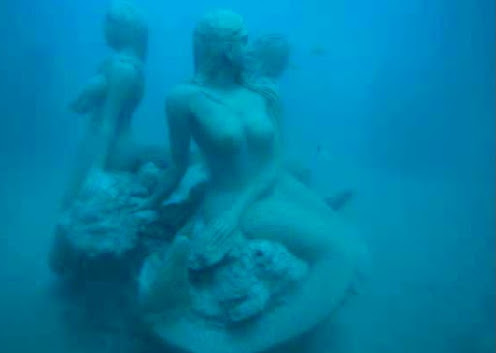
One of the main objectives of the underwater museum is to promote marine conservation. The Sri Lanka Navy carefully designed and placed the sculptures to act as artificial reefs, encouraging coral growth and aquatic biodiversity. The initiative plays a crucial role in restoring marine habitats and educating visitors about the importance of ocean conservation.
Why Visit the Underwater Museum Galle?
- A Unique Blend of Art and Nature
The museum’s sculptures are not only visually stunning but also designed to encourage coral growth and provide a habitat for marine life. As you dive or snorkel through the site, you’ll witness how art and nature coexist harmoniously, creating a surreal underwater landscape.
- Marine Conservation Efforts
The museum plays a vital role in protecting the ocean’s ecosystem. Creating an artificial reef helps reduce pressure on natural coral reefs and provides a haven for fish and other marine species. Visitors can learn about the importance of marine conservation and how such initiatives contribute to preserving biodiversity.
- A Glimpse into Sri Lanka’s History
The sculptures and installations are inspired by Sri Lanka’s rich cultural heritage, including its colonial past and ancient traditions. From replicas of historic artifacts to depictions of local folklore, the museum offers a fascinating journey through the island’s history.
- An Unforgettable Diving Experience
Whether you’re a seasoned diver or a beginner, the Underwater Museum offers an unparalleled diving experience. The clear waters of Galle provide excellent visibility, allowing you to fully appreciate the intricate details of the sculptures and the vibrant marine life that surrounds them.
Tips for Visiting the Underwater Museum in Galle
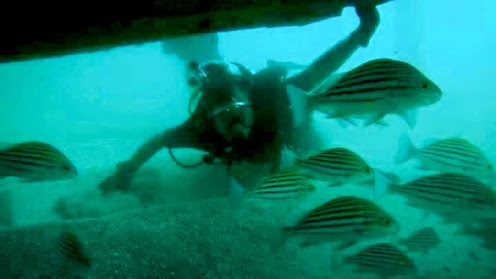
- Choose a Reputable Dive Operator: Ensure that your dive operator follows sustainable practices and prioritizes safety.
- Respect the Marine Environment: Please refrain from touching the sculptures and avoid disturbing the marine life.
- Bring an Underwater Camera: Capture the beauty of the museum and its inhabitants, but remember to use eco-friendly sunscreen to protect the reef.
- Learn About Marine Conservation: Take the opportunity to educate yourself about the importance of protecting our oceans.
FAQ
1. Is the Underwater Museum in Galle suitable for beginners?
Yes, but only through a Discover Scuba Diving program with a certified dive school. Complete beginners cannot visit the Underwater Museum independently. You’ll be guided by an instructor throughout the dive, and the experience is more controlled and calm compared to open reef dives. Snorkeling alone is usually not sufficient to view the sculptures properly.
2. Do you need a diving license to visit the Underwater Museum Galle?
Yes, a PADI Open Water certification is required for certified dives.
If you are not licensed, you can still visit the site by enrolling in a Discover Scuba Diving experience with a registered dive operator in Galle.
3. Can you snorkel at the Underwater Museum in Galle?
Snorkeling is limited and conditions-dependent. The sculptures are located at around 15 meters (50 feet), which is beyond comfortable snorkeling depth. Some tours allow surface observation on exceptionally calm days, but snorkeling does not offer a full museum experience.
4. What is the best time of year to visit the Underwater Museum Galle?
The best time is from November to April, during the southern coast’s calm season. Sea conditions are more stable, and underwater visibility is generally better. Visits are not recommended from May to September due to rough seas and reduced clarity.
5. How long does a dive at the Underwater Museum take?
The actual dive time is usually 20 to 30 minutes, depending on conditions and diver experience. Including preparation, briefing, and boat travel, the full experience typically takes 2 to 3 hours.
6. Where exactly is the Underwater Museum located in Galle?
The museum is located inside Galle Harbor, not in open sea. Because it lies within a high-security naval zone, access is strictly regulated and allowed only through approved diving schools or licensed boat operators.
7. Is the Underwater Museum in Galle safe?
Yes, when visited through a registered dive operator. The site is carefully monitored, and diving is conducted under controlled conditions. Independent access is not allowed due to both safety and security regulations.
8. What kind of marine life can you see at the Underwater Museum?
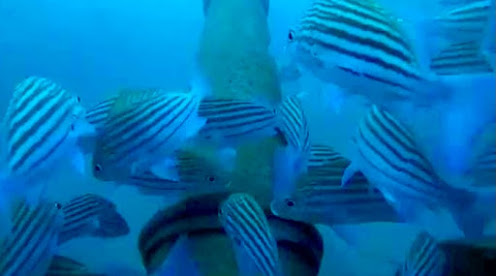
Visitors commonly see reef fish, small groupers, moray eels, crustaceans, and coral growth forming on the sculptures. While it is not as biodiverse as natural reefs, the site functions as an evolving artificial reef.
9. Is the Underwater Museum worth visiting compared to natural reefs in Sri Lanka?
The experience is different rather than better or worse. Natural reefs like Hikkaduwa offer more coral diversity, while the Underwater Museum provides a slow, contemplative dive focused on art, structure, and marine adaptation. It’s best suited for travelers seeking something unique.
10. Can children visit the Underwater Museum in Galle?
Children can participate only if they meet minimum age and safety requirements set by dive schools (usually 10 years and above for supervised programs). Snorkeling-only visits are generally not suitable for younger children due to depth and conditions.
11. Who built the Underwater Museum in Galle?
The Underwater Museum was created by the Sri Lanka Navy as a marine conservation and artificial reef initiative. While it is now open to the public, the area remains under naval jurisdiction.
12. Are photos allowed at the Underwater Museum?
Yes, underwater photography is allowed, provided it is done responsibly. Touching or posing on sculptures is discouraged to protect marine growth. Most dive operators encourage hands-free, low-impact photography only.
13. Is the Underwater Museum in Galle crowded?
No. Access is controlled, and only a limited number of divers are allowed at a time. This makes the experience quieter and less crowded compared to popular reef sites near tourist beaches.
Videos
Location
Final Thoughts
The Underwater Museum in Galle is more than just a tourist attraction; it’s a testament to the power of creativity and innovation in addressing environmental challenges. By visiting this unique site, you’re not only immersing yourself in Sri Lanka’s history and culture but also contributing to the preservation of its marine ecosystem.
So, pack your diving gear and get ready to explore this underwater wonderland. Whether you’re marveling at the sculptures, swimming alongside colorful fish, or learning about marine conservation, the Underwater Museum in Galle promises an experience like no other.
If you’ve visited Underwater Museum in Galle, feel free to share your experience in the comments below and inspire other travelers to discover this incredible destination.
By Tour My Lanka Editorial Team
– promoting sustainable and authentic travel across Sri Lanka.
Last Updated: December 2025
Images in this article are for illustration purposes and sourced from royalty-free platforms such as Pixabay and Unsplash.