
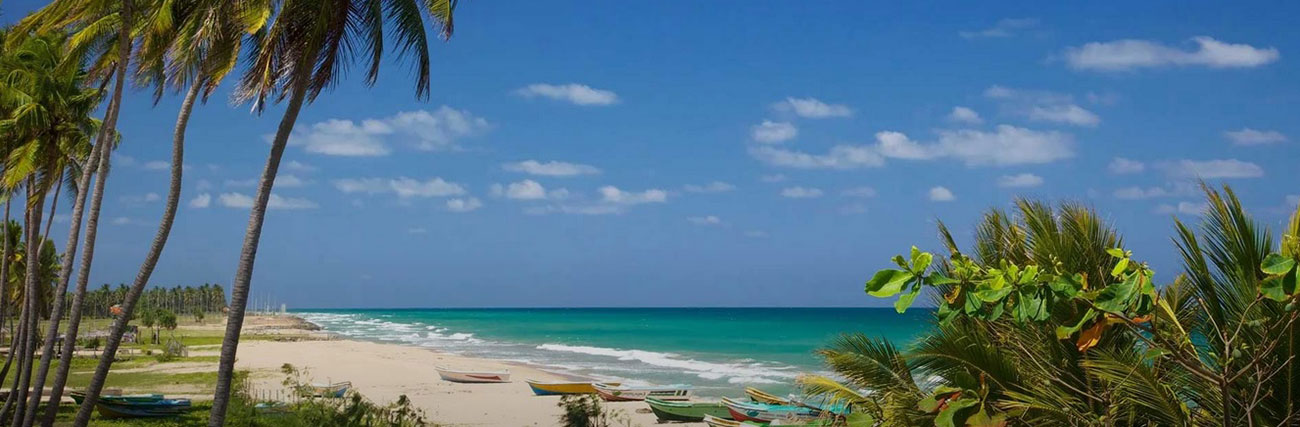
Trincomalee, a breathtaking coastal city on Sri Lanka’s eastern shore, combines pristine beaches, ancient temples, and rich marine life. Whether you’re here for relaxation, culture, or adventure, Trincomalee offers a one-of-a-kind travel experience.
This complete travel guide by Tour My Lanka highlights the best places to visit — from sacred landmarks like Koneswaram Temple and Fort Frederick to hidden gems such as Marble Beach, Nilaveli, and Pigeon Island.
This guide is based on destination research and on-ground travel observations across Sri Lanka’s east coast.
- Kantale Tank
- Kanniya Hot Water Springs
- Vilgam Wehera Maha Seya
- Girihandu Seya
- Nilaveli Beach
You can explore the following places within the Trincomalee City Limits
- Fort Frederick
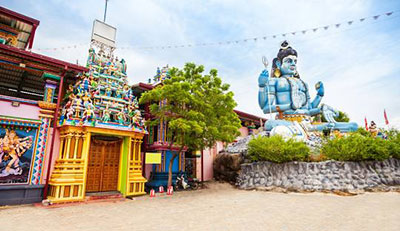
- Sri Thirukoneswaram Kovil
- Lovers Leap or Ravana’s Cut
- Gokanna Raja Maha Viharaya
- Maritime and Naval History Museum
- Naval Museum
- Navy Underwater Dive Museum
- Army Museum Orr’s Hill
- Trincomalee Lagoon Park
- Trincomalee Harbour
- Trincomalee Town Beach
- Commonwealth War Cemetery
Is it worth visiting Trincomalee?
It is worth visiting for its stunning beaches, rich history, and vibrant culture. From the serene beaches of Nilaveli and Uppuveli to the iconic Koneswaram Temple and historic Fort Frederick, the city offers a unique blend of natural beauty and cultural heritage, making it a must-see destination in Sri Lanka.
Why is Trincomalee famous for?
It is renowned for its pristine beaches, including Nilaveli and Uppuveli, as well as its deep natural harbor, one of the finest in the world. The city is also renowned for its cultural landmarks, including the Koneswaram Temple, its rich colonial history, and its thriving marine life, making it a hotspot for snorkeling, whale watching, and diving.
Top Places to Visit Within Trincomalee City
Fort Frederick
Fort Frederick is a beautiful historical fort. There’s nothing much to do here, only visit the Sri Thirukoneswaram temple inside the fort, but you can click some lovely photos outside the fort or sit at the fort and enjoy the Dutch Bay view.
Sri Thirukoneswaram Kovil
Lovers Leap – Ravana’s Cut
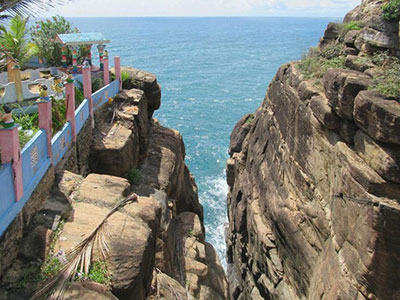
Located near the sacred Thirukoneswaram Kovil, this scenic cliff offers dramatic views of the ocean and the coastline below. The site is also tied to local legends and folklore, adding a touch of mystery to the breathtaking landscape.
Gokanna Raja Maha Viharaya
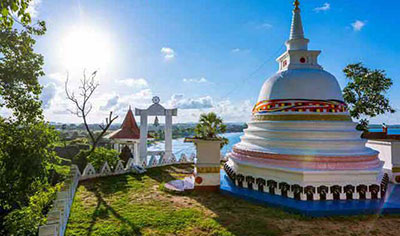
While visiting Fort Frederick, stopping at Gokanna Raja Viharaya and the viewpoint is well worth it. The views of Trincomalee and Uppuveli Beach are incredible from here.
Museums in Trincomalee
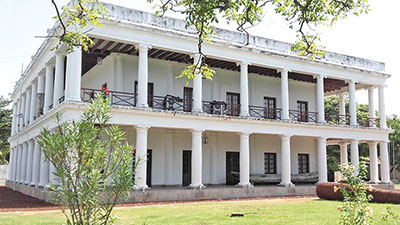
1. Maritime and Naval History Museum
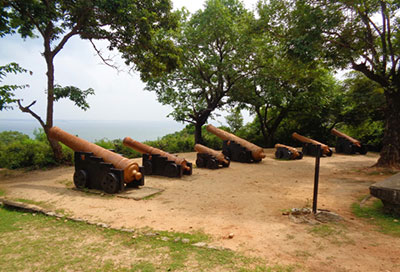
2. Naval Museum
3. Navy Underwater Dive Museum
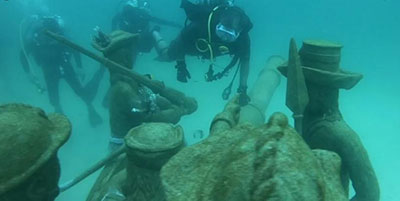
The Navy Underwater Dive Museum, established by the Sri Lanka Navy in 2020, is located beneath Trincomalee Harbour.
This unique underwater attraction features two sunken gunboats adorned with encrusting corals and algae, providing habitats for a variety of marine species, including groupers and batfish. Surrounding the wrecks, visitors can explore an array of sculptures and military equipment crafted from eco-friendly materials that promote coral growth and marine biodiversity. The Museum is situated at a depth of approximately 18 meters (59 feet). It spans an area of 150 feet in length and 85 feet in width, offering a distinctive diving experience that combines maritime history with environmental conservation.
4. Army Museum Orr’s Hill
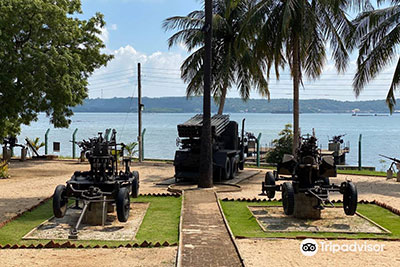
The Orr’s Hill Army Museum is a military museum located at Plantain Point, within the 22nd Army Division Headquarters in Trincomalee. It is a well-maintained outdoor museum. This military Museum boasts a vast collection of war memorials and related exhibits, including tanks used in wartime. The guides provide very detailed descriptions of the exhibits, along with a brief history of the past war.
Trincomalee Lagoon Park
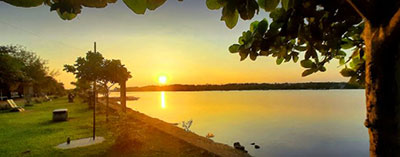
The park offers comfortable seating and a refreshing atmosphere, making it a pleasant place to experience the lagoon’s natural beauty.
Trincomalee Harbour
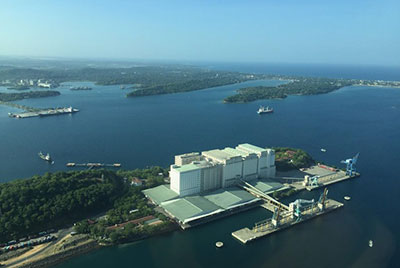
Trincomalee Harbour is the third-largest natural Harbour in the world and was once a legend.
Trincomalee is famous for its three bays: Back Bay, Dutch Bay, and the Inner Harbour. The Harbour consists of 1630 hectares of water and 5261 hectares of land.
Commonwealth War Cemetery
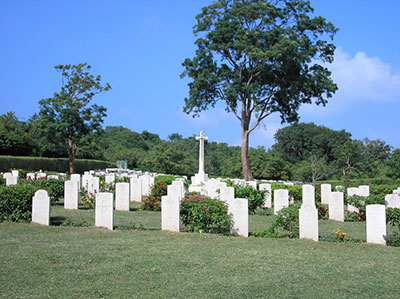
The Commonwealth War Cemetery is well-maintained, located approximately 6 kilometers north of Trincomalee town, and was built in remembrance of troops who perished in the Second World War between 1939 and 1945. The Commonwealth War Cemetery is one of Sri Lanka’s six war cemeteries, and it holds the graves of 364 troops who died in 1942 during Japanese aerial attacks.
Buddhist Temples in Trincomalee
1. Vilgam Wehera Maha Seya
2. Lankapatuna Samudragiri Viharaya
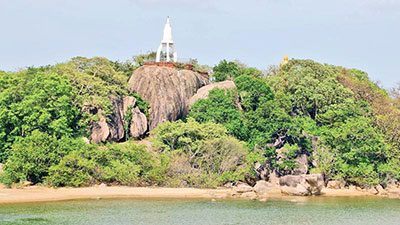
3. Girihandu Seya
Naval Headworks Sanctuary
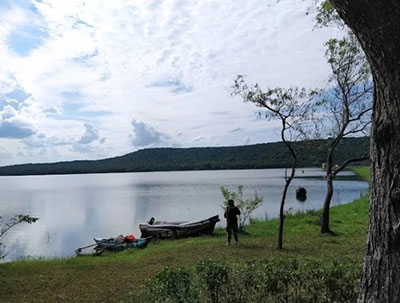
Cod Bay Fisheries Harbor
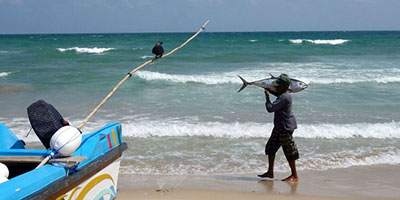
Ceylon Fishery Harbours Corporation has the only natural Harbour in the country, Cod Bay Fishery Harbour. The Harbour was built as a deep-sea fishing port for trawlers operating in the Pedro Bank as well as multi-day boats. From 1990 to 1998, the Harbour was not in use.
Sampoor Lighthouse
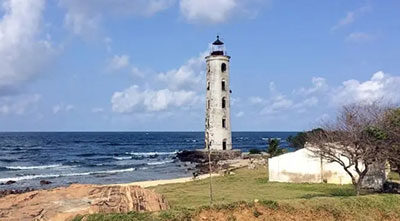
Kantale Tank
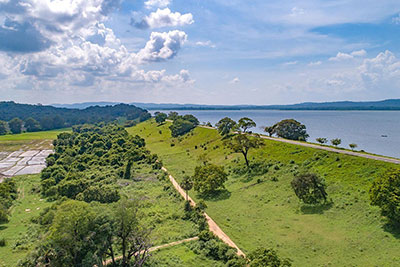
Kantale is a town in the eastern Sri Lankan district of Trincomalee. The settlement is 38 kilometers (24 miles) south of Trincomalee.
Kantale Tank, also known as “Gangathala Vapi,” is said to have been erected by Aggabodhi II (606-618) and then renovated and developed by Parakramabahu the Great, according to the ancient chronicle Mahavamsa (1153-1186). The total area is 3,750 hectares. It was built to irrigate agriculture in this arid region.
The Kantale Tank, one of Sri Lanka’s oldest reservoirs, supplies water to a large region of Trincomalee and surrounding areas, supporting paddy and sugarcane fields as well as human consumption.
Kanniya Hot Water Springs
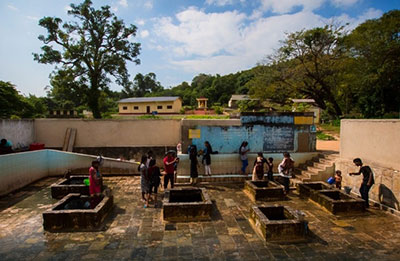
The Kanniya Hot Water Springs are a site with hot wells located in Trincomalee, Sri Lanka. Here you can find seven wells. The temperature is somewhat high, but it varies slightly from one spring to another.
Beaches in Trincomalee
1. Trincomalee Town Beach
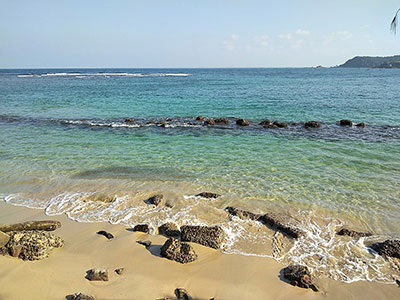
Trincomalee Town Beach, located in the heart of Trincomalee, Sri Lanka, is a popular destination renowned for its expansive stretches of golden sand and crystal-clear blue waters. The beach is perfect for swimming, sunbathing, and strolls along the shore. Its proximity to the town makes it easily accessible for both locals and tourists.
2. Marble Beach
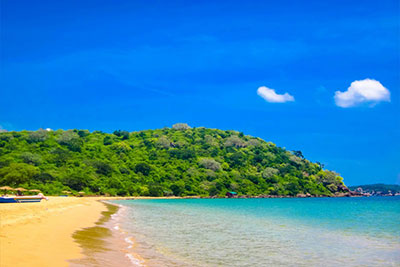
3. Green Bay Beach
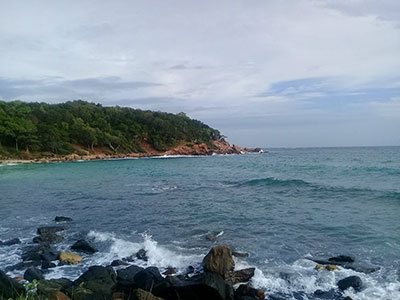
Green Bay Beach is a natural haven, a serene beach. The natural beauty of the place remains unchanged because it is not open to the general public. The water at this beach is crystal clear and clean.
4. Kuchchaveli Beach
5. Nilaveli Beach
A beach that has managed to attract tourists. But it decreases during some periods of the year. Safe for bathing. You can reach in about 30 minutes from Trincomalee city. Pigeon Island is also located near this beach. There are numerous scuba-diving destinations in this area.
6. Uppuveli Beach
Uppuveli Beach is famous for its calm waters and suitable conditions for diving and snorkeling. The beach features clear, white sand, which enhances its overall beauty.
7. Dutch Bay Beach
Dutch Bay is a bay situated at the center of Trincomalee, featuring clean, golden sand and turquoise water that spans several kilometers.
Swimming is possible despite sometimes dangerous undertows. You can go jogging, stroll on the beach, or indulge in the tropics with ice cream or seafood, such as barbecued crabs and lobsters, from local vendors.
8. Coral Cove Beach
Coral Cove Beach is a scenic beach located on the eastern coast, near Trincomalee. It is renowned for its coral formations and is a popular spot for snorkeling enthusiasts. It is one of the most picturesque, tranquil, and family-friendly beaches in Trincomalee.
The Quiet Rhythms of Trincomalee Most Travelers Miss
(A local pace perspective — not found in typical guides)
Trincomalee doesn’t reveal itself through attractions alone — it reveals itself through timing.
Between 5:30 AM and 7:00 AM, the town operates in a different rhythm. Fishermen return to shore near Dutch Bay, small tea stalls open near junctions, and locals quietly queue for string hoppers wrapped in newspaper. If you only experience Trincomalee between breakfast buffets and sunset cocktails, you miss its most authentic layer.
A simple morning routine worth trying:
- Wake early and walk near Dutch Bay
- Observe the fish sorting (locals won’t mind if you stand back respectfully)
- Have plain milk tea and a short eat (snack) from a roadside shop — not a café
This is when Trincomalee feels lived-in, not visited.
The Sea Is Calm – But It Is Not Predictable
(What locals know about Trincomalee’s waters)
Many blogs describe Trincomalee’s sea as “safe and calm.” That’s only partially true.
Local swimmers understand something visitors often don’t:
The sea changes personality by time of day, not just by season.
- Early mornings (6–9 AM): safest swimming window
- Midday: currents begin to shift, even if waves look small
- Late afternoon: deceptively strong undertows in some bays
Beaches like Nilaveli Beach and Uppuveli Beach are generally safe, but locals rarely swim far out. They float, wade, and stay parallel to shore.
If you want a “pool-like” experience, Marble Beach is the most forgiving, which explains why families favor it.
Trincomalee’s Food Culture Is Subtle – and That’s Its Strength
(What to eat when menus don’t explain much)
Unlike Colombo or Galle, Trincomalee doesn’t showcase its food aggressively.
There are fewer “signature dishes” — but exceptional everyday cooking.
What experienced travelers notice:
- Seafood curries here use less oil, more tamarind
- Crab is often cooked very simply – no heavy spice masks
- Tamil-style vegetarian food is quietly excellent, especially breakfasts
If a small restaurant doesn’t have a printed menu, that’s often a good sign. Ask what’s available rather than what’s popular. Locals order what’s freshest that day — not what’s advertised.
A Respectful Note on Sacred Spaces (That Visitors Often Overlook)
Trincomalee is one of the few places in Sri Lanka where Hindu temples, Buddhist viharas, churches, and mosques exist within minutes of each other — and locals are deeply sensitive about respect.
At Sri Thirukoneswaram Kovil, dress modestly even if no one corrects you.
At Gokanna Raja Maha Viharaya, silence is valued more than photos.
What matters most here isn’t strict rules — it’s awareness. Travelers who behave quietly are often met with unexpected kindness.
Common Mistakes First-Time Visitors Make in Trincomalee
This section alone can significantly improve trust and originality.
- Over-planning days: Trincomalee rewards slow days, not packed itineraries
- Ignoring midday heat: outdoor sightseeing between 12–3 PM is exhausting
- Expecting nightlife: evenings are calm, family-oriented, and early
- Assuming tuk-tuks know every beach: some hidden beaches require clear directions
A good Trincomalee day often has one main plan, not five.
Who Trincomalee Is Not For
(Honest clarity — builds reader trust)
Trincomalee may not be ideal if you:
- Want nightlife, clubs, or beach parties
- Prefer luxury shopping or polished city experiences
- Expect fast service everywhere
- Need constant entertainment
But if you value space, silence, sea air, and cultural depth, Trincomalee fits naturally.
Where to go after Trincomalee?
Day Trips from Trincomalee
- Trincomalee to Sigiriya.
- Trincomalee to Wilpattu National Park.
- Trincomalee to Nilaveli.
- Trincomalee to Polonnaruwa.
- Trincomalee to Minneriya.
- Trincomalee to Anuradhapura.
Videos
FAQ
(These are intentionally phrased the way users type into Google, not like brochure FAQs.)
1. Is Trincomalee safe for tourists right now?
Yes — Trincomalee is generally safe for both foreign and local travelers. The city has a visible security presence, especially around public beaches, religious sites, and museums. Violent crime involving tourists is extremely rare.
That said, common-sense precautions apply. Avoid swimming in unfamiliar spots late in the day, don’t leave valuables unattended on beaches, and confirm transport prices before long tuk-tuk rides. Most travelers report feeling more relaxed here than in busier southern beach towns.
2. How many days do you actually need in Trincomalee?
Three full days is ideal for most travelers.
Day 1: City sights, temples, museums, and Dutch Bay
Day 2: Nilaveli or Uppuveli + snorkeling or boat trip
Day 3: Slow beach morning, Kantale Tank or Kanniya Springs
Staying longer makes sense if you enjoy slow travel, beach walks, or early mornings by the sea. Trincomalee is not a “rush-through” destination — it rewards time.
3. Is Trincomalee better than Mirissa or Unawatuna?
It depends on what you want.
Trincomalee is quieter, less commercial, and more culturally layered. Mirissa and Unawatuna offer better nightlife, cafes, and tourist infrastructure. If you prefer space, calm beaches, and fewer crowds, Trincomalee often feels more authentic.
Many travelers combine Trincomalee with a southern beach later in the trip for balance.
4. Can you swim safely in the Trincomalee beaches?
Yes — but timing matters.
Early mornings are safest, especially at Nilaveli, Uppuveli, and Marble Beach. Afternoon currents can be stronger than they appear, even when the sea looks calm. Locals tend to swim parallel to shore rather than far out.
If no locals are swimming, it’s a good signal to stay cautious.
5. Is Trincomalee suitable for families with children?
Yes, particularly for families who prefer calm environments.
Beaches like Marble Beach and Coral Cove are well-suited for children, and the city is less chaotic than Colombo or Kandy. Museums and lagoon parks are relaxed and educational.
Families should plan outdoor activities for mornings and keep afternoons flexible due to the heat.
6. What is the best month to visit Trincomalee?
May to September is the most popular period due to calmer seas and clear water.
Unlike Sri Lanka’s south, Trincomalee shines during the southwest monsoon months. March and April can be hot but manageable. October and November can bring unpredictable weather and rough seas.
7. Is Trincomalee expensive compared to other Sri Lankan beach towns?
No, it is generally more affordable.
Accommodation, food, and transport are often cheaper than in southern resort areas. Seafood prices depend on the daily catch but are usually reasonable. Budget travelers find Trincomalee easier on the wallet than many coastal hotspots.
8. Do you need a guide in Trincomalee?
Not for most travelers.
Major sites are easy to visit independently. However, a local guide can add value at historical temples or when exploring less-known areas like Kantale Tank or rural temples.
For snorkeling and whale watching, always go with licensed operators.
9. What should you wear when visiting temples in Trincomalee?
Modest clothing is important.
Cover shoulders and knees at Hindu and Buddhist sites. Remove footwear where required. Even if enforcement is relaxed, respectful attire is appreciated and noticed.
Light cotton clothing works best due to the heat and humidity.
10. Is Trincomalee good for solo travelers?
Yes, especially for travelers who enjoy calm destinations.
Solo travelers often appreciate Trincomalee’s relaxed pace, friendly locals, and manageable size. While nightlife is limited, daytime experiences and peaceful evenings make it ideal for reflective travel.
Final Thoughts
Trincomalee doesn’t try to impress – and that’s exactly why it stays with you.
It’s a place where mornings matter more than evenings, where history isn’t staged, and where the sea sets the schedule. Travelers who rush through Trincomalee remember beaches. Travelers who slow down remember how it felt.
If you give this coastal town time – not just days, but attention – Trincomalee quietly gives something back: perspective, stillness, and a reminder that travel doesn’t always need to be loud to be unforgettable.
If you’ve visited Trincomalee, please share your experience in the comments below!
By Tour My Lanka Editorial Team
– promoting sustainable and authentic travel across Sri Lanka.
Last Updated: October 2025
Images in this article are for illustration purposes and sourced from royalty-free platforms such as Pixabay and Unsplash.
Disclaimer: Ticket prices, opening hours, and transportation costs mentioned in this article may change due to seasonal or administrative updates. Please confirm with the relevant local authorities before visiting.