
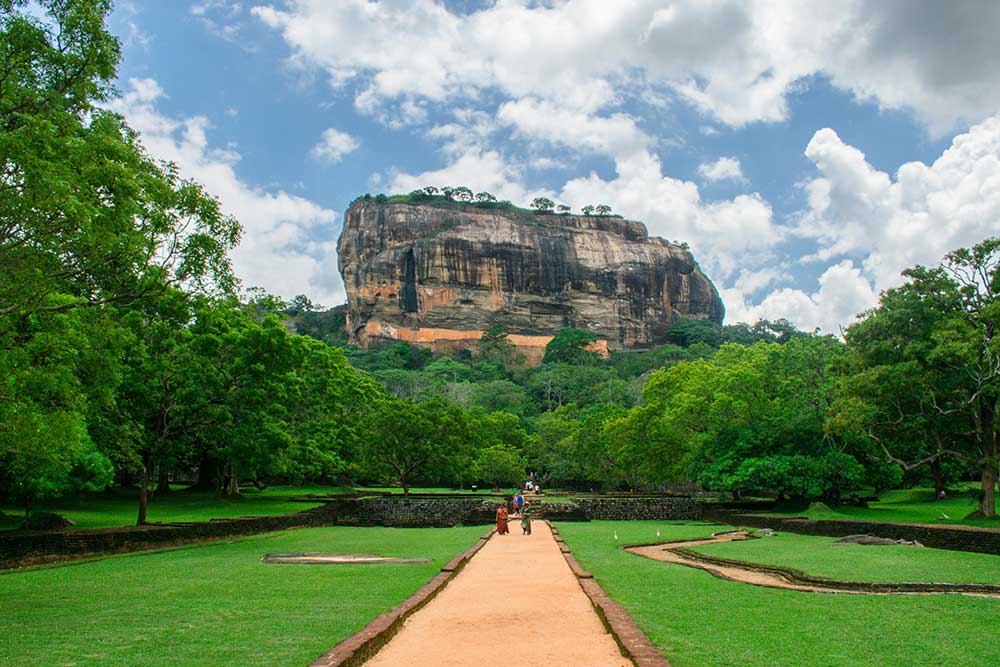
Few places in Sri Lanka capture the imagination quite like Sigiriya, also known as the Lion Rock Fortress. Rising dramatically from the central plains, this UNESCO World Heritage Site is more than just a climb – it’s an unforgettable journey through history, culture, and breathtaking landscapes. Whether you’re a first-time traveler to Sri Lanka or a seasoned explorer, Sigiriya deserves a top spot on your itinerary.
In this guide, we’ll dive into the history of Sigiriya, the key attractions, how to plan your visit, what to eat nearby, where to stay, and insider tips to make the most of your adventure.
Quick Facts About Sigiriya
Height: 200 m (660 ft)
Opening Hours: 7:00 AM – 5:30 PM
Location: Matale District, Sri Lanka
UNESCO Status: Yes (since 1982)
Best Time to Visit: Dec–Apr
Difficulty Level: Moderate climb
A Glimpse into History
The narrative of Sigiriya dates back to the 5th century AD, amid periods of royal conflicts and impressive construction. After displacing his father, King Dhatusena, King Kashyapa established a fortified residence atop a prominent rock outcrop. Elevating about 200 meters (660 feet) above the nearby flatlands, this formation—referred to as Sinhagiri or “Lion Rock”—provided natural protection due to its height and location.
Historical accounts indicate that Kashyapa governed from this elevated position for approximately 18 years before his defeat by his half-brother, Moggallana, which ultimately led to the king’s demise.
Findings from digs point to earlier usage, potentially as a monastic retreat in the 3rd century BC, where monks resided in natural caverns. Following Kashyapa’s era, the location returned to its original religious purpose until the 14th century, after which it fell into disuse and was overtaken by vegetation.
British explorers in the 19th century uncovered and began restoring it, revealing innovative features such as intricate hydraulic systems and gardens that continue to operate during rainy periods.
Sigiriya’s allure lies in its mix of documented events and folklore. Certain stories link their origins to supernatural elements, given the rock’s dominant position in an otherwise level area. During an ascent, one can sense the layers of past events, picturing former inhabitants and daily routines.
The Lion Rock Itself
The centerpiece is the 200-meter-high rock. The climb takes about 1.5 to 2 hours, depending on your pace, with several rest stops along the way.
- Lion’s Gate: Midway, you’ll pass through two massive lion’s paws carved in stone — remnants of a grand entrance that once formed a colossal lion structure.
- Summit: At the top, discover palace ruins, reservoirs, and 360-degree views of Sri Lanka’s Cultural Triangle.
👉 Travel Tip: Start your climb early (around 7:00 AM) to avoid heat and large crowds.
Main Sights in Sigiriya
- Frescoes: Colorful paintings of celestial maidens, still vibrant after 1,500 years.
- Mirror Wall: Once polished to reflect the king, it now bears inscriptions and poems from ancient visitors.
- Water & Boulder Gardens: Ingeniously landscaped gardens with fountains that still work during the rainy season.
At the base, don’t miss the symmetrical water gardens with ponds and fountains that still work during the rainy season. The boulder gardens showcase natural rock formations and pathways, giving you a sense of ancient daily life. - Summit Ruins: Layouts of King Kashyapa’s royal palace and water management systems.
What It Really Feels Like to Climb Sigiriya (Beyond the Checklist)
Climbing Sigiriya is not just a physical ascent — it’s a gradual change in mood and perspective.
At the base, the surroundings feel wide and exposed, with heat already rising from the plains. As you move upward, the noise fades. By the time you reach the fresco gallery, conversations quiet down naturally, and many travelers slow their pace without realizing why. The higher you climb, the more the landscape opens — not dramatically at first, but in layers, like a curtain lifting slowly.
What surprises many foreign visitors is how non-linear the experience feels. It doesn’t rush toward the summit. Instead, Sigiriya reveals itself in stages: water gardens, boulder paths, narrow staircases, and open terraces. By the time you reach the top, the reward isn’t only the view — it’s the feeling of having earned it step by step.
The Heat, the Wind, and the Hidden Comfort Window
Most blogs say “go early to avoid heat,” but here’s what actually happens on the rock:
- 7:00–8:30 AM: Coolest climb, minimal wind, best for history-focused visitors
- 8:30–10:00 AM: Light wind begins at higher levels — surprisingly comfortable
- After 10:30 AM: Heat reflects off rock surfaces, especially on exposed stairways
At the summit, the wind is often stronger than visitors expect. Even on hot days, it can feel cooler up top — one reason locals often carry a light scarf or long-sleeve layer.
Practical insight: If you start between 7:30 and 8:00 AM, you balance cooler temperatures with better light and slightly fewer crowds than opening time.
The Mirror Wall: Why It Still Feels Personal
Most visitors know the Mirror Wall as a historical artifact with ancient graffiti. What’s less discussed is how human it feels.
Standing there, you’re not just reading inscriptions — you’re encountering voices of ordinary people from over a thousand years ago who reacted to Sigiriya the same way modern visitors do: with awe, curiosity, and emotion. Many foreign travelers find this moment unexpectedly moving, because it collapses time in a very quiet way.
This is one of the few places in Sri Lanka where ancient visitors left behind personal reactions rather than royal declarations — a rare glimpse into everyday thought from the past.
A Local Trick to Avoid the Worst Crowd Bottlenecks
Crowding doesn’t happen everywhere on Sigiriya — it happens in specific choke points:
- The fresco stairway
- The Lion’s Paw platform
- The final stair section to the summit
A simple strategy:
- Walk slower in open sections
Move decisively through narrow stairways
Many visitors do the opposite — rushing through open areas and stopping in tight spots — which increases congestion and stress. Adjusting your pace makes the climb smoother and more enjoyable.
Is Sigiriya About the Summit — or the Surroundings?
Many seasoned travelers say the summit is only half the experience.
What often lingers longer:
- The geometric perfection of the water gardens
- The silence among the boulders
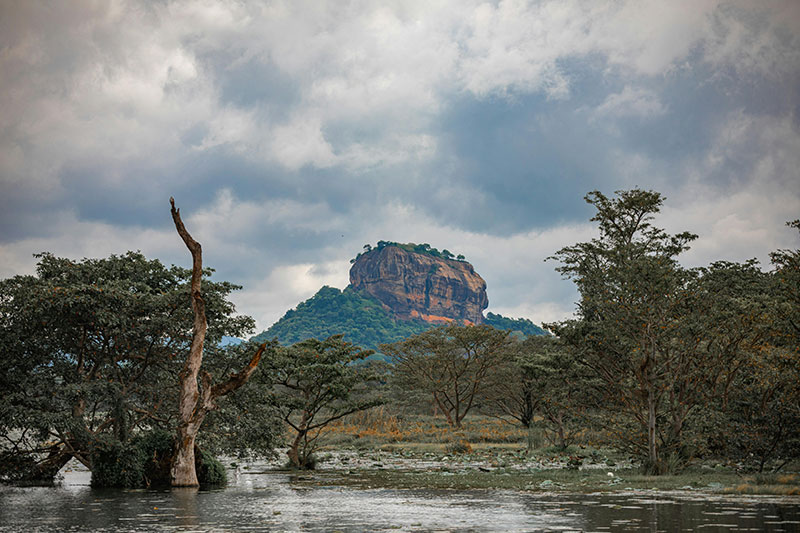
- The way Sigiriya dominates the landscape from every angle
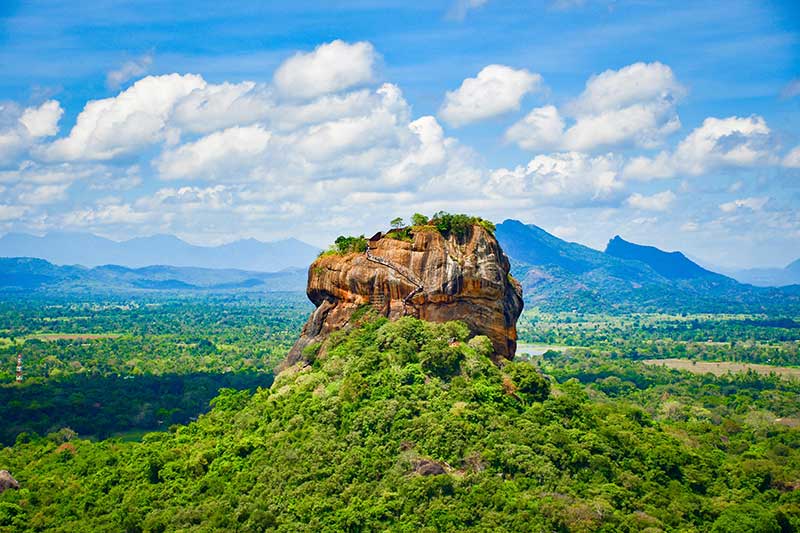
Some visitors even find that Pidurangala Rock gives a more emotionally striking view — not because it’s higher or easier, but because it lets you see Sigiriya in full context.
Understanding this beforehand helps travelers appreciate Sigiriya as a designed landscape, not just a viewpoint.
A More Thoughtful Way to Combine Sigiriya & Village Life
Instead of packing your day with multiple major sights, consider this slower pairing:
Morning: Sigiriya climb
Midday: Rest + local lunch at a family-run homestay
Late afternoon: Walk or cycle through nearby tank (reservoir) villages
This rhythm mirrors local life and avoids exhaustion. Many travelers say these quieter hours become their favorite memories — watching farmers return from fields, seeing children play near irrigation tanks, and experiencing rural Sri Lanka without a tour script.
Why Sigiriya Still Matters (Even After the Photos)
Long after travelers forget exact facts or dates, Sigiriya tends to stay vivid because it blends human ambition and vulnerability.
It’s a place where power, fear, creativity, and impermanence coexist in stone. You climb not just toward a view, but into a story that never fully explains itself — and that ambiguity is part of its strength.
For foreign travelers, Sigiriya often becomes a reference point: “This is where Sri Lanka felt ancient, vast, and deeply human all at once.”
Ticket Information
- Entrance Ticket: Approx. USD 30 (subject to change)
- Licensed Guide: USD 10-15 (recommended for history lovers)
- Meals nearby: USD 3-8
- Tuk-tuk from Dambulla: USD 5-10
👉 Payment Tip: Carry Sri Lankan Rupees in cash as card facilities can be unreliable.
Nearby attractions in Sigiriya
- Pidurangala Rock – A shorter climb with stunning sunrise/sunset views of Sigiriya itself.
- Dambulla Cave Temple – Just 15 km away, home to ancient murals and over 150 Buddha statues.
- Minneriya National Park – Famous for “The Gathering” of hundreds of elephants (July-September).
- Local Village Tours – Bullock cart rides, traditional cooking, and authentic Sri Lankan hospitality.
Local Culture & Food
A trip to Sigiriya isn’t just about climbing the rock – it’s also about experiencing local life.
- Food to Try: Rice & curry, string hoppers, kottu roti, fresh king coconut water, and spicy sambols.
- Village Dining: Many homestays and tours offer meals prepared on clay stoves using fresh, locally grown produce from the garden.
- Cultural Touch: Evening folk dance shows and cooking classes are available in Dambulla and Habarana.
Packing Tips
- Lightweight, breathable clothing is recommended (but please cover your knees/shoulders if visiting temples).
- Sturdy walking shoes.
- Sunscreen, hat, sunglasses.
- Refillable water bottle.
- Raincoat (if traveling during the monsoon).
Best Time to Visit & Weather
- December to April – Best weather, clear skies, and pleasant temperatures.
- May to October – Hot and humid, with afternoon showers (but fewer crowds).
- Time of Day – Early morning or late afternoon is ideal for climbing. Avoid midday heat.
Where to Stay Near Sigiriya
There’s something for every budget:
- Budget Guesthouses: Cozy family-run stays starting from USD 15–20 per night.
- Mid-range Hotels: Comfortable stays with pools, around USD 50–80.
- Luxury Resorts: Jungle lodges and boutique hotels near lakes, often USD 150+.
Nearby towns like Habarana and Dambulla also offer good options, especially if you want to combine safari trips and cultural tours.
Responsible Travel Tips for Sigiriya
- Respect archaeological zones: Do not touch frescoes or ancient walls.
- Protect wildlife: Avoid feeding monkeys around the entrance.
- Reduce plastic waste: Bring a refillable water bottle.
- Support local communities: Choose locally owned guesthouses, guides, and restaurants.
Local Insights from Sigiriya Villagers
Many villagers around Sigiriya still follow traditional farming routines passed down through generations. Early mornings, you’ll often see farmers tending to paddy fields as mist rolls over the plains — a beautiful cultural scene that gives you a sense of rural Sri Lankan life.
Some guesthouses also offer:
- traditional pittu breakfasts
- lake bathing experiences in natural reservoirs
- bullock cart rides led by local families
These authentic encounters enrich your trip and support the local community.
Sample Itinerary for Sigiriya (1–3 Days)
Day 1: Sigiriya Rock Fortress
- Early morning climb up Sigiriya Rock.
- Explore gardens and frescoes.
- Afternoon: Relax with a traditional Sri Lankan lunch.
- Evening: Take a tuk-tuk ride around the village or visit Pidurangala Rock for sunset.
Day 2: Cultural Triangle Highlights
- Morning visit to Dambulla Cave Temple (30 minutes away).
- Afternoon safari at Minneriya National Park – famous for elephant gatherings.
- Evening: Try a Sri Lankan cooking class offered by some guesthouses.
Day 3: Relax & Experience
- Sunrise at Pidurangala Rock.
- Visit Dambulla market.
- Ayurvedic spa treatment before departure.
People Also Ask – Sigiriya (Experience-Based FAQs)
1. What surprised travelers most about Sigiriya after the climb?
Many foreign travelers expect the summit to be the highlight, but what surprises them most is how thoughtfully the entire site is designed. The gardens, boulder pathways, and transitions between spaces feel deliberate rather than decorative. Visitors often say Sigiriya feels more like a carefully planned landscape than a single monument.
2. Does Sigiriya feel rushed or overwhelmed with tourists?
Sigiriya can feel busy at specific points, but not constantly crowded. The site naturally alternates between open, quiet spaces and narrow bottlenecks. Travelers who walk calmly and avoid stopping in stair sections often find the experience far less stressful than expected.
3. Is Sigiriya more rewarding for history lovers or casual travelers?
Sigiriya works surprisingly well for both. History lovers appreciate the layers of meaning, while casual travelers often enjoy it as a physical and visual experience even without deep historical knowledge. You don’t need to understand every detail to feel the impact of the place.
4. How does Sigiriya compare emotionally to other UNESCO sites in Sri Lanka?
Unlike temples or ruins that feel sacred or ceremonial, Sigiriya feels intimate and human. Visitors often describe it as less formal and more personal — a place shaped by ambition, fear, creativity, and isolation rather than ritual alone.
5. Is it worth spending time at Sigiriya even if I don’t climb to the top?
Yes. Many travelers find the water gardens and boulder gardens equally memorable. If heat, crowds, or mobility concerns limit the climb, spending time at the base still provides insight into ancient engineering and landscape design.
6. What mindset makes Sigiriya more enjoyable?
Patience. Travelers who treat Sigiriya as a journey rather than a task tend to enjoy it far more. Taking breaks, observing details, and not racing to the summit transforms the experience from a workout into a story unfolding in stages.
Conclusion: Why Sigiriya Stays With You Long After You Leave
Sigiriya is not a place you simply visit and move on from. It has a way of lingering in memory.
Long after the climb is over, travelers often remember the small moments more than the summit itself — the symmetry of the water gardens in the early light, the sudden quiet halfway up the rock, the feeling of standing where people once lived, ruled, feared, and dreamed. Sigiriya doesn’t tell its story loudly; it lets you piece it together as you walk.
What makes the experience lasting is not just the scale or the history, but the balance it strikes between human ambition and the natural world. The fortress feels powerful, yet exposed. Grand, yet isolated. It reminds visitors that even the most impressive creations are shaped by time, landscape, and human emotion.
For foreign travelers, Sigiriya often becomes a reference point — a place where Sri Lanka feels ancient, expansive, and deeply human all at once. If you approach it with patience and curiosity rather than haste, it offers more than views or photographs. It offers perspective.
And that is what makes Sigiriya unforgettable.
If you’ve visited Sigiriya, please share your experience in the comments below!
By Tour My Lanka Editorial Team
– promoting sustainable and authentic travel across Sri Lanka.
Last Updated: January 2026
Images in this article are for illustration purposes and sourced from royalty-free platforms such as Pixabay and Unsplash.
Disclaimer: Ticket prices, opening hours, and transportation costs mentioned in this article may change due to seasonal or administrative updates. Please confirm with the relevant authorities before visiting.