
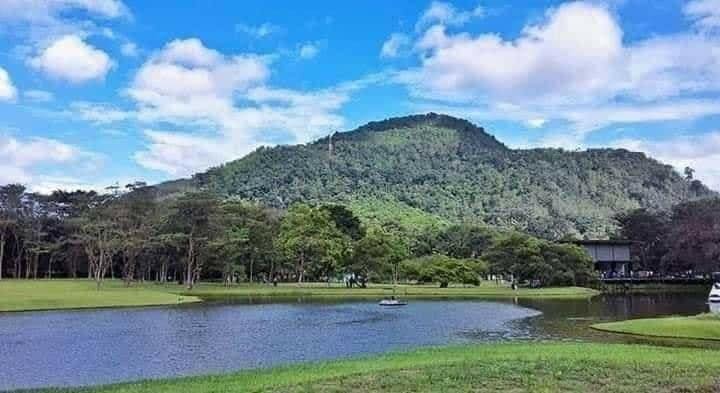
Nestled in the cool hills of Ilukovita, Avissawella, the Seethawaka Botanical Garden (also known as the Seethawaka Wet Zone Botanical Garden) is one of Sri Lanka’s most stunning green sanctuaries. Covering over 40 hectares (around 106 acres), it offers an unforgettable escape into nature, just a 90-minute drive from Colombo.
Once a rubber and tea plantation, the land was later transformed into a conservation park to protect rare and endangered plants from the Sinharaja Rainforest. Today, it’s a living example of how nature and research can thrive together – making it a must-visit for travelers who love tranquility and biodiversity.
Details at a Glance
- Location: Ilukovita, Avissawella, Sri Lanka
- Opening Hours: 7.30 am – 6.00 pm
- Entry Fees: Local Adults – LKR 200 / Foreign Adults – LKR 3000
- Distance from Colombo: 90-minute drive
- Best Time to Visit: December – April (Dry Season)
What is Seethawaka Botanical Garden
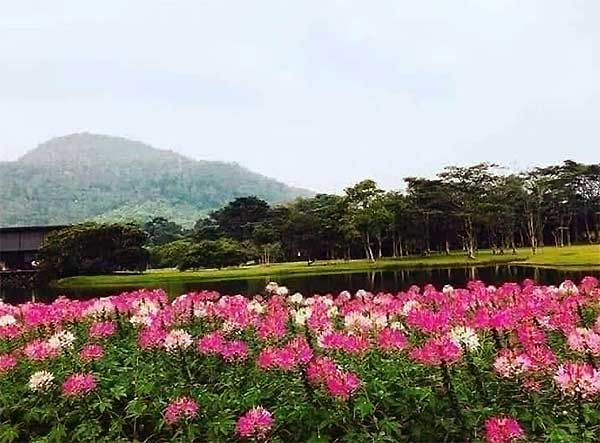
Its primary purpose is to serve as a research and conservation area for threatened and endangered plant species in the Sinharaja Rainforest, a biodiversity hotspot. This is not a traditional botanical garden in the country; the Seethawaka Wet Zone Botanic Gardens are mainly composed of plants rather than flowers.
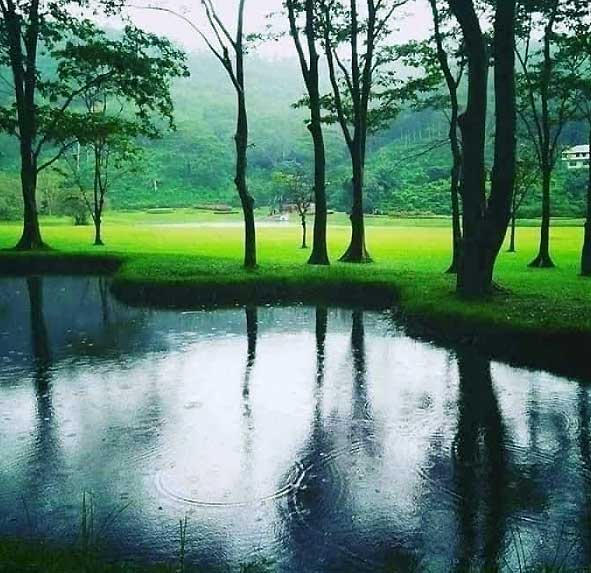
The Garden has a cool temperature. It’s also a calm place where you can observe well-maintained landscaping.
What Makes Seethawaka Botanical Garden Special?
1. A Biodiversity Hotspot
The Garden is home to more than 500 plant species, including rare orchids, ferns, and medicinal herbs. Many of these species are endemic to Sri Lanka’s wet zone and play a crucial role in rainforest conservation.
2. Breathtaking Landscapes
Seethawaka’s layout beautifully blends natural and man-made design. Cascading waterfalls, serene ponds, and green hills create a picture-perfect setting that’s ideal for photography and relaxation.
3. Educational and Eco-Friendly
The park serves as a research center for students and conservationists. Informative signboards along the trails explain plant origins and ecological importance – making it both an educational and eco-conscious travel experience
4. Eco-Friendly Tourism: The Garden promotes sustainable tourism practices, making it an ideal destination for eco-conscious travelers.
Main Attractions at Seethawaka Botanical Garden
1. Indigenous Flora Zone
Discover native plants found only in Sri Lanka’s wet zone – from vibrant orchids to unique ferns and ancient medicinal herbs used in traditional Ayurveda.
2. Orchid House
A paradise for flower lovers! The Orchid House showcases a diverse range of orchid species, each with its own color, shape, and story.
3. Japanese Garden
Step into tranquility with this beautifully designed section featuring a small bridge, sand garden, and manicured lawns that create a peaceful, Zen-like atmosphere.
4. Fern Garden
Cool and shaded, the Fern Garden follows a gentle stream and nurtures over 1,000 fern species — a refreshing retreat for anyone seeking calm.
5. Rose Garden
Located on a small hilltop, this colorful garden blooms with more than 75 varieties of roses, from deep reds to delicate pastel hues.
6. Viewpoint
Head to the top viewpoint for panoramic vistas of the Garden, nearby mountains, and the shimmering Lake — a perfect photo spot at sunset.
7. Kumbuk Grove
Relax beneath the tall Kumbuk trees that provide shade and pure air. This area captures the essence of Sri Lanka’s lush wet-zone forests.
8. Hiking Trail
A 3.5-mile (5.6 km) scenic trail runs through the park, with signboards naming each plant along the path. The gentle slopes and mountain air make this hike enjoyable for all ages.
9. Boat Ride on the Lake
Enjoy a peaceful boat ride across the man-made Lake, fed by natural streams from the surrounding hills — an ideal way to end your garden tour.
10. Picnic Areas
Designated picnic zones allow you to relax with family or friends while surrounded by nature’s beauty.
How Seethawaka Botanical Garden Actually Feels (Beyond the Attractions)
Visiting Seethawaka Botanical Garden feels very different from walking through Sri Lanka’s more famous royal or ornamental gardens.
Here, the atmosphere is noticeably quieter and heavier with moisture. You’ll hear water moving long before you see it — small streams run beneath walkways, and the air often carries the earthy scent of wet leaves and moss. Even on sunny days, parts of the garden remain cool and shaded, giving the sense of being inside a living rainforest rather than a landscaped park.
For foreign visitors, this contrast is often unexpected. Just an hour or so from Colombo’s traffic and heat, Seethawaka feels slower, greener, and more immersive — a place where nature quietly dominates instead of performing for visitors.
This is why many travelers end up spending longer than planned, sitting by the lake or walking the same path twice, simply because the environment feels restorative.
A Smarter Way to Explore Seethawaka (Without Missing Its Best Side)
Most visitors start at the entrance and walk uphill immediately. A better approach — especially if you’re visiting for the first time — is to follow the water first, elevation later.
Recommended walking flow (2–3 hours):
- Begin with the lower wet-zone paths near the lake and streams
- Explore shaded gardens (fern, bamboo, indigenous flora) while the air is still cool
- Move uphill toward the viewpoint only after mid-morning
- End your visit with open lawns or the boat ride, when the light is softer
Why this works:
- Early hours are best for insects, birds, and subtle plant details
- Mist and humidity make uphill walks more comfortable earlier in the day
- The viewpoint becomes more dramatic as clouds shift and light changes
This route mirrors how local researchers and photographers experience the garden — slowly transitioning from dense wet-zone ecosystems to open viewpoints.
What Foreign Visitors Often Overlook (But Remember Most)
1. This Is a Plant-First Experience
Unlike many botanical gardens, Seethawaka is not about seasonal flower displays. It’s about structure, survival, and adaptation. Leaves, bark, root systems, and canopy layers matter more than color. Travelers who enjoy forests, not flower beds, tend to appreciate it the most.
2. Silence Is Part of the Experience
There are fewer crowds, fewer vendors, and fewer artificial sounds. Many visitors later describe Seethawaka as “calming” or “meditative” — not because it’s empty, but because it doesn’t demand attention.
3. You Don’t Need to See Everything
Trying to cover all zones often leads to fatigue. Seethawaka rewards selective exploration — spending more time in fewer areas rather than rushing between attractions.
Photography & Observation Tips That Actually Matter Here
Seethawaka is not a wide-angle destination only. Some of the most rewarding visuals are small and close.
- Use mid-range lenses (35–70mm) for layered greenery and depth
- Focus on textures — wet leaves, moss-covered rocks, reflections on water
- Early morning light creates softer greens; midday light can flatten details
- After rain, colors intensify dramatically — a drizzle often improves photos
Tripods are useful in shaded sections, especially for travelers who enjoy nature or macro photography.
Is Seethawaka Right for You? (An Honest Perspective)
You will likely love Seethawaka Botanical Garden if you:
- Enjoy quiet nature experiences
- Prefer forests over flower gardens
- Like walking at a relaxed pace
- Appreciate conservation-focused destinations
You may find it less appealing if you:
- Expect constant visual highlights or entertainment
- Prefer wildlife safaris over plant-focused sites
- Have very limited time and want quick attractions
Knowing this upfront helps visitors enjoy Seethawaka for what it truly is — a living wet-zone sanctuary, not a theme garden.
Facilities and Food Options
The Garden includes:
- A food outlet near the main gate
- Rest areas and benches along the pathways
- Clean sanitation facilities and water taps
Visitors can bring their own food or enjoy a light meal from the on-site café.
Getting Around the Garden
You can explore on foot or rent an electric golf cart from the entrance for a leisurely ride.
A well-paved path leads to the summit, where you can enjoy wide views of the landscape below.
Best Time to Visit
The Garden is open all year, but the dry season (December to April) offers the best conditions for exploring. Early mornings and evenings are ideal for soft lighting and fewer crowds.
How to Get There
From Colombo:
Take the Avissawella Road and turn onto the Puwakpitiya–Thunmodara Road near Puwakpitiya Railway Station. Drive about 6 km, and you’ll find the Garden on your right.
Alternative Route:
From Padukka, take the Bope–Labugama Road, then continue 3.5 km along the Puwakpitiya–Thunmodara Road to reach the entrance.
Travel Tips
- Wear comfortable shoes and light clothing.
- Carry an umbrella or raincoat — showers are frequent in the wet zone.
- Bring a camera for scenic photography.
- Avoid plucking flowers or disturbing wildlife.
- Respect garden regulations and stay on designated paths.

Nearby Attractions
If you’re exploring the Avissawella region, don’t miss:
- Dambora Ella Waterfall
- Thunmodara Ella Waterfall
- Kumari Wala Ella Waterfall
- Ella Uda Ella Waterfall
Each of these natural spots offers a quick detour for waterfall lovers and photographers.
Responsible Tourism
Help preserve Seethawaka’s beauty for future generations:
Dispose of litter responsibly, avoid single-use plastics, and support local eco-friendly initiatives when visiting.
Opening Days – Opening Hours
The Garden is open all year round. It is suggested that mornings and evenings are the perfect time to visit this beautiful Garden.
- Open Days are all 365 days.
- Opening Hours 7.30 am – 6.00 pm
- Ticketing Hours 7.30 am – 5.00 pm
Entrance Fees
Local Rates
- Local Adults: 200 LKR
- Local Children below 12 years and School Children: 30 LKR
- Local Adults over 60 (NIC proof needed): 50 LKR
Rates for Foreign Visitors
- Foreign Adults: 3000 LKR
- Foreign School and University Students (Must have satisfactory proof): 2000 LKR
- Foreign Children (5 to 12 years): 1500 LKR
Electric Car Ride Rates
- Electric Cars (4 seater) – 1 hour ride: 1000 LKR
- Electric Cars (8 seater) – 1 hour ride: 2000 LKR
People Also Ask – Seethawaka Botanical Garden (Real Traveler FAQs)
1. How much time should I realistically plan for Seethawaka Botanical Garden?
Most foreign visitors underestimate the time needed. While the garden can be walked in about an hour, a comfortable and rewarding visit usually takes 2 to 3 hours. This allows time to walk shaded trails, sit near the lake, and explore fewer sections more deeply rather than rushing through everything.
2. Is Seethawaka Botanical Garden enjoyable if I’m not a “plant expert”?
Yes — as long as you enjoy calm, natural environments. You don’t need botanical knowledge to appreciate Seethawaka. Many travelers enjoy it simply as a quiet wet-zone landscape with flowing water, layered greenery, and cooler air. Reading a few signboards or observing how plants are grouped by habitat adds context naturally as you walk.
3. Does Seethawaka feel crowded, especially on weekends?
Compared to major attractions near Colombo, Seethawaka Botanical Garden remains relatively uncrowded. Weekends attract local families, but the garden is large enough that it rarely feels congested. Early mornings and late afternoons are especially peaceful, even on public holidays.
4. Is Seethawaka suitable for travelers who prefer slow, relaxed travel?
Very much so. This garden suits travelers who enjoy slow walking, sitting, observing, and taking breaks. There’s no pressure to “complete” anything. Many visitors find themselves lingering by the lake or returning along the same path simply because the atmosphere feels restorative.
5. Will I see wildlife inside the garden?
Seethawaka is not a wildlife park, but visitors often spot butterflies, birds, frogs, and small reptiles, especially near water and shaded areas. Early mornings after rain offer the best chances. Wildlife encounters here are subtle and quiet rather than dramatic — part of the garden’s calm character.
6. Is Seethawaka better as a half-day trip or a short stop?
For most foreign travelers, Seethawaka works best as a half-day experience, especially when combined with a nearby waterfall or countryside lunch. Treating it as a short stop often feels rushed and doesn’t allow time to appreciate the environment.
7. What kind of traveler enjoys Seethawaka the most?
Seethawaka appeals most to travelers who:
- Enjoy nature without crowds
- Prefer greenery over monuments
- Value calm, reflective experiences
- Are curious about conservation and ecosystems
It may be less appealing to travelers seeking high-energy attractions or quick sightseeing stops.
Location Seethawaka Botanical Garden
Videos
Final Thoughts: A Different Way to Experience Sri Lanka’s Nature
Seethawaka Botanical Garden is not the kind of place that impresses through spectacle or grandeur. Its value lies in something quieter.
This garden invites visitors to slow down and observe — to notice how plants grow in layers, how water shapes the landscape, and how conservation happens gradually rather than dramatically. For many foreign travelers, it offers a rare chance to experience Sri Lanka beyond beaches, safaris, and ancient cities, revealing a softer, greener side of the island’s identity.
What stays with most visitors is not a single attraction, but the overall feeling: cool air after rain, filtered light through dense foliage, and the sense of walking through a living ecosystem rather than a curated display. It’s a reminder that Sri Lanka’s biodiversity is not only something to admire, but something actively protected and studied.
If you approach Seethawaka without rushing — allowing time to walk, pause, and observe — it becomes more than a botanical garden. It becomes a place of balance, where nature, science, and calm coexist just beyond the reach of the city.
If you’ve visited Seethawaka Botanical Garden, please share your experience in the comments below!
By Tour My Lanka Editorial Team
– promoting sustainable and authentic travel across Sri Lanka.
Last Updated: September 2025
Images in this article are for illustration purposes and sourced from royalty-free platforms such as Pixabay and Unsplash.
Disclaimer: Ticket prices, opening hours, and transportation costs mentioned in this article may change due to seasonal or administrative updates. Please confirm with the relevant authorities before visiting.