
Introduction
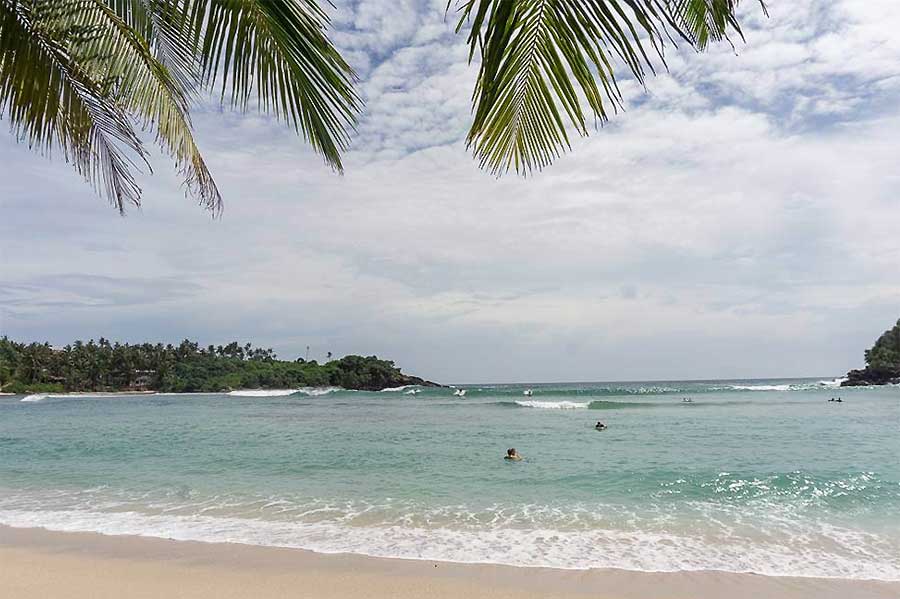
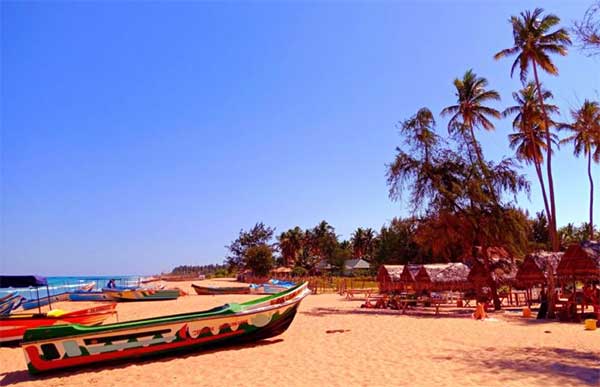
Nilaveli Beach is not a place that tries to impress you loudly. There are no neon signs, no party strips, and no dramatic viewpoints designed for social media. What draws people here—quietly, steadily—is the feeling of space. Wide sand, open sky, gentle waves, and the rare sense that the beach is still allowed to breathe.
Located just north of Trincomalee on Sri Lanka’s east coast, Nilaveli has long been known among locals as a “proper beach holiday” destination—especially for families, couples, and travelers who want the sea without the chaos. For foreign travelers, it offers something increasingly rare in Asia: a tropical beach that feels relaxed, local, and unforced.
This guide is written for real travelers, not checklist tourists. It focuses on what actually matters when planning a visit—when to come, where to stay, what to skip, and how Nilaveli really feels once you’re there.
Where Is Nilaveli Beach?
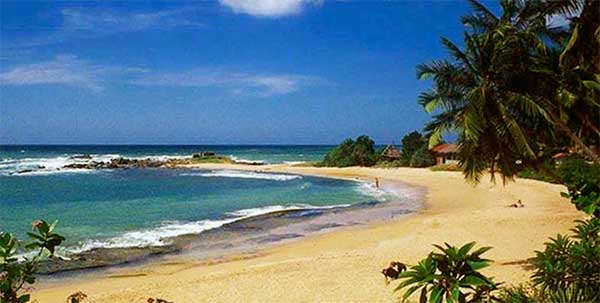
Nilaveli Beach is located about 16 kilometers north of Trincomalee town, in Sri Lanka’s Eastern Province. It sits along a gently curving coastline facing the Bay of Bengal, known for calm waters during the dry season and long stretches of pale sand.
Despite being close to Trincomalee, Nilaveli feels very different from the town itself. Trincomalee is busy, practical, and working. Nilaveli is slower, quieter, and shaped around the rhythm of the sea.
Most visitors use Trincomalee as the transport hub and base themselves in Nilaveli for beach time.
Location
What Makes Nilaveli Beach Different from Other Sri Lankan Beaches?
Sri Lanka has no shortage of beaches, so it’s fair to ask what makes Nilaveli worth the journey.
1. Space and Simplicity
Nilaveli’s beach is wide and open. Even during peak season, you’re rarely shoulder-to-shoulder with other visitors. There are no beach clubs competing for attention, and vendors are minimal.
2. Calm Swimming Conditions (Seasonal)
During the east coast dry season, the sea at Nilaveli is generally calm, shallow near the shore, and suitable for swimming. This makes it popular with families and less confident swimmers.
3. Access to Pigeon Island
Nilaveli is the main departure point for Pigeon Island National Park, one of Sri Lanka’s most important marine protected areas. Snorkeling trips leave directly from the beach.
4. A Local Holiday Feel
Unlike south coast beaches dominated by foreign tourism, Nilaveli still attracts Sri Lankan families, especially during school holidays. This gives it a grounded, authentic atmosphere without feeling commercial.
Best Time to Visit Nilaveli Beach
Ideal Season: May to September
This is the east coast dry season, when Nilaveli is at its best.
- Calm seas
- Clear water
- Consistent sunshine
- Best conditions for snorkeling and boat trips
Shoulder Months: April & October
Weather can be mixed. You may still get good beach days, but sea conditions can change quickly.
Avoid if Possible: November to January
This period often brings heavy rain and rough seas due to the northeast monsoon. Many hotels reduce operations, and snorkeling trips may be suspended.
Local tip: August is peak holiday season for Sri Lankans. Expect more domestic visitors and higher room demand—but still far less crowding than southern beaches.
How to Get to Nilaveli Beach
From Colombo
- By Train: Colombo Fort → Trincomalee (overnight or daytime service). From Trincomalee station, Nilaveli is a 30-minute tuk-tuk ride.
- By Car: Approximately 6–7 hours via Habarana. Roads are mostly good.
- By Bus: Long-distance buses run to Trincomalee; local buses or tuk-tuks cover the final stretch.
From Trincomalee Town
- Tuk-tuk: Most convenient
- Local bus: Budget-friendly but less frequent
- Scooter rental: Available in town for confident riders
Nilaveli itself is small and walkable once you arrive.
What Is the Beach Like?
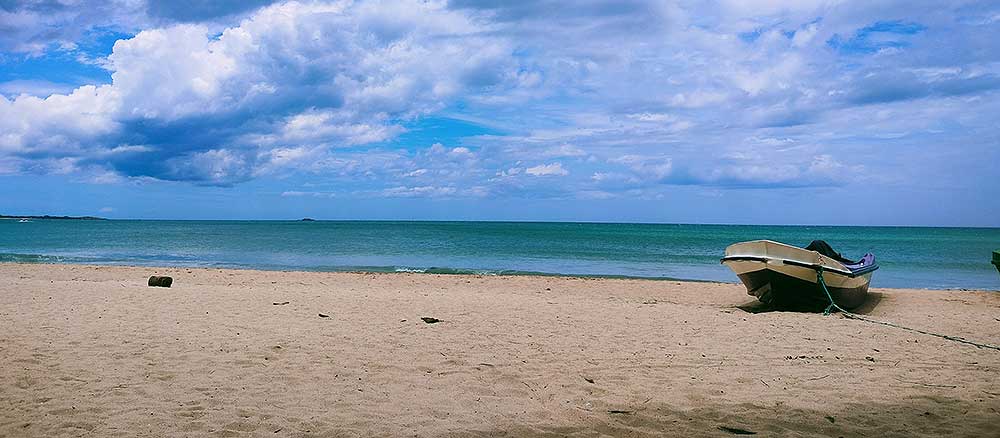
Nilaveli Beach stretches for several kilometers, with soft pale sand and a gentle slope into the sea. The water color ranges from light turquoise to deep blue depending on the light and season.
There are no dramatic rock formations or cliffs—Nilaveli’s appeal lies in its openness and calm. Early mornings are quiet and cool. Afternoons are breezy. Evenings are peaceful, with soft light and minimal noise.
There is very little artificial lighting at night, which means the beach feels dark and natural after sunset.
Swimming & Safety at Nilaveli Beach
During the dry season, swimming conditions are generally safe close to shore. However:
- There are no lifeguard stations
- Sea conditions can change quickly
- Stronger currents may appear further out
Stick to shallow areas unless you are an experienced swimmer, and always check with locals before swimming far.
Snorkeling & Pigeon Island National Park
Why Pigeon Island Matters
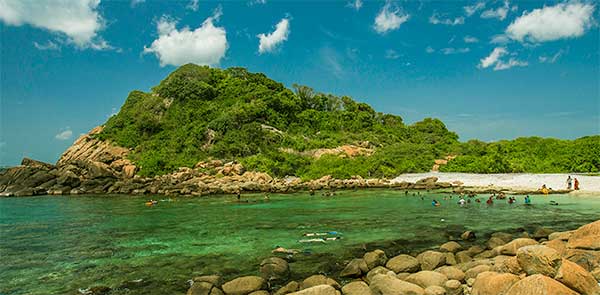
Pigeon Island is one of the best snorkeling locations in Sri Lanka, especially for seeing coral reefs and reef fish. Blacktip reef sharks are commonly spotted and are harmless to snorkelers.
What to Expect
- Boat ride: 10–15 minutes from Nilaveli
- Snorkeling time: 1.5–2 hours
- Visibility: Best from May to September
Important Notes
- Entry tickets are required (national park fee)
- Snorkeling equipment is often provided but quality varies
- Coral damage has been an issue—touching or standing on coral is strictly prohibited
Responsible travel tip: Choose operators who limit group size and follow park regulations.
Where to Stay in Nilaveli Beach
Nilaveli offers accommodation for different budgets, but it’s not a nightlife or luxury resort destination.
Beachfront Hotels
Ideal for travelers who want direct beach access and minimal movement.
- Expect simple, clean rooms rather than luxury finishes
- Some properties close seasonally
Mid-Range Guesthouses
Popular with independent travelers.
- Often family-run
- Local advice and flexible arrangements
- Good value for longer stays
Budget Stays
Basic rooms with fans or AC.
- Best for travelers who spend most time outdoors
- Limited dining options on-site
Booking tip: Confirm backup power and water supply, especially during peak season.
Food & Dining in Nilaveli
Nilaveli is not a food destination, but you won’t go hungry.
What You’ll Find
- Fresh seafood (grilled fish, prawns, cuttlefish)
- Sri Lankan rice and curry
- Simple Western options (omelettes, sandwiches)
What You Won’t Find
- Late-night dining
- Fine-dining restaurants
- Large café culture
Meals are usually timed early, and many places close by 9:30–10:00 PM.
Local tip: Ask your guesthouse to arrange fresh seafood cooked to order—often better than restaurant menus.
Things to Do Beyond the Beach
Explore:
- Koneswaram Temple
- Fort Frederick
- Local markets
Whale & Dolphin Watching (Seasonal)
Available from Trincomalee harbor, usually between March and August.
Cycling or Walking
Quiet roads around Nilaveli make early morning walks enjoyable.
Sunset Watching
Nilaveli faces east, but sunsets can still be beautiful with changing colors and reflections.
What Nilaveli Beach Is NOT Ideal For
Being honest helps travelers plan better.
Nilaveli may not be suitable if you are looking for:
- Nightlife or beach parties
- Surfing culture
- Luxury shopping
- Fast-paced social scene
Nilaveli works best for travelers who value quiet, space, and simplicity.
Common Mistakes First-Time Visitors Make
- Assuming year-round beach weather – East coast seasons matter.
- Overpacking activities – Nilaveli is about slowing down.
- Expecting nightlife – Evenings are quiet.
- Ignoring sun protection – East coast sun can be intense.
Practical Travel Tips
- Carry cash; ATMs are limited
- Mobile signal is generally good
- Dress modestly when outside beach areas
- Respect marine life when snorkeling
Traveler-first Important Factors
1) The “Nilaveli Rhythm” Most Guides Miss: How a Day Really Unfolds
Nilaveli doesn’t reward rushing. It rewards syncing your day to heat, light, and sea conditions.
- 6:00–8:30 AM (best beach hour): The sand is cool, the beach is quiet, and the wind is usually low. If you’re the type who actually likes walking, this is your window. You’ll see locals doing short family strolls or fishermen sorting gear without the “tour” feeling.
- 9:30–12:00 (sun gets serious): The sun starts to feel sharp, not just warm. This is when you either commit to shade (book, coconut, nap) or do an activity (boat trip, Trinco run).
- 2:30–4:30 PM (the breeze shift): Many days the wind picks up. It can feel great on the beach, but it also stirs sand and can make the sea a little choppier.
- 5:15–6:15 PM (golden calm): The light softens again. You’ll often get that “end-of-day exhale” feeling where Nilaveli suddenly makes sense.
Why this matters: If you plan Nilaveli like a “packed itinerary” destination, you’ll feel underwhelmed. If you plan it like a place to slow down, you’ll remember it.
2) A Simple Way to “Read” the Sea Before You Swim or Book a Boat
Nilaveli looks gentle, but conditions shift—especially as the wind changes.
A quick beach check that locals instinctively do:
- Look at the wave line: If waves are spilling evenly across the shore (small, consistent, no sudden gaps), it’s usually calm for wading/swimming near shore.
- Watch the foam drift: Toss a small leaf or watch foam—if it moves sideways fast, you may be seeing a stronger lateral current. Stay shallow.
- Check the water color: If it turns cloudy close to shore after lunch, that’s often wind/chop stirring sand. Not dangerous by itself, but snorkeling visibility drops.
- Traveler takeaway: Choose morning for calm swims and clearer water—especially if you’re planning Pigeon Island. Many operators describe a ~10–20 minute boat ride depending on conditions/operator.
3) The “Seafood Hack” in Nilaveli: How to Get a Fresh Dinner Without Guesswork
This is one of those practical details many travelers only discover after two bland meals.
What works well in Nilaveli: buying seafood earlier in the day and asking your accommodation to cook it (if they offer this service).
A realistic approach:
- Ask your guesthouse/hotel first: “Can you cook seafood if I bring it?” (Some will, some won’t. Some charge a small cooking fee.)
- Buy earlier, not late: You’ll get better selection and less “end-of-day” seafood.
- Keep it simple: Ask for grilled with lime + chili + garlic or a light curry if you like spice.
- Specify bones: If you don’t like bony fish, say it. Sri Lankan fish can be delicious but very bony depending on type.
Why this is unique to Nilaveli: dining options can be limited and timing is early. This method reliably upgrades your evenings without turning your trip into a food mission.
4) A “Quiet Traveler” Checklist for Pigeon Island (So You Don’t Waste the Trip)
Pigeon Island is often marketed as “easy snorkeling,” which is sometimes true—but your experience depends heavily on a few details.
Before you pay:
- Ask how many people are on your boat (smaller groups usually mean less chaos in the water).
- Ask if they provide fins (not just a mask). Fins reduce panic for beginners and prevent standing on coral.
- Ask about time on the island (some trips feel rushed; some give you breathing room).
- Confirm park fees and what’s included (avoid surprise add-ons).
And in the water:
- Don’t chase turtles or sharks (they’re not pets; you’ll ruin everyone’s encounter).
- Never stand on coral—even “dead-looking” coral can be living structure.
If you’re visiting in the east coast dry season (roughly April/May to September), the chances of better visibility are higher.
5) What Nilaveli Is Like for Families (and Why It’s a Local Favorite)
Nilaveli’s beach vibe is one reason Sri Lankan families keep returning: it’s spacious and uncomplicated.
If you’re traveling with kids:
- The wide beach helps—children can play without feeling boxed in.
- Early morning is best for sand play because midday sand can get uncomfortably hot.
- Bring simple water shoes for kids if they’re sensitive; some days the shoreline can have shell fragments.
If you’re a couple or solo traveler who likes calm:
- Nilaveli is one of those places where doing “nothing” doesn’t feel like failure.
This isn’t a nightlife beach—and that’s the point.
6) The Most Useful Packing List for Nilaveli
Nilaveli-specific items that actually improve your trip:
- A lightweight long-sleeve layer (sun protection without overheating)
- Reef-safe sunscreen + after-sun aloe (the east coast sun can surprise you)
- A dry bag (for boat trips; even calm seas can splash)
- A small headlamp/torch (some areas get quite dark at night)
- Cash (ATMs can be inconvenient; you don’t want your day shaped by withdrawals)
Optional but great:
- Anti-chafe balm if you do long beach walks in heat
- A reusable bottle (less plastic, easier day-to-day)
7) A “Two-Base” Strategy That Makes Nilaveli Better
A lot of travelers either stay only in Trinco town (and commute) or only in Nilaveli (and feel stuck). There’s a smarter middle.
Do this instead:
- Base 2–3 nights in Nilaveli for calm beach time + Pigeon Island morning.
- Add 1 night in Trincomalee town if you want markets, temples, a bit more energy, and easier transport.
Nilaveli and Trinco are close enough to combine without turning it into a logistics headache (Rome2rio lists the road distance around the mid-teens in km and short travel time by taxi).
8) The “Realistic Expectations” Section
Nilaveli is worth visiting, but it helps to be honest about what it is and isn’t.
Nilaveli is perfect for you if you want:
- calm beach hours
- slow mornings
- simple seafood
- a quiet base near Pigeon Island
Nilaveli will frustrate you if you expect:
- lots of restaurants and cafés
- shopping streets or nightlife
- constant activities without planning
This kind of straight talk reduces bad-fit visits—and that’s exactly what readers trust.
9) Micro-Etiquette That Helps You Blend In (Small Things, Big Difference)
Nilaveli has a local holiday feel at times. A few small habits go a long way:
- Swimwear on the beach is fine, but cover up when walking inland or into shops.
- Ask before photographing people (especially families and fishermen).
- Keep volume low at night—many guests are there specifically for quiet.
- If you’re snorkeling, avoid touching anything underwater. “Look, don’t handle” is the rule.
These aren’t “rules,” just respectful travel habits that prevent awkward moments.
10) A Short “If the Weather Turns” Plan (Because It Happens)
Even in good months, you can get a cloudy day or rougher sea.
A calm Plan B:
- Do a Trincomalee half-day (temple/fort/market)
- Choose a late afternoon beach walk when the heat drops
- Keep your snorkeling trip flexible—operators often adjust timing with conditions
It’s a gentle reminder: Nilaveli isn’t a place you force. It’s a place you adapt to.
Videos
FAQ
1 Is Nilaveli Beach good for swimming, or are there strong currents?
Nilaveli is generally safe for near-shore swimming during the east coast season (roughly May to September), especially in the mornings when the sea is calmer. However, there are no lifeguards, and currents can change with wind and tides. Most locals and experienced travelers stick to shallow areas and avoid swimming far out, particularly in the afternoon when the breeze picks up.
2. Is Nilaveli Beach better than Uppuveli?
Nilaveli and Uppuveli offer different experiences. Nilaveli is quieter, more spacious, and better for travelers seeking calm beach time, while Uppuveli has more restaurants, cafés, and social activity. Many travelers prefer Nilaveli for relaxation and use Uppuveli or Trincomalee town for dining or short outings.
3. Can you visit Pigeon Island directly from Nilaveli Beach?
Yes. Nilaveli is the main departure point for Pigeon Island National Park, with boat trips leaving directly from the beach or nearby access points. Travel time by boat is short, but conditions vary by day. Morning trips usually offer calmer seas and better snorkeling visibility.
4. How crowded does Nilaveli Beach get during peak season?
Even during peak months, Nilaveli rarely feels overcrowded. The beach is long and wide, so visitors spread out naturally. The busiest times are Sri Lankan school holidays, especially in August, but crowds are still modest compared to popular south coast beaches.
5. Are there restaurants and nightlife in Nilaveli?
Nilaveli has limited dining options and virtually no nightlife. Most restaurants close early, and evenings are quiet. Travelers looking for bars, late dinners, or café hopping usually head to Uppuveli or Trincomalee town, about 20–30 minutes away.
6. Is Nilaveli Beach suitable for families with children?
Yes, particularly for families who value space and calm. The beach’s wide shoreline allows children to play freely, and the sea is usually gentle in season. Parents should still supervise closely, as there are no designated swimming zones or lifeguards.
7. What is the best time of day to enjoy Nilaveli Beach?
Early morning and late afternoon are the most comfortable and rewarding times. Mornings offer cooler temperatures and calmer water, while evenings provide softer light and a relaxed atmosphere. Midday sun can be intense, making shade breaks important.
8. Is it worth staying in Nilaveli if I don’t plan to snorkel?
Yes. Many visitors come to Nilaveli simply to slow down, walk the beach, read, and enjoy the sea without a packed schedule. While snorkeling at Pigeon Island is a highlight, Nilaveli is equally suitable for travelers seeking quiet beach time without activities.
9. How many nights should you stay in Nilaveli?
For most travelers, 2 to 3 nights is ideal. This allows time for a relaxed beach day, a possible snorkeling trip, and at least one unplanned day to enjoy the area without rushing. Longer stays suit travelers who enjoy simple routines and minimal movement.
10. Is Nilaveli safe for solo travelers?
Nilaveli is generally considered safe and low-key, especially during the tourist season. Solo travelers often appreciate its calm environment. As with any quiet destination, it’s wise to avoid isolated areas late at night and arrange transport in advance.
11. Can you walk everywhere in Nilaveli, or do you need transport?
The immediate beach area is walkable, but restaurants, shops, and accommodation are spread out. Tuk-tuks are the most practical option for short distances, especially in the heat. Nilaveli is not designed for constant movement—most visitors settle into one area.
12. Does Nilaveli feel authentic or touristy?
Nilaveli still retains a local holiday feel, especially during weekends and school breaks, when Sri Lankan families visit. Tourism exists, but it hasn’t overtaken daily life. Many travelers find this balance refreshing compared to more commercial beach destinations.
Final Thoughts
Nilaveli Beach doesn’t compete for attention. It doesn’t offer a long list of attractions or try to keep you busy from morning to night. What it offers instead is something quieter and increasingly rare—a beach that allows you to slow down without feeling like you’re missing out.
For travelers who enjoy unhurried mornings, calm swims, simple seafood, and long stretches of open sand, Nilaveli feels natural rather than staged. Days here tend to blend into one another in a good way, shaped more by the movement of the sun and sea than by plans or schedules.
At the same time, Nilaveli is not a destination that suits everyone. If you need nightlife, constant activity, or a wide choice of restaurants, you may find it too subdued. But for those who value space, simplicity, and a more grounded beach experience—especially families, couples, and independent travelers—Nilaveli often leaves a deeper impression than more famous coastal spots.
If you’ve visited Nilaveli Beach or plan to explore it soon, feel free to share your experience in the comments below and inspire other travelers to discover this incredible destination.
By Tour My Lanka Editorial Team
– promoting sustainable and authentic travel across Sri Lanka.
Last Updated: January 2026
Images in this article are for illustration purposes and sourced from royalty-free platforms such as Pixabay and Unsplash.