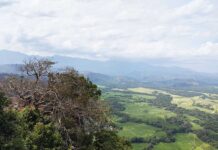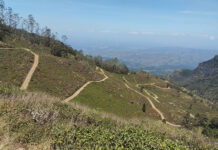

Morningside Deniyaya is a secluded highland destination located near Suriyakanda, between Deniyaya and Rakwana, on the eastern edge of the Sinharaja rainforest region in southern Sri Lanka. Surrounded by mist-covered mountains, dense tropical forest, and spice plantations, Morningside offers a rare opportunity to experience Sri Lanka’s natural environment in its most untouched form.
Unlike popular hill-country towns or coastal resorts, Morningside Deniyaya remains largely undiscovered by mass tourism. There are no crowded viewpoints, commercial attractions, or modern entertainment facilities here. Instead, visitors are rewarded with silence, fresh mountain air, biodiversity, and a slow rhythm of life shaped by nature.
This guide provides a complete, practical overview of Morningside Deniyaya—including what to expect, how to reach the area, activities, accommodation options, travel tips, and important considerations for responsible travel.
Location and Geography
Morningside Deniyaya lies approximately 7 kilometers from the town of Suriyakanda, along the Rakwana–Deniyaya route. Administratively, it is connected to the regions of Deniyaya and Rakwana, both of which serve as access points.
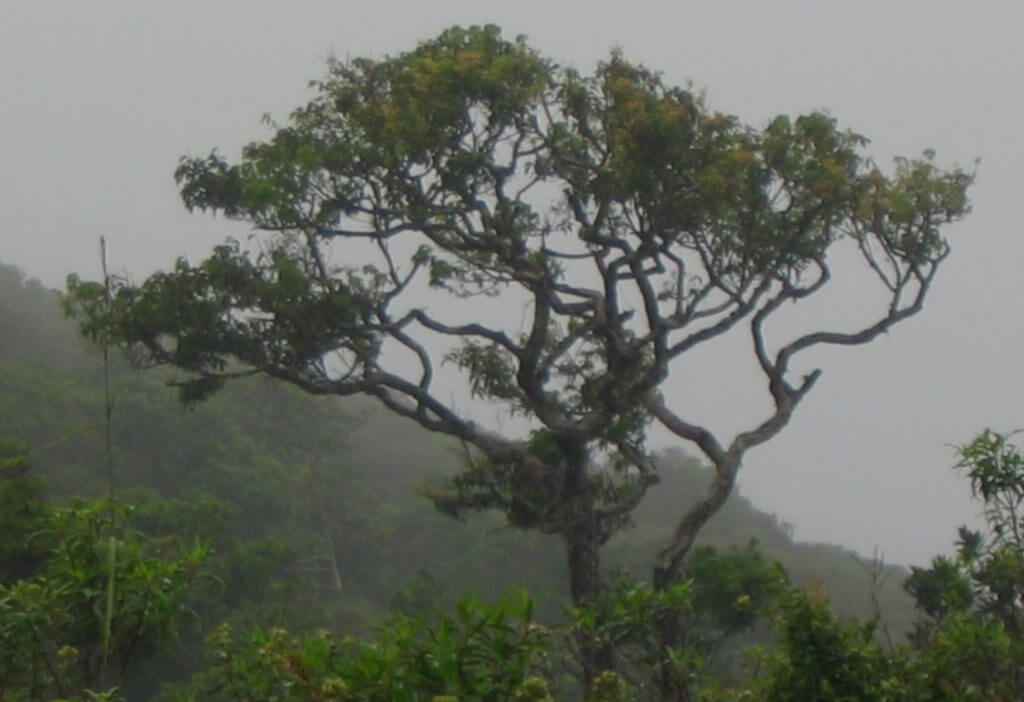
The area sits within the Rakwana mountain range and shares ecological characteristics with the nearby Sinharaja Forest Reserve, a UNESCO World Heritage Site known for its exceptional biodiversity. Due to its elevation and forest cover, Morningside experiences cooler temperatures and frequent mist throughout the year.
The name “Morningside” is believed to originate from colonial-era planters, referring to the persistent mist and cool air that create a morning-like atmosphere for much of the day.
Why Visit Morningside Deniyaya?
Morningside Deniyaya appeals primarily to travelers seeking solitude, natural landscapes, and minimal human interference. It is particularly suitable for:
- Nature lovers and eco-tourists
- Birdwatchers and wildlife enthusiasts
- Hikers and photographers
- Travelers looking for a digital detox
- Visitors interested in Sri Lanka’s lesser-known highland regions
This destination is not designed for luxury tourism or entertainment-focused travel. Instead, it offers an environment where visitors can slow down and experience Sri Lanka’s rainforest ecosystem in a responsible and respectful way.
What a Day in Morningside Deniyaya Actually Feels Like
Morningside Deniyaya does not announce itself with dramatic viewpoints or signboards. The experience unfolds slowly, often quietly enough that first-time visitors feel unsure whether they have “arrived” at a destination at all.
Early mornings usually begin with mist so thick that visibility drops to a few meters. Forest sounds travel differently in this weather—bird calls feel closer than they are, while human activity fades into the background. There is no morning rush here. Estate workers begin their day early, moving calmly through cardamom plots and forest paths, often barefoot or in simple rubber slippers, carrying tools rather than phones.
By mid-morning, the mist lifts in patches rather than all at once. Views open briefly, then disappear again. This unpredictability becomes part of the rhythm of the place. Travelers expecting constant scenery may feel frustrated, but those who stay long enough begin to appreciate the slow reveal.
Afternoons are usually quiet. Rain can arrive suddenly, even on clear days, and plans often adjust around weather rather than the other way around. This is not a destination where schedules dominate. You walk when it’s dry, rest when it rains, and wait when the forest decides to stay hidden.
Nights in Morningside Deniyaya are notably dark. With limited electricity and no street lighting, the absence of artificial light changes how time is perceived. Conversations tend to end early. The temperature drops more than most visitors expect, especially after rain.
Local Realities Travelers Rarely Hear About
Most travel guides describe Morningside Deniyaya as “untouched,” but that word can be misleading. The area is not empty—it is working land.
Cardamom cultivation plays a major role in local livelihoods. You will likely walk through cultivated forest areas where agriculture and conservation overlap. This is one reason why access rules vary by location and why local guidance matters.
Leeches are part of the ecosystem, particularly after rain. Even experienced hikers are affected. Local travelers treat them as a normal inconvenience rather than a danger, using simple remedies like salt or lime powder. Visitors who come prepared tend to handle this calmly; those who don’t often cut walks short.
Food availability is another reality. Outside of homestays, there are no cafés, shops, or restaurants. Meals depend on what is locally available on that day—often rice, vegetables, forest greens, and simple curries. This is not a limitation so much as an adjustment. Travelers expecting choice may struggle; those open to what is offered usually find the experience memorable.
Mobile connectivity is unreliable to non-existent. For some visitors this is uncomfortable at first, especially when plans change due to weather. Others find that the absence of constant communication becomes one of the most valuable aspects of the visit.
Common Misunderstandings About Morningside Deniyaya
Many travelers arrive with expectations shaped by Sri Lanka’s more developed eco-destinations. This often leads to disappointment—not because Morningside lacks value, but because it offers a very different kind of experience.
- There are no formal viewpoints with railings or platforms
- Wildlife sightings are not guaranteed and should not be expected
- Comfort is basic, even in eco-lodges
- Activities are weather-dependent, not schedule-driven
Understanding this beforehand makes the visit more meaningful. Morningside Deniyaya rewards patience, flexibility, and respect for natural limits.
Who Enjoys Morningside the Most
Based on how travelers respond to the area, Morningside Deniyaya tends to resonate most with:
- Travelers who have already seen Sri Lanka’s main attractions
- Locals and foreigners interested in forest landscapes rather than landmarks
- Visitors comfortable with uncertainty and slow travel
- People who value being present more than collecting photos
Those seeking entertainment, convenience, or quick highlights usually find better alternatives elsewhere.
Natural Environment and Biodiversity
Morningside Deniyaya is part of a sensitive tropical rainforest ecosystem. The surrounding forests, streams, and plantations support a wide range of plant and animal species, many of which are endemic to Sri Lanka.
Flora
The region is known for dense vegetation, including large canopy trees, medicinal plants, and spice crops such as cardamom. Native tree species commonly observed include Keena, Modol, Diyapara, sour guava, and Badulla. Mosses, ferns, and orchids thrive due to constant humidity.
Fauna
Birdlife is one of the main attractions. The area supports numerous endemic and migratory bird species, making it popular among birdwatchers. Smaller mammals such as monkeys, giant squirrels, and chipmunks are commonly seen.
Larger mammals, including sambars and wild boar, inhabit deeper forest areas. Predators such as leopards are known to exist in the broader Rakwana–Sinharaja ecosystem; however, sightings are extremely rare and should not be expected by visitors.
Things to Do in Morningside Deniyaya
1. Explore the Forest Trails
Several informal trails pass through tea estates, cardamom plantations, and forest patches. Walking these paths allows visitors to observe birdlife, insects, and forest vegetation at close range. Trails can be slippery, especially after rain, so caution is required.
2. Visit Nearby Waterfalls and Streams
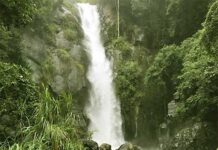
Small waterfalls, forest streams, and natural pools are scattered throughout the region. These water sources are typically clean and cold, fed by mountain runoff. Swimming may be possible in some areas, depending on weather and water levels.
3. Birdwatching and Nature Photography
Due to minimal human disturbance, the area is ideal for birdwatching and photography. Early mornings and late afternoons are the best times for observing wildlife.
4. Experience Rural Village Life
Nearby villages offer insight into traditional lifestyles based on agriculture and forest resources. Visitors who stay in homestays may experience local cooking, farming practices, and daily routines.
History of Morningside Deniyaya
During the British colonial period, Morningside was developed as a plantation estate, primarily for tea cultivation. Over time, changes in climate and land use led to a shift toward cardamom cultivation, which remains economically important today.
Historically, the area was part of the greater Sinharaja forest landscape. Large sections were cleared for plantations during colonial rule, permanently altering land use patterns. Today, conservation efforts aim to balance agriculture with forest protection.
The region’s isolation—surrounded by peaks such as Sooriyakanda and Iththakanda—has helped preserve much of its natural character.
How to Reach Morningside Deniyaya
- From Colombo
Travelers from Colombo typically take 4–5 hours to reach Deniyaya or Rakwana by car. The journey passes through scenic interior regions. From Deniyaya, the final stretch to Morningside requires a high-clearance vehicle.
- From Ratnapura
From Ratnapura, travelers can follow the A4 and A18 roads before turning toward Deniyaya. The final 7 km to Morningside is rough and often muddy.
- From Tangalle
From Tangalle, the route passes through rural southern towns before reaching Deniyaya and Suriyakanda.
Transport Considerations
- Only 4WD vehicles are recommended for the final access road
- Motorbikes with experienced riders may manage dry conditions
- Public transport does not reach Morningside directly
Accommodation Options
Accommodation in Morningside Deniyaya is intentionally limited.
- Forest Department Bungalows – Basic facilities, advance booking required
- Eco-lodges near Deniyaya – Sustainable accommodation close to forest trails
- Local homestays – Simple rooms with home-cooked meals
Most accommodations operate with limited electricity (often solar-powered) and no mobile network coverage.
Practical Travel Information
- Electricity: Limited or unavailable
- Mobile signal: Not available in most areas
- Shops: None nearby
- Medical facilities: Far from the site
- Permits: Required for some forest areas
Visitors must carry sufficient food, drinking water, medicines, and essential supplies. Weather conditions can change rapidly, and rain is common even during dry months. Travel insurance is recommended for those planning hikes or overnight stays.
Best Time to Visit
The most practical time to visit is from December to April, when rainfall is lower and access roads are more manageable. The monsoon season brings heavy rain, which can make trails dangerous and roads impassable.
Who Should Visit – and Who Should Avoid
Suitable For
- Experienced nature travelers
- Photographers and birdwatchers
- Travelers seeking silence and isolation
Not Suitable For
- Families with small children
- Elderly travelers
- Visitors expecting comfort or connectivity
Responsible Travel Tips
- Do not litter or disturb wildlife
- Avoid loud noises
- Follow local guidance
- Hire local guides where possible
- Respect conservation rules
Nearby Attractions Around Morningside Deniyaya
Although Morningside Deniyaya itself is remote, several notable natural and cultural attractions can be explored within a reasonable distance. These places complement a visit to Morningside and help travelers plan a longer stay in the region.
1. Sinharaja Forest Reserve (Approx. 25–30 km)
Sinharaja Forest Reserve is Sri Lanka’s most famous tropical rainforest and a UNESCO World Heritage Site. It is globally recognized for its exceptional biodiversity and high number of endemic species. Visitors can join guided nature walks to observe rare birds, reptiles, insects, and plant life. The forest is strictly protected, and entry is allowed only with authorized guides, making it ideal for responsible eco-tourism.
2. Suriyakanda (Approx. 7 km)
Suriyakanda is the closest town to Morningside Deniyaya and serves as a key access point. The surrounding area offers panoramic mountain views, cool weather, and forested landscapes. It is also a convenient place to arrange 4WD transport, hire local guides, or stock up on last-minute essentials before entering the Morningside area.
3. Rakwana Falls (Approx. 20 km)
Rakwana Falls is one of the tallest waterfalls in Sri Lanka, cascading dramatically from a forested cliff. The waterfall is best visited during or just after the rainy season when water flow is strongest. The surrounding area is ideal for photography, though swimming is not recommended due to strong currents and slippery rocks.
4. Deniyaya (Approx. 25 km)
Deniyaya is a small town known as one of the main gateways to Sinharaja Forest. Visitors can find basic accommodations, restaurants, fuel stations, and local transport services here. Deniyaya also offers views of tea estates and rolling hills, making it a pleasant stop for travelers exploring the southern highlands.
5. Rakwana (Approx. 30 km)
Rakwana is a quiet town surrounded by mountains and forest reserves. It acts as a connecting hub between hill-country routes and southern lowlands. Travelers passing through Rakwana can explore rural villages, small temples, and scenic viewpoints that showcase the natural beauty of the region.
FAQ
1. Where exactly is Morningside Deniyaya located?
Morningside Deniyaya is a remote highland area located near Suriyakanda, between Deniyaya and Rakwana, on the eastern edge of the Sinharaja rainforest region in southern Sri Lanka. It is not a town or village center, but a forested plantation and conservation zone accessed by a rough estate road.
2. Is Morningside Deniyaya inside Sinharaja Forest Reserve?
No. Morningside Deniyaya is not inside the official Sinharaja Forest Reserve. However, it lies within the broader Sinharaja ecosystem and shares similar rainforest characteristics. Some nearby forest sections are protected, and access rules may apply depending on the specific trail or location.
3. Is Morningside the same place as Deniyaya town?
No. Deniyaya town is a separate, more developed location with shops, roads, and accommodations.
Morningside Deniyaya is a remote forest and plantation area located several kilometers away, closer to Suriyakanda, with limited facilities and no town infrastructure.
4. Can you visit Morningside Deniyaya as a day trip?
Yes, but only if you plan carefully. A day trip is possible from Deniyaya or Rakwana if road conditions are dry and transport is arranged in advance. However, many visitors underestimate travel time and road difficulty. Staying overnight allows more flexibility, especially if weather conditions change.
5. Do you need a permit to visit Morningside Deniyaya?
Not always. General access to the area does not require a permit, but some forest sections and trails may require permission, especially those managed by the Forest Department. If in doubt, local guides or accommodation hosts can advise on current access rules.
6. Is Morningside Deniyaya safe for visitors?
For prepared travelers, yes. The main risks are weather, slippery trails, leeches, and limited access to medical help. There are no recorded safety issues related to crime or wildlife attacks involving visitors. Basic precautions, local guidance, and avoiding solo forest walks are recommended.
7. Are there leeches in Morningside Deniyaya?
Yes. Leeches are common, especially after rain. This is normal in rainforest environments in Sri Lanka. Most local travelers consider them an inconvenience rather than a danger and carry salt or leech socks. Being prepared makes a significant difference.
8. Is there mobile signal or internet coverage in Morningside Deniyaya?
In most areas, mobile signal is weak or unavailable. Internet access should not be expected. Travelers should inform someone of their plans in advance and download maps or information before arriving.
9. Is Morningside Deniyaya suitable for families with children?
Generally, no. Due to rough roads, lack of facilities, unpredictable weather, and limited medical access, Morningside Deniyaya is better suited for experienced nature travelers rather than families with young children.
10. What is the difference between Morningside and other eco-destinations in Sri Lanka?
Unlike popular eco-destinations, Morningside Deniyaya has no formal attractions, guided circuits, or tourist infrastructure. The experience is shaped by nature, weather, and local routines rather than organized activities. This appeals to some travelers but not all.
11. Why do some travelers feel disappointed after visiting Morningside Deniyaya?
Disappointment usually comes from expectation mismatch, not from the destination itself. Travelers expecting viewpoints, wildlife sightings, or comfort often feel underwhelmed. Those who visit for silence, forest atmosphere, and slow travel generally leave satisfied.
12. Is Morningside Deniyaya worth visiting if I’ve already seen Sinharaja?
Yes, for certain travelers. While it does not replace Sinharaja’s guided rainforest experience, Morningside offers a quieter, less regulated environment that allows visitors to observe how conservation, agriculture, and daily life coexist in the same landscape.
13. How much time should I spend in Morningside Deniyaya?
Most travelers find one or two nights sufficient. Longer stays are possible but depend heavily on weather, accommodation comfort, and personal interest in slow, nature-focused travel.
Final Thoughts
Morningside Deniyaya is not a conventional tourist destination. It offers no luxury, entertainment, or convenience. What it provides instead is space, silence, and an authentic connection to Sri Lanka’s rainforest environment. For travelers willing to adapt to its challenges, Morningside offers a meaningful and memorable experience rooted in nature.
MORE PLACES TO VISIT IN DENIYAYA >>
If you’ve visited Morningside Deniyaya, feel free to share your experience in the comments below and inspire other travelers to discover this incredible destination.
By Tour My Lanka Editorial Team
– promoting sustainable and authentic travel across Sri Lanka.
Last Updated: January 2026
All images used in this article are for illustrative purposes only. Images have been sourced from royalty-free image platforms such as Pixabay and Unsplash, or are used under appropriate licenses.