
🌿 Introduction
Tucked away in the southern foothills of the UNESCO-listed Sinharaja Forest Reserve, Lankagama is one of Sri Lanka’s most enchanting yet lesser-known destinations. This quiet village offers the perfect mix of nature, culture, and adventure – a refreshing escape for travelers seeking authenticity away from busy tourist routes.
About This Travel Guide
This guide is based on firsthand exploration and conversations with Lankagama villagers, local nature guides, and tea estate caretakers. Our goal is to provide accurate, experience-based insights to help travelers enjoy Lankagama responsibly and safely.
Quick Facts: Lankagama
District: Galle
Closest Towns: Deniyaya, Neluwa
Famous For: Waterfalls, rainforest hikes, village life
Best Season: December–April
Ideal Trip Length:1–3 days
Estimated Travel Costs
- Homestays: $15–$25 per night
- Meals: $3–$7 for local food
- Tuk-tuk from Deniyaya/Neluwa: $4–$10
- Sinharaja entry fee: Varies by entrance; check latest official rates
📍 Where Is Lankagama?
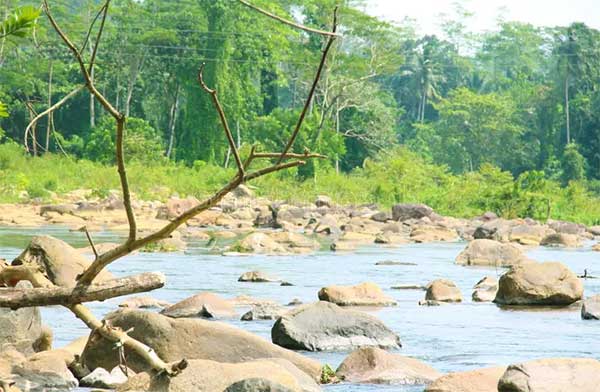
Lankagama lies within the Galle District, bordering Rathnapura and Matara. The nearest towns are Deniyaya and Neluwa, both offering easy access to the Sinharaja trailheads. The village is surrounded by rolling hills, lush tea plantations, and streams that feed several breathtaking waterfalls.
🌄 Why Visit Lankagama?
Lankagama remains one of the most untouched eco-tourism spots in Sri Lanka. Here’s what makes it special:
🌳 Proximity to Sinharaja Forest: Enjoy guided treks through one of the world’s richest rainforests.
🏡 Authentic Village Experience: Friendly locals, traditional food, and peaceful homestays.
🍃 Waterfalls & Natural Pools: Multiple cascades hidden deep in the rainforest.
☕ Tea Country Charm: Tour nearby estates and taste pure Ceylon tea.
🐦 Wildlife Encounters: Spot endemic birds, butterflies, and the occasional purple-faced langur.
🌊 Top Things to Do in Lankagama
1. Explore the Sinharaja Forest Reserve
Only a short drive away, Sinharaja offers an unforgettable rainforest experience. Join a registered local guide to explore winding trails alive with tropical bird calls and vibrant flora.
💡 Tip: Wear leech socks during the wet season (May–November) and bring water and rain gear.
2. Chase Waterfalls
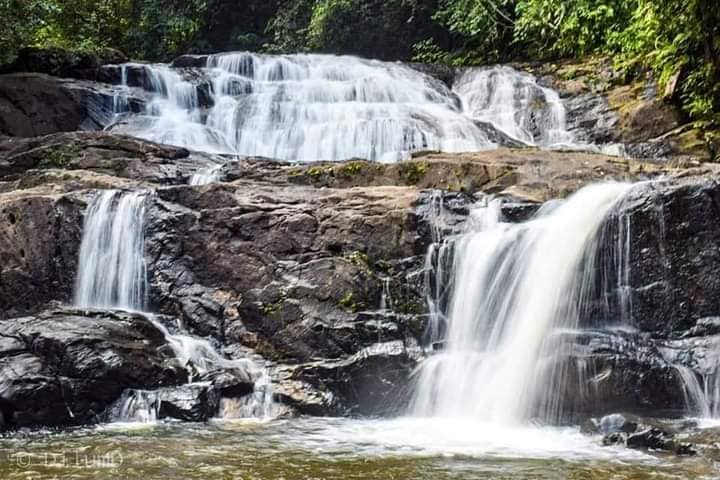
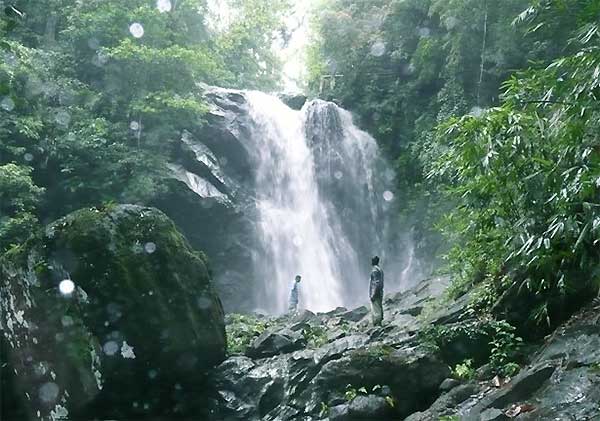
Lankagama is famous for its series of five waterfalls – all within easy hiking distance.
Each has its own charm:
- Brahmana Ella: The tallest and most dramatic, surrounded by mist and rainforest.
- Gal Oruwa Ella: Flows between two boulders that resemble a boat.
- Thattu Ella: A gentle, tiered fall perfect for photos.
- Doowili Ella: Known for its dust-like spray, creating a soft mist.
- Urakanda Ella: A local favorite for a refreshing swim.
🌿 Traveler Insight: Start early in the morning to visit multiple falls before noon, when sunlight filters through the jungle canopy—perfect for photography.
3. Visit Local Tea Plantations
A trip to southern Sri Lanka isn’t complete without experiencing its tea culture. Visit nearby estates in Ratnapura District to learn how tea is plucked and processed. Many offer tastings and small on-site tea shops where you can buy freshly packed Ceylon tea.
4. Experience Village Life
Stay at a local homestay to enjoy genuine Sri Lankan hospitality. Participate in cooking classes, learn to make rice and curry, and help in small vegetable gardens. The simplicity of rural life and the warmth of villagers make this an unforgettable experience.
5. Birdwatching and Nature Walks
Bring binoculars — this region is home to more than 150 bird species, including the Sri Lanka Blue Magpie and Red-faced Malkoha. Early mornings are best for sightings, and gentle light is best for photos.
Safety & Responsible Travel Tips
- Avoid swimming during heavy rain, as water levels in rainforest waterfalls rise quickly.
- Use official guides only, especially for Sinharaja treks — the forest is dense and easy to get lost.
- Do not attempt slippery rock areas, particularly around Brahmana Ella.
- Carry back your waste — Lankagama is extremely clean due to community effort.
- Avoid loud music and drones inside the forest buffer zone to protect wildlife.
🕓 Best Time to Visit
- Dry Season (December – April): Ideal for trekking and exploring waterfalls.
- Green Season (May – November): Lush scenery and fuller cascades, but trails can be muddy.
🚗 How to Get There
- From Colombo: ~4–5 hours via Ratnapura or Deniyaya.
- From Galle: ~3 hours along the A17 highway.
- Public Transport: Take a bus to Deniyaya or Neluwa, then hire a tuk-tuk or jeep to reach Lankagama.
⚠️ Roads narrow near the village — a 4WD vehicle is recommended.
🏡 Where to Stay
- Lankagama’s accommodation options are small but welcoming, ideal for eco-tourists:
- Lankagama Eco Lodge – Rustic jungle-view cabins.
- Lankagama Village Homestay – Family-run with local meals ($15–$25 per night).
- Sinharaja Green View Lodge – Close to the forest entrance, with guided tours available.
💡 Booking Tip: Reserve early during December–April via trusted travel platforms or directly with owners for local rates.
🍛 Where to Eat
Most guesthouses serve home-cooked Sri Lankan rice and curry, hoppers, and fresh fruits.
If you prefer eating out, Deniyaya town has small cafés and restaurants serving both local and international dishes.
Local Experiences in Lankagama
Unlike commercial tourist hubs, Lankagama is a tightly knit community where traditional lifestyles continue uninterrupted. During evenings, you may hear villagers beating “rabana” drums or see families preparing herbal infusions using leaves collected from the rainforest edge. Many homes still cook over clay stoves, giving meals a smoky, earthy aroma unique to this region.
You can also visit:
- Small spice gardens growing pepper, nutmeg, and clove
- Village blacksmiths crafting knives and tools by hand
- Mini tea factories operated by families for generations
How Lankagama Feels at Different Times of Day (What Most Guides Miss)
Many articles describe what you can do in Lankagama, but the experience here is shaped more by time of day than by a checklist of sights.
Early morning (5:30–8:00 AM):
This is when Lankagama feels most alive yet silent. Mist moves slowly across tea slopes, birds call from the forest edge, and villagers head out with machetes and baskets. Even a short walk at this hour feels immersive — photography is at its best, and wildlife is most active.
Midday (11:00 AM–2:30 PM):
The village becomes quiet. Heat builds, forest sounds soften, and most locals retreat indoors. This is the best time to rest, read, or enjoy a long home-cooked lunch rather than hiking.
Late afternoon & evening:
As light softens, village life returns. Children play near streams, smoke rises from kitchens, and you may hear distant drumming or chanting. Many travelers say this is when Lankagama feels most human rather than scenic.
Understanding this rhythm helps visitors plan realistically — and enjoy the village without feeling rushed or disappointed.
A Local Secret: Why Guides Matter More Here Than in Other Places
In many destinations, guides add information. In Lankagama, they add access and safety.
Trails here are informal, constantly changing with rain, fallen trees, and wildlife movement. A registered local guide doesn’t just explain plants — they:
- Read weather patterns before river crossings
- Know which waterfalls are unsafe after rain
- Recognize bird calls that signal nearby animals
Foreign travelers who walk alone often see less, not more. Those who walk with a guide tend to notice details they’d otherwise miss — medicinal leaves, animal tracks, and micro-habitats along streams.
Practical tip: Ask your homestay host to recommend a guide they personally know. This supports the village economy and ensures accountability.
The Waterfall Reality Check (Important for Safety)
Photos make Lankagama’s waterfalls look gentle. The reality changes fast.
What visitors should know:
- Water levels can rise within minutes after upstream rain
- Rocks are often moss-covered and deceptively slippery
- Calm-looking pools can have strong undercurrents
Locals judge safety by water color and sound, not just height. If water turns dark brown or sounds deeper than usual, swimming is avoided — even by experienced villagers.
This local awareness is one of the strongest arguments for traveling slowly and listening to advice rather than relying on maps or social media.
Why Lankagama Isn’t “Another Sinharaja Village”
Many foreign travelers group Lankagama with other Sinharaja access points. That’s a mistake.
What makes Lankagama different:
- It feels like a working village, not a tourist gateway
- Tourism here is woven into daily life, not built around it
- Encounters are unscripted — you may be invited for tea or a garden walk simply because you’re there
There are no souvenir streets, no performance schedules, and no rush to entertain visitors. This authenticity is exactly what draws travelers who value connection over convenience.
Cultural Awareness That Makes a Real Difference
Small gestures go a long way in Lankagama:
- Greet elders with a smile and a simple “Ayubowan”
- Ask before photographing people or private land
- Dress modestly, especially near homes and forest paths
Visitors who show respect are often welcomed into spaces others never see — kitchens, gardens, or evening gatherings. These moments rarely appear in itineraries but become lasting memories.
Who Lankagama Is Perfect For — And Who May Want to Skip It
✅ Ideal for travelers who:
- Enjoy slow travel and nature immersion
- Are comfortable with limited amenities
- Value community-based tourism
- Prefer experience over entertainment
⚠️ Might not suit travelers who:
- Expect luxury or nightlife
- Want fast-paced sightseeing
- Are uncomfortable with insects, humidity, or basic conditions
Lankagama rewards curiosity and patience. It offers little to those in a hurry.
A Thoughtful Way to Leave Lankagama
Before leaving, many visitors:
- Buy small quantities of local tea or spices
- Tip guides fairly rather than bargaining
- Share printed photos on a return visit (locals deeply value this)
These gestures strengthen community trust and help keep tourism here respectful and sustainable.
🗓️ Suggested 2-Day Itinerary
Day 1:
- Arrive from Colombo or Galle.
- Check into your homestay.
- Evening walk through the village and visit a local tea estate.
Day 2:
- Morning trek in Sinharaja Forest Reserve.
- Afternoon visit to Brahmana Ella and nearby waterfalls.
- Return for a local cooking session and traditional dinner.
🐾 Wildlife Highlights
Look out for:
- Purple-faced langurs
- Sri Lanka junglefowl
- Green pit vipers
- Giant squirrels
- Colorful endemic butterflies
People Also Ask – Lankagama (Experience-Based FAQs)
1. Does staying in Lankagama feel isolated or unsafe for foreign travelers?
No — but it does feel remote.
Lankagama is safe, quiet, and community-oriented, but it lacks the visible infrastructure of tourist towns. There are no late-night shops, taxis on demand, or emergency facilities nearby. Travelers who arrive prepared (cash, basic supplies, offline maps) usually feel secure and well looked after by hosts.
2. What is the biggest adjustment visitors need to make in Lankagama?
Adjusting expectations around time and convenience. Meals are cooked fresh, guides operate on natural rhythms, and plans may shift due to rain or forest conditions. Travelers who accept flexibility instead of rigid schedules tend to enjoy Lankagama far more.
3. Is Lankagama suitable for solo travelers?
Yes — particularly for nature-focused solo travelers.
Homestays are family-run and welcoming, and guides are accustomed to hosting individuals. That said, this is not a social backpacker hub. If you enjoy solitude, walking, reading, and observation, Lankagama is rewarding. If you seek nightlife or group activities, it may feel too quiet.
4. How physically demanding is a typical Lankagama experience?
More demanding than it appears in photos.
Short distances often involve steep paths, humidity, and uneven ground. You don’t need advanced fitness, but basic stamina and balance are important — especially around waterfalls and forest trails. Visitors who pace themselves and rest midday have the best experience.
5. Will language be a barrier in Lankagama?
Basic communication is rarely a problem.
While fluent English isn’t universal, hosts and guides communicate clearly through simple language, gestures, and patience. Travelers often find these interactions more meaningful precisely because they are slower and more personal.
6. Is Lankagama suitable during the monsoon season?
Yes — but for a different kind of experience.
During wetter months, waterfalls are dramatic and forests are intensely green, but hiking becomes slower and swimming is often unsafe. Visitors who enjoy atmosphere, photography, and staying close to their homestay find the monsoon season deeply immersive.
7. What do travelers usually underestimate about Lankagama?
How quiet it is.
Evenings are dark, calm, and free of distractions. For some travelers, this becomes the highlight — for others, it feels unfamiliar. Bringing a book, journal, or camera helps visitors appreciate the stillness rather than resist it.
8. How can visitors make a positive impact without “doing too much”?
The simplest actions matter most:
- Stay longer rather than hopping through
- Hire local guides recommended by your host
- Eat where you stay instead of bringing outside food
- Follow safety advice without pushing limits
Responsible travel in Lankagama is about respecting pace, not adding activities.
9. Is Lankagama better as a main destination or a side trip?
For most foreign travelers, it works best as a slow, intentional stop, not a quick detour. Spending at least one full night allows you to experience morning mist, evening village life, and forest sounds — which together define Lankagama more than any single attraction.
10. What kind of traveler usually loves Lankagama the most?
Those who value:
- Nature over nightlife
- Community over convenience
- Experience over entertainment
Travelers who come with curiosity — not expectations — often leave calling Lankagama the most genuine place they visited in Sri Lanka.
Videos
💬Final Thoughts: Why Lankagama Feels Different
Lankagama is not a destination that tries to impress you. It doesn’t announce itself with landmarks, luxury, or spectacle. Instead, it reveals itself slowly — through quiet mornings, unhurried conversations, and landscapes that feel untouched not because they are hidden, but because they are respected.
What many travelers remember most is not a single waterfall or forest trail, but a feeling: waking up to mist drifting through tea hills, sharing a simple meal cooked on a clay stove, or listening to the forest settle into silence after sunset. These moments are subtle, yet they stay with you long after the journey ends.
Lankagama invites you to travel differently. To slow down. To observe rather than consume. To accept that plans may change with the weather, and that beauty often appears when you stop trying to find it. In doing so, it offers something increasingly rare — a sense of presence.
For those willing to step away from fast itineraries and familiar comforts, Lankagama becomes more than a place on the map. It becomes a reminder of why we travel in the first place: not to collect destinations, but to feel connected — to nature, to people, and to ourselves.
If you leave Lankagama feeling calmer than when you arrived, then you’ve understood it exactly as it is.
If you’ve visited Lankagama, please share your experience in the comments below!
By Tour My Lanka Editorial Team
– promoting sustainable and authentic travel across Sri Lanka.
Last Updated: October 2025
Images in this article are for illustration purposes and sourced from royalty-free platforms such as Pixabay and Unsplash.
Disclaimer: Ticket prices, opening hours, and transportation costs mentioned in this article may change due to seasonal or administrative updates. Please confirm with the relevant local authorities before visiting.