
Kantale Tank is a reservoir that combines natural beauty, rich history, and cultural significance. Often overshadowed by the island’s more famous attractions, this hidden gem is a place to visit for travelers seeking tranquility, adventure, and a glimpse into Sri Lanka’s ancient irrigation heritage. In this travel guide, we’ll explore everything you need to know about Kantale Tank, from its fascinating history to the best things to do and see.
The History Behind Kantale Tank
Kantale Tank, also known as Ganthalawa Wewa, dates back to the Anuradhapura period (4th century BC – 10th century AD). It is believed that King Aggabodhi II (604–614 AD) initiated its construction, and later, King Parakramabahu I (1153–1186 AD) contributed to its expansion and restoration.
The tank was designed as a part of the sophisticated irrigation network developed by ancient Sri Lankan engineers, showcasing the brilliance of their hydrological expertise.
Details of Kantale Tank
The Kantale Tank covers an area of 23 sq km and has a carrying capacity of 115 Million cubic meters at full capacity. The dam is 16.75 meters high and 2.5 km long. Next to Kantale Tank is a smaller reservoir, which is now called Vendarasan Wewa.
This reservoir has been known as Jayaraja Wewa but its history is unknown. The general belief is that the Jayaraja Reservoir was built by King Wasabha (65-109 AD) and was donated to the Brahmin who was meditating in a nearby rock cave to heal his eyes. Today this reservoir is fed by Kantale Tank through 4 large tubes with a diameter of 3 meters.
Why Visit Kantale Tank?
- Scenic Beauty
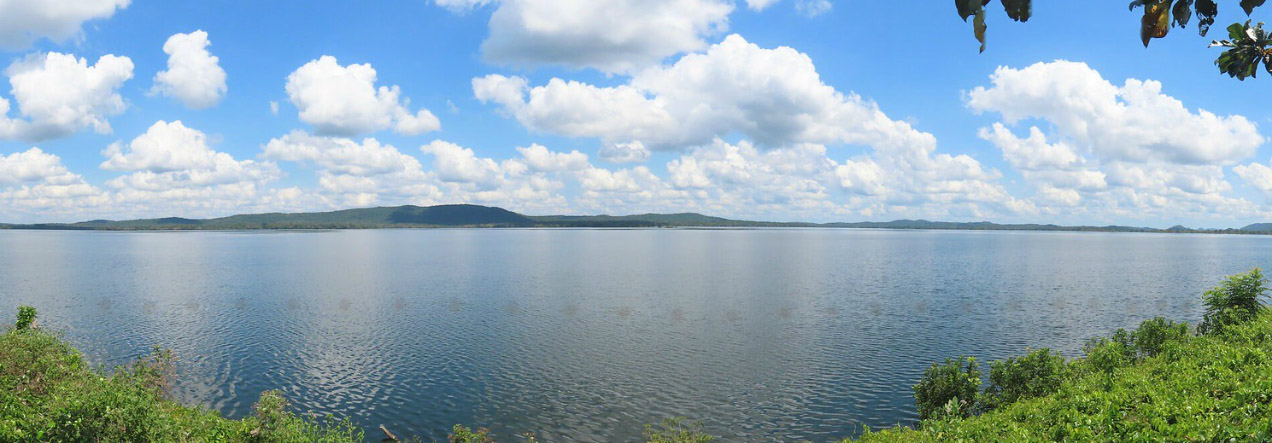
Surrounded by lush greenery and rolling hills, Kantale Tank offers a serene escape from the hustle and bustle of city life. The calm waters reflect the vibrant hues of the sky, creating a picturesque setting that’s photography and relaxation. - Birdwatching Paradise
The tank and its surrounding areas are a haven for birdwatchers. During the migratory season, you can spot a variety of bird species, including herons, egrets, and kingfishers. Don’t forget to bring your binoculars and camera! - Cultural Significance
Kantale Tank is deeply intertwined with Sri Lanka’s cultural heritage. The nearby Kantale Rajamaha Viharaya, an ancient Buddhist temple, is a place to visit for those interested in spirituality and history. - Off-the-Beaten-Path Experience
Unlike Sri Lanka’s more popular tourist destinations, Kantale Tank remains relatively undiscovered. This makes it an ideal spot for travelers looking to explore a quieter, more authentic side of the island.
What Most Visitors Miss at Kantale Tank
Most travelers see Kantale Tank as a scenic stop — a place to take photos and move on. Locals experience it very differently.
For villagers in Kantale, the tank is not just water; it is a daily rhythm. Early mornings, before sunrise, fishermen quietly push wooden canoes into the mist. By mid-morning, farmers arrive to check sluice gates and irrigation channels that still follow ancient alignments. In the evening, families gather along the bund not as tourists, but as a social space — children cycling, elders talking, vendors selling tea in reused glass bottles.
Traveler insight:
If you visit between 5:30–7:00 AM or after 5:30 PM, you’ll see the tank in use, not staged. This is when Kantale feels alive, not curated.
Kantale Tank as a Living Irrigation System
Most blogs talk about history, but few explain what still functions today.
Unlike many ancient reservoirs that are preserved but inactive, Kantale Tank still actively feeds agricultural land across the Trincomalee hinterland. The sluice gates you see are not decorative; they regulate real-time water distribution depending on rainfall and crop cycles.
Why this matters for travelers:
- You are not visiting a monument – you are witnessing a working ancient engineering system.
- Seasonal water levels are intentional, not neglect.
- Locals are protective of the tank because their livelihoods depend on it.
This understanding changes how you walk the bund, photograph the gates, and interact with locals.
Wildlife Without the Safari Label
Unique angle: Kantale Tank offers wildlife moments without jeeps, tickets, or fences.
You’re likely to see:
- Wild elephants crossing distant waterlines during drought months (usually early morning or dusk)
- Mugger crocodiles sunning on far banks (they rarely approach the bund)
- Water buffalo herds cooling off mid-day
- Fishing cats and otters reported by locals, though rarely seen by casual visitors
Important traveler note:
This is not a safari park. There are no guides, no protection barriers, and no feeding. Keep distance, stay on the bund, and never approach wildlife for photos.
The Bund Walk: Where to Start, Where to Stop
Local tip:
- Start from the Kantale town-side access, not the far rural end.
- Walk 1–1.5 km max unless you have transport waiting.
- The best views are near the central spill area, where water movement creates reflections and bird activity.
Why this matters:
The bund is long and exposed. First-time visitors often underestimate heat and distance and end up turning back exhausted.
Kantale Tank & Food: What to Eat Nearby
There are no tourist cafés at Kantale Tank – and that’s a good thing.
What you can find:
- Small roadside shops selling plain tea, jaggery sweets, boiled corn
- Rice & curry eateries in Kantale town used by farmers and bus drivers
- Seasonal fruit sellers (wood apple, mango, watermelon depending on month)
Traveler advice:
Eat after your visit, not before. Morning visits pair best with a simple tea stop; afternoons work better with a proper meal in town.
Who Kantale Tank Is NOT For
Kantale Tank may not suit:
- Travelers expecting cafés, viewpoints, or facilities
- Those looking for quick Instagram-style attractions
- Visitors uncomfortable with heat, insects, or rural environments
- Anyone expecting guided tours or information boards
It is ideal for:
- Slow travelers
- History and irrigation enthusiasts
- Birdwatchers who prefer quiet observation
- Visitors wanting to understand Sri Lanka beyond highlights
First-Time Visitor Mistakes
- Visiting only at midday (worst light, highest heat)
- Assuming the tank is abandoned or purely scenic
- Walking the full bund without water
- Flying drones near villages without permission
- Treating fishermen or farmers as photo subjects without asking
Things to Do at Kantale Tank
- Take a Leisurely Walk Along the Bund
The tank’s bund (embankment) offers a peaceful walking path with stunning views of the water and surrounding landscape. It’s a great way to soak in the natural beauty and enjoy some fresh air. - Visit the Kantale Rajamaha Viharaya
Located near the tank, this ancient temple is steeped in history and features beautiful murals and statues. It’s a peaceful place to reflect and learn about Sri Lanka’s Buddhist heritage. - Explore the Local Villages
The villages around Kantale Tank offer a glimpse into rural Sri Lankan life. Engage with the friendly locals, sample traditional cuisine, and learn about their way of life. - Photography Opportunities
Whether you’re capturing the sunrise over the water, the vibrant birdlife, or the lush greenery, Kantale Tank is a photographer’s dream.
Nearby Attractions
While visiting Kantale, travelers can explore nearby attractions such as:
- Somawathiya National Park – A sacred and biodiverse national park known for its ancient stupa.
- Trincomalee – A coastal city with stunning beaches, the famous Koneswaram Temple, and Fort Frederick.
- Minneriya National Park – Famous for the Great Elephant Gathering, a spectacular wildlife event.
How to Get to Kantale Tank
Kantale Tank is located approximately 40 kilometers southwest of Trincomalee, a popular coastal city in Sri Lanka’s Eastern Province. Here’s how you can reach this hidden gem:
From Colombo: Take the A6 highway towards Trincomalee. The journey takes about 5-6 hours by car.
From Trincomalee: Kantale Tank is just a 45-minute drive away. You can hire a tuk-tuk or taxi for a convenient trip.
Public Transport: Buses and trains are available from major cities to Kantale town. From there, you can take a short tuk-tuk ride to the tank.
Best Time to Visit
The best time to visit Kantale Tank is during the dry season, from May to September, when the weather is pleasant and the skies are clear. Early mornings and late afternoons are ideal for birdwatching and photography, as the light is soft and the temperatures are cooler.
Tips for Travelers
- Wear comfortable clothing and footwear, especially if you plan to walk along the bund.
- Bring sunscreen, a hat, and plenty of water, as the area can get quite sunny.
- Respect the local culture and environment by avoiding littering and dressing modestly when visiting temples.
- Consider hiring a local guide to learn more about the tank’s history and significance.
FAQ
1. Is Kantale Tank worth visiting?
Yes — if you value quiet landscapes, history, and everyday local life rather than tourist facilities. Kantale Tank is not a sightseeing “stop” with cafés or ticket counters. It’s a working ancient reservoir where you can observe fishermen, farmers, birdlife, and Sri Lanka’s irrigation heritage in real time. Travelers looking for calm, authentic experiences tend to appreciate it more than those seeking structured attractions.
2. How much time should I spend at Kantale Tank?
Most visitors spend 45 minutes to 1.5 hours. Early morning or late afternoon visits may last longer if you enjoy walking along the bund, birdwatching, or photography. There are no formal activities, so the experience depends on how slowly you choose to explore.
3. What is the best time of day to visit Kantale Tank?
The best time is early morning (5:30–7:30 AM) or late afternoon (5:30–6:30 PM). These hours offer cooler temperatures, better light, more bird activity, and visible local life. Midday visits are possible but can feel harsh due to heat and glare.
4. Can you see elephants at Kantale Tank?
Elephants are occasionally seen at a distance, especially during dry periods when water sources shrink. Sightings are unpredictable and usually happen early morning or near dusk. Kantale Tank is not a safari location, so visitors should never expect guaranteed wildlife sightings or approach animals.
5. Is Kantale Tank safe for visitors?
Yes, for most travelers. The area is open, calm, and commonly used by locals. Basic precautions apply: stay on the bund, avoid wandering into overgrown areas, keep distance from wildlife, and avoid visiting alone after dark. There are no lifeguards or safety barriers, as this is not a managed tourist site.
6. Are there entrance fees or opening hours for Kantale Tank?
No. Kantale Tank is free to visit and accessible throughout the day. Since it is part of an active irrigation system and local environment, there are no gates, ticket counters, or official opening times.
7. Can you walk around Kantale Tank?
You can walk along sections of the bund, which provides the best views. Walking the entire length is possible but not recommended unless you have transport waiting, as the bund is long, exposed, and offers little shade. Most visitors walk a short stretch and return.
8. Are boat rides available at Kantale Tank?
Boat rides are not a regular tourist activity. Occasionally, local fishermen or residents may offer short rides, but there is no formal service, pricing, or safety equipment provided. Travelers should not rely on boat rides being available.
9. Is Kantale Tank suitable for families with children?
It can be, but with supervision. There are no railings, play areas, or facilities, and the bund edges are open. Families who enjoy nature walks and quiet outdoor spaces may enjoy the visit, but it’s not designed as a family attraction.
10. What should I wear when visiting Kantale Tank?
Light clothing, a hat, and comfortable walking shoes are ideal. Early mornings can feel cool, while midday heat can be intense. If visiting nearby temples afterward, modest clothing is recommended.
11. Are there food or restrooms near Kantale Tank?
There are no facilities directly at the tank. Small tea shops and local eateries are available in Kantale town, a short drive away. Visitors should carry water, especially if walking along the bund.
12. How far is Kantale Tank from Trincomalee?
Kantale Tank is about 40 km from Trincomalee, roughly a 45-minute drive depending on traffic. Many travelers visit it as a half-day stop while traveling inland from the coast.
13. Is Kantale Tank good for photography?
Yes, especially for landscape, bird, and daily-life photography. The best results come during sunrise and sunset, when reflections, mist, and soft light transform the scene. Drone use should be done cautiously and respectfully, avoiding villages and people.
14. Is Kantale Tank crowded with tourists?
No. Kantale Tank remains largely untouched by mass tourism. You’re more likely to encounter locals than other travelers, which is part of its appeal.
Videos
Other attractions around Trincomalee
If you’ve visited Kantale Tank, feel free to share your experience in the comments below and inspire other travelers to discover this incredible destination.
By Tour My Lanka Editorial Team
– promoting sustainable and authentic travel across Sri Lanka.
Last Updated: December 2025
Images in this article are for illustration purposes and sourced from royalty-free platforms such as Pixabay and Unsplash.