
Kanniya Hot Water Springs, a natural wonder, is not only a testament to the island’s geological marvels but also a site steeped in history, culture, and therapeutic benefits. Whether you’re a history buff, a nature lover, or someone seeking relaxation, Kanniya Hot Water Springs is a must-visit destination on your Sri Lankan itinerary.
The Legend and History of Kanniya Hot Water Springs
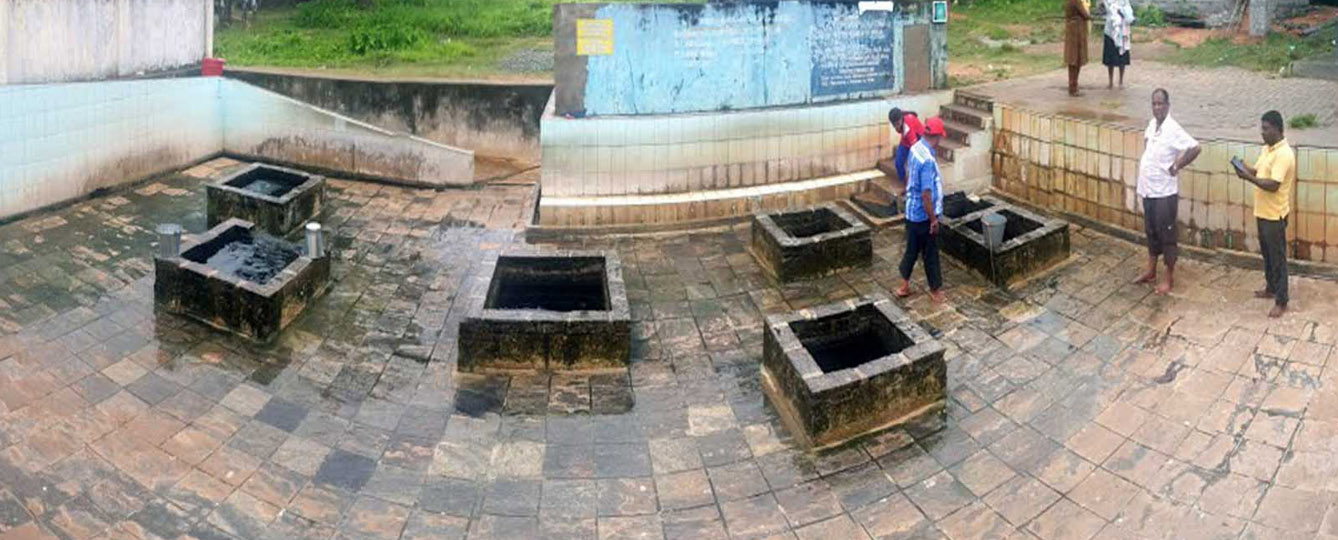
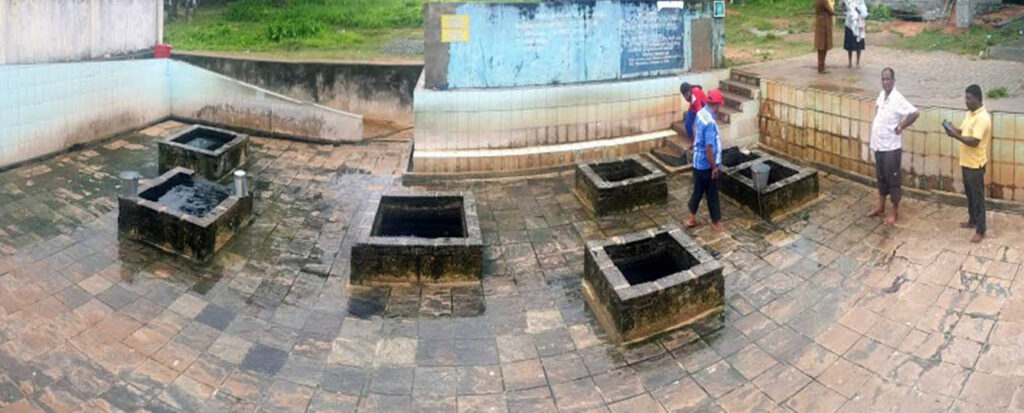
The Kanniya Hot Water Springs are shrouded in myth and legend, dating back to the era of the Ramayana. According to local folklore, these springs were created by King Ravana, the mythical ruler of Lanka. It is believed that Ravana, in a fit of rage, struck the ground with his sword seven times, causing hot water to gush out from the earth. Today, the site features seven wells, each with varying temperatures, offering a unique experience to visitors.
Historically, the springs have been a place of ritual and healing for centuries. The site is considered sacred by both Hindus and Buddhists, who visit to perform religious rites and seek blessings. The tranquil ambiance and spiritual significance make it a serene escape from the hustle and bustle of modern life.
Present Situation
On 9 September 2011, the seven hot water wells, Chaitya mound, and other scattered building ruins on the site were formally recognized by the Government as archaeologically protected monuments. The designation was declared under the government Gazette number 1723.
The Natural Phenomenon of the Hot Springs
The Kanniya Hot Water Springs are a fascinating natural phenomenon. The water in the seven wells is heated geothermally, with temperatures ranging from warm to hot. Unlike other hot springs around the world, the water here is not steaming but pleasantly warm, making it ideal for a soothing dip.
Each well has a distinct temperature, allowing visitors to choose the one that suits their preference. Many visitors believe the warm water helps them feel relaxed after bathing, though experiences vary from person to person.
What to Expect When Visiting Kanniya Hot Water Springs
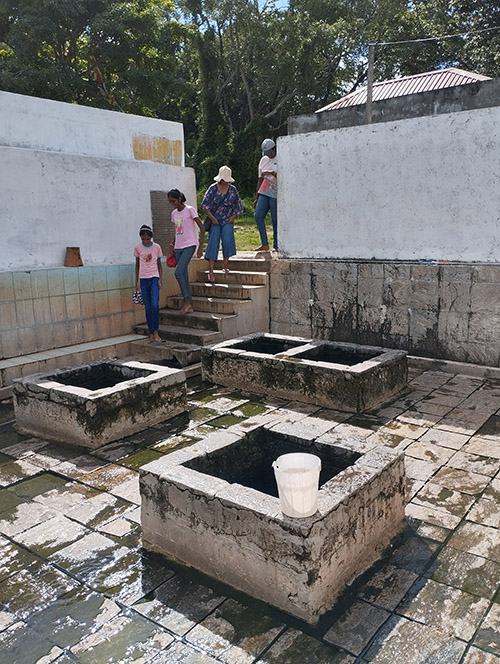
- The Seven Wells: The main attraction is the seven square-shaped wells, each about 3-4 feet deep. The water is clear and warm, and visitors can step into the wells for a relaxing soak. The wells are surrounded by a low wall, ensuring privacy and a peaceful experience.
- Sacred Atmosphere: The site is surrounded by lush greenery and has a tranquil, almost meditative atmosphere. You’ll often see locals performing rituals or offering prayers, which adds to the spiritual ambiance of the place.
- Cultural Significance: The springs are located near the ancient Kanniya Temple, which is worth a visit. The temple and the springs together offer a glimpse into the rich cultural and religious heritage of Trincomalee.
- Photography Opportunities: The serene environment and unique natural features make the springs an excellent spot for photography. Capture the beauty of the wells, the surrounding foliage, and the spiritual activities taking place.
What Kanniya Hot Springs Is Really Like
Many first-time visitors arrive at Kanniya expecting something similar to a resort hot spring or a natural rock pool. The reality is more modest — and that’s exactly why locals value it.
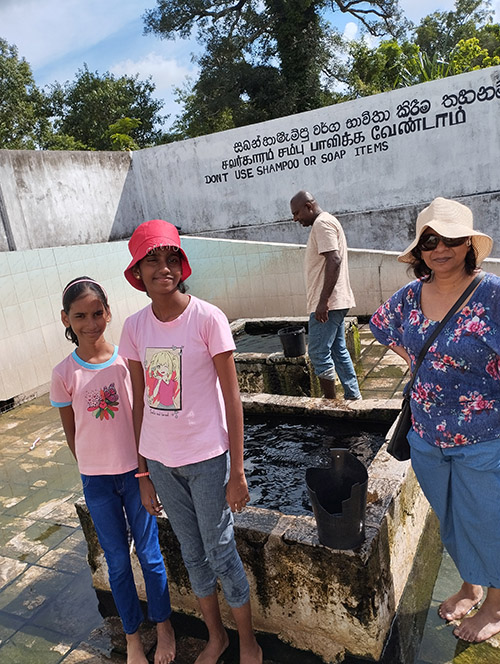
Kanniya is a ritual bathing site, not a leisure spa. The wells are shallow, square, and closely spaced, and bathing is done by pouring water over yourself using buckets, not soaking for long periods. Conversations are quiet, movements are respectful, and time spent at each well is intentionally short so others can take their turn.
For travelers who enjoy observing local customs and participating respectfully, this makes the experience more meaningful than relaxing. For those looking to unwind physically, nearby beaches like Nilaveli or Uppuveli may feel more satisfying.
Unwritten Rules Locals Follow
These rules are rarely explained on signboards, but locals follow them instinctively:
- Start from one end and move well-by-well
Jumping randomly between wells is considered disrespectful during busy hours. - No lingering
Even if the water feels pleasant, staying too long slows the flow for others. - Quiet voices matter
Loud conversations, phone calls, or video recording can draw unwanted attention. - Footwear etiquette
Many locals remove footwear before approaching the wells — following suit avoids awkward moments.
Following these unspoken customs instantly earns goodwill and makes the visit smoother.
Crowds, Timing, and the Best 20 Minutes of the Day
Most guides recommend “early morning,” but here’s the more realistic version:
- Best window: 7:30–8:30 a.m. on weekdays
- Busiest times: Weekends, public holidays, and full-moon days (Poya)
- Least pleasant time: Late morning to early afternoon (heat + tour vans)
If you arrive during peak hours, expect to spend more time waiting than bathing. The entire experience can still be meaningful — but patience becomes part of it.
Why the Water Feels Different in Each Well
Visitors often notice that one well feels noticeably warmer or “heavier” than the next, even though they’re only a few steps apart. Locals attribute this to natural underground flow paths rather than mineral differences.
Whether or not you believe in energetic or healing qualities, the temperature variation is real — and most visitors instinctively find one well that feels more comfortable than the others. That personal preference is part of what keeps people returning.
Who This Place Is For — and Who May Want to Skip It
Good fit if you:
- Enjoy culturally rooted experiences
- Are curious about everyday local rituals
- Prefer authenticity over comfort
- Don’t mind simple facilities
You may want to skip if you:
- Expct privacy or spa-like amenities
- Dislike crowds or shared spaces
- Want long, relaxing soaks
Being honest about this upfront reduces disappointment and improves trust with readers.
Common First-Time Mistakes at Kanniya Hot Springs
- Arriving in swimwear only (modest clothing is expected)
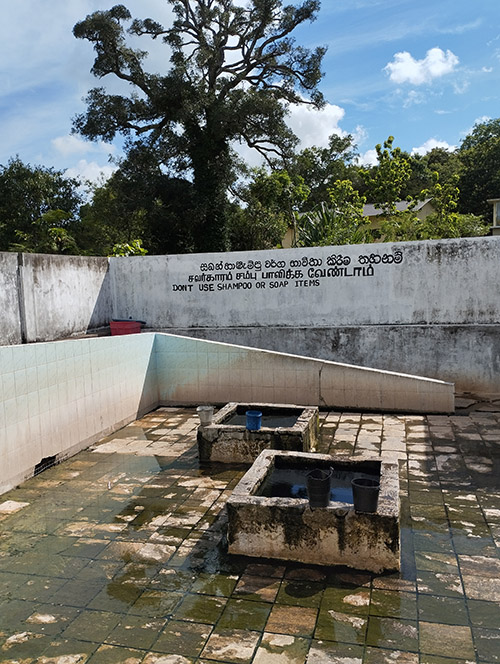
- Bringing soap or shampoo (strictly prohibited)
- Expecting changing rooms or lockers
- Planning the visit as a long activity (most visits last 15–30 minutes)
- Treating it as a photo stop rather than a cultural site
Avoiding these makes the visit smoother and more respectful.
How to Get to Kanniya Hot Water Springs
Kanniya Hot Water Springs are located approximately 8 km from Trincomalee town. You can reach Trincomalee by bus, train, or private vehicle from Colombo (about a 6-7 hour drive). From Trincomalee, the springs are easily accessible by tuk-tuk or taxi.
Best Time to Visit
The springs can be visited year-round, but the best times are early morning or late afternoon to avoid the midday heat. Trincomalee’s dry season (May to September) is ideal for travel.
Essential Tips for Visitors
- Entry Fee: A small fee is charged for maintenance and upkeep.
- Dress Modestly: Since this is a culturally significant site, it’s advisable to wear respectful attire.
- Bring Extra Clothes: If you plan to bathe in the hot springs, carry a change of clothes.
- Avoid Littering: Keep the surroundings clean and respect the environment.
Nearby Attractions
Combine your visit to the springs with other Trincomalee attractions, such as Nilaveli Beach, Pigeon Island, and the Koneswaram Temple.
FAQ
1. Is Kanniya Hot Springs worth visiting?
Yes, if you’re interested in local culture and traditional bathing practices rather than a luxury experience. Kanniya Hot Springs is valued more for its cultural and ritual significance than for relaxation or comfort.
2. Can tourists bathe at Kanniya Hot Springs?
Yes. Tourists are allowed to bathe, but bathing is done using buckets rather than soaking. Visitors are expected to follow local customs and allow others to take turns, especially during busy hours.
3. How hot is the water at Kanniya Hot Springs?
The water temperature generally ranges between 38°C and 42°C, depending on the well. Some wells feel noticeably warmer than others, even though they are only a few steps apart.
4. How much time do you need at Kanniya Hot Springs?
Most visitors spend 15 to 30 minutes at the site. It’s not designed for long stays, and lingering is discouraged when others are waiting.
5. Is Kanniya Hot Springs a natural hot spring or man-made?
The hot water is natural, rising from underground geothermal sources. The square wells themselves were constructed to manage water access and preserve the site.
6. Is Kanniya Hot Springs crowded?
It can be crowded on weekends, public holidays, and Poya days. Weekday mornings are usually quieter and offer a more peaceful experience.
7. Can you use soap or shampoo at Kanniya Hot Springs?
No. The use of soap, shampoo, or shower gel is prohibited to protect the water and respect the site’s cultural importance.
8. Is there a dress code for Kanniya Hot Springs?
There’s no strict dress code, but modest clothing is strongly recommended. Swimwear alone may attract unwanted attention, especially during busy local hours.
9. Are there changing rooms or lockers at Kanniya Hot Springs?
Facilities are very basic. There are no lockers, and changing areas are limited, so visitors should plan accordingly.
10. Is Kanniya Hot Springs suitable for children?
Yes, but children should be supervised at all times. The wells are shallow, but the water can feel hot for younger children.
11. What is the best time of day to visit Kanniya Hot Springs?
Early morning is best, especially between 7:30 a.m. and 8:30 a.m. This avoids heat, crowds, and tour groups.
12. Is Kanniya Hot Springs a religious place?
Yes. The site is considered sacred by both Hindus and Buddhists, and many visitors come for ritual or spiritual reasons rather than leisure.
13. Can you take photos at Kanniya Hot Springs?
Photography is allowed, but visitors should avoid photographing people during bathing or religious activities. Being discreet and respectful is important.
14. Is Kanniya Hot Springs good for relaxing like a spa?
Not really. Kanniya is a cultural and ritual bathing site, not a spa or wellness center. Travelers looking for relaxation usually prefer nearby beaches instead.
15. Where is Kanniya Hot Springs located?
Kanniya Hot Springs is located about 8 km from Trincomalee town, and can be reached easily by tuk-tuk or taxi.
16. Can Kanniya Hot Springs be combined with other attractions?
Yes. Many visitors combine Kanniya with Koneswaram Temple, Nilaveli Beach, or a Trincomalee city tour on the same day.
Videos
Why Kanniya Hot Water Springs Should Be on Your Travel Bucket List
Kanniya Hot Water Springs offer a unique blend of natural beauty, cultural significance, and therapeutic benefits. Whether you’re looking to unwind, explore Sri Lanka’s rich history, or enjoy a one-of-a-kind experience, this destination has something for everyone. The springs are a testament to the island’s diverse attractions, proving that Sri Lanka is more than just beaches and wildlife.
So, the next time you find yourself in Trincomalee, don’t miss the chance to visit the Kanniya Hot Water Springs. Immerse yourself in the warm, healing waters, soak in the spiritual ambiance, and create memories that will last a lifetime.
Other attractions around Trincomalee >>
If you’ve visited Kanniya Hot Water Springs, feel free to share your experience in the comments below and inspire other travelers to discover this incredible destination.
By Tour My Lanka Editorial Team
– promoting sustainable and authentic travel across Sri Lanka.
Last Updated: January 2026
Images in this article are for illustration purposes and sourced from royalty-free platforms such as Pixabay and Unsplash.