

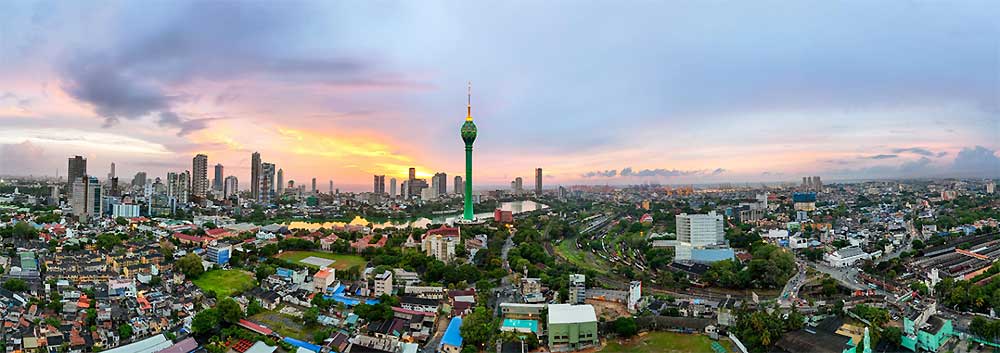
Sri Lanka has re-emerged as one of Asia’s most talked-about travel destinations. From misty tea plantations to wildlife safaris and tropical beaches, the island attracts millions of visitors each year. But one question still appears frequently in Google searches:
“Is Sri Lanka safe to travel?”
The short answer: Yes — Sri Lanka is generally safe for tourists in 2026, especially in popular travel regions. However, like any destination, travelers should understand the local situation, potential risks, and simple precautions that make a trip smoother and safer.
This guide takes a realistic, experience-based approach to help you understand the current safety situation in Sri Lanka — not just statistics or official statements, but practical advice that real travelers need.
Is Sri Lanka Safe to Travel in 2026?
For most travelers, Sri Lanka is a safe destination, and tourism infrastructure is functioning normally across the country. Popular destinations such as Colombo, Galle, Ella, Mirissa, Kandy, and Sigiriya continue to welcome visitors without major restrictions.
Tourists rarely experience serious crime, and most reported incidents involve minor theft or scams rather than violence.
International travel advisories typically recommend “exercising a high degree of caution,” which is common advice for many global destinations.
In practical terms, this means:
- Stay aware of your surroundings
- Avoid political demonstrations
- Keep valuables secure
- Follow local advice if conditions change
Millions of travelers visit the island every year, and Sri Lanka recorded over 2.36 million tourists in 2025, with plans to increase arrivals further in 2026.
For most travelers, the biggest surprises are not safety concerns — but the warm hospitality of locals and the relaxed pace of travel.
Understanding Safety in Sri Lanka: The Real Picture
Many travelers still associate Sri Lanka with past events like the civil war, the 2019 Easter attacks, or the 2022 economic crisis.
However, these events do not reflect the current everyday travel experience.
1. Post-crisis stability
Sri Lanka went through economic and political challenges in 2022. Since then, tourism areas have largely stabilized, and visitor travel continues normally.
Hotels, transport services, and tourist attractions operate as usual.
2. Security presence in tourist areas
You may notice security checkpoints near:
- airports
- major hotels
- cultural sites
- railway stations
These measures are routine and designed to protect visitors.
3. Friendly local culture
Sri Lanka has a strong culture of hospitality. Many locals will go out of their way to help travelers — especially in rural areas.
For many visitors, the most common experience is being invited to:
- drink tea
- share local food
- learn about village life
Crime and Tourist Safety
Violent crime
Violent crime involving tourists is very rare in Sri Lanka.
Most serious crimes occur between local criminal groups rather than targeting foreign visitors.
Petty crime
Like most tourist destinations, the most common issues are minor crimes such as:
- pickpocketing
- bag snatching
- small scams
These incidents typically occur in crowded areas like:
- public buses
- markets
- railway stations
Tourists who use basic precautions rarely encounter problems.
Common Tourist Scams in Sri Lanka (and How to Avoid Them)
Being aware of typical scams helps travelers avoid uncomfortable situations.
Tuk-tuk overcharging
Tuk-tuk drivers sometimes quote high prices to tourists.
How to avoid it
- Use apps like PickMe or Uber
- Agree on a price before starting the ride
- Ask locals or hotel staff about normal fares
“Temple is closed” scam
Someone may approach you near a tourist site saying:
“The temple is closed today — I can take you somewhere else.”
Often they redirect you to shops that pay commissions.
Tip:
Always verify opening hours yourself.
Fake tour guides
Unlicensed guides may approach tourists near major attractions.
Tip:
Hire guides through hotels or licensed agencies.
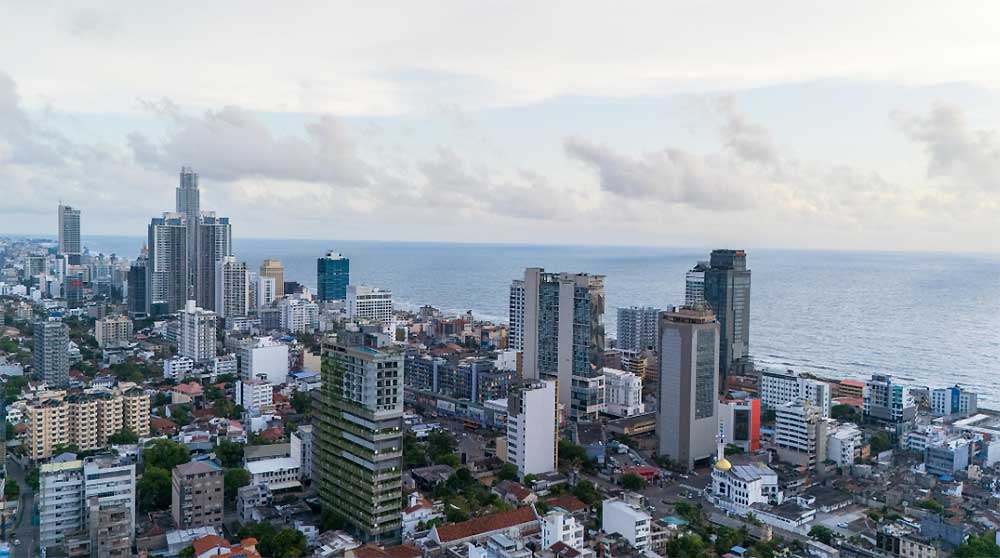
Safety for Solo Travelers
Sri Lanka is popular with solo travelers, including backpackers and digital nomads.
Why solo travelers like Sri Lanka
- Easy public transport
- English widely spoken
- Friendly locals
- Compact travel distances
Practical solo travel tips
- Book accommodation with good reviews
- Share your travel plans with family
- Use ride-hailing apps for transport
- Avoid isolated areas late at night
Many travelers report that Sri Lanka feels more welcoming than many other Asian destinations for solo exploration.
Is Sri Lanka Safe for Female Travelers?
Female travelers frequently ask this question.
In general, Sri Lanka is safe for women, but cultural differences mean some precautions are useful.
What female travelers might notice
Occasionally:
- staring
- friendly curiosity
- unsolicited conversation
These situations are usually harmless but can feel uncomfortable.
Helpful tips
- Dress modestly in villages and temples
- Avoid walking alone late at night
- Use registered taxis or ride apps
- Ignore persistent street attention
Many solo female travelers report that locals are respectful and helpful when approached.
Political Protests and Demonstrations
Political demonstrations can occur occasionally in Sri Lanka.
Travel advisories recommend avoiding protest areas because they can disrupt traffic or transport.
For travelers, this rarely affects tourism areas directly.
Practical advice
If a protest occurs:
- avoid the area
- follow police instructions
- check local news or hotel updates
Most demonstrations occur in major cities such as Colombo, not tourist beach areas.
Natural Risks Travelers Should Know
Sri Lanka is a tropical island, which means natural conditions can sometimes affect travel.
Monsoon seasons
Heavy rain can cause flooding or landslides during monsoon periods.
There are two main monsoon seasons:
- May – October (southwest coast)
- December – March (northeast coast)
However, monsoon rain often occurs in short bursts rather than all-day storms.
Ocean safety
Strong currents can occur on some beaches.
Always check for:
- lifeguard flags
- local swimming advice
- surf conditions
Wildlife safety
Sri Lanka has incredible wildlife, but follow park rules when visiting:
- elephants
- crocodiles
- monkeys
Never approach animals for photos.
Health and Medical Safety
Healthcare in Sri Lanka is generally good in cities and tourist regions.
Hospitals
Major cities like Colombo, Kandy, and Galle have:
- private international hospitals
- English-speaking doctors
- emergency care
Travel health tips
Before visiting:
- get travel insurance
- bring mosquito repellent
- drink bottled or filtered water
Mosquito-borne illnesses such as dengue occasionally occur, so avoid mosquito bites when possible.
Transport Safety in Sri Lanka
Transportation is one of the few areas where travelers should be cautious.
Roads
Driving standards may feel chaotic to visitors.
Expect:
- narrow roads
- overtaking buses
- unpredictable traffic
For long distances, many travelers hire:
- private drivers
- guided tour vehicles
Trains
Sri Lanka’s train journeys are famous worldwide.
Routes like:
- Kandy → Ella
- Nanu Oya → Ella
are considered safe and scenic.
Areas Tourists Visit Safely
The main tourist regions in Sri Lanka are widely considered safe and well-developed.
Popular destinations include:
These areas have strong tourism infrastructure and regular international visitors.
Cultural Etiquette and Safety
Respecting local culture helps avoid misunderstandings.
Temple etiquette
When visiting temples:
- remove shoes
- cover shoulders and knees
- avoid posing with your back to Buddha statues
Photography rules
- Never climb or sit on religious statues.
Public behavior
- Sri Lanka is relatively conservative.
- Public displays of affection are uncommon.
Practical Safety Tips From Local Experience
Here are some simple tips locals often give travelers:
1. Use hotel safes
Keep passports and extra cash secure.
2. Carry small bills
Useful for tuk-tuks and street vendors.
3. Ask locals for help
Sri Lankans are usually happy to assist travelers.
4. Avoid deserted beaches at night
5. Save emergency numbers
Important contacts:
- Tourist police hotline: 1912
- Emergency police: 119
Why Travelers Often Feel Safe in Sri Lanka
Visitors frequently mention three things that make Sri Lanka feel comfortable:
1. Hospitality
Sri Lankans have a strong culture of welcoming guests.
2. Compact geography
Travel distances are short, making logistics easy.
3. Strong tourism community
Tourism is a key part of the economy, so locals are generally supportive of visitors.
FAQs: Sri Lanka Safe to Travel
Is Sri Lanka safe to travel right now?
Yes. Sri Lanka is generally safe for tourists, with most travel advisories recommending only increased caution. Violent crime against tourists is rare, though petty theft can occur in crowded areas.
Is Sri Lanka safe for solo travelers?
Yes. Solo travelers regularly visit Sri Lanka and find it easy to navigate thanks to English-speaking locals, public transport, and welcoming communities.
Is Sri Lanka safe for female travelers?
Sri Lanka is generally safe for women traveling alone, though modest dress and basic precautions are recommended, especially at night.
What are the biggest risks for tourists?
The most common issues are minor scams, tuk-tuk overcharging, and occasional pickpocketing in crowded places.
Are tourist areas safe in Sri Lanka?
Yes. Major tourist areas such as Ella, Mirissa, Sigiriya, and Galle are well-developed and regularly visited by international travelers.
Do tourists need travel insurance?
Yes. Travel insurance is strongly recommended to cover medical emergencies, trip cancellations, and unexpected events.
Final Verdict: Is Sri Lanka Safe to Travel?
For most visitors, Sri Lanka is safe to travel in 2026, especially when using common-sense precautions.
Key takeaways:
- Violent crime against tourists is rare
- Petty theft and scams are the main risks
- Tourist regions operate normally
- Political protests occasionally occur but are easy to avoid
Travelers who stay aware, respect local culture, and follow basic safety habits usually have a smooth and memorable trip.
Sri Lanka remains one of the few destinations where you can experience:
- ancient cities
- tropical beaches
- wildlife safaris
- tea plantations
—all within a few hours of travel.
For many visitors, the island becomes not just a holiday destination, but a place they want to return to again.
If you’ve visited Sri Lanka, please share your experience in the comments below!
By Tour My Lanka Editorial Team
– promoting sustainable and authentic travel across Sri Lanka.
Last Updated: March 2026
Images in this article are for illustration purposes and sourced from royalty-free platforms such as Pixabay and Unsplash.