
Introduction
Great Western Mountain stands as the sixth-highest peak in the country, offering breathtaking views, challenging hiking trails, and an unforgettable experience for nature lovers and adventure seekers alike. Located in the picturesque Nuwara Eliya district, this lesser-known trekking destination is perfect for those who wish to escape the usual tourist crowds and immerse themselves in the island’s natural beauty.
Why Visit the Great Western Mountain?
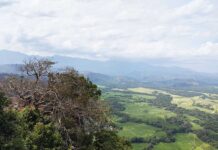
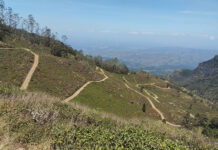
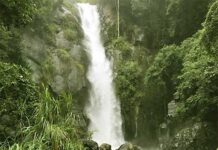
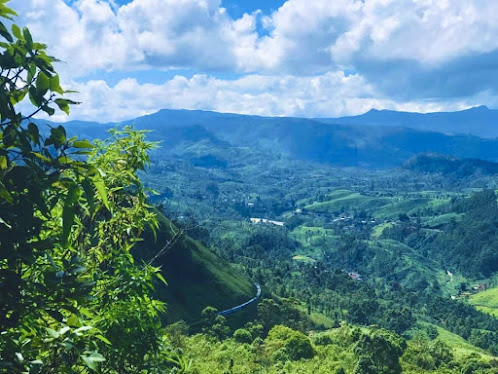
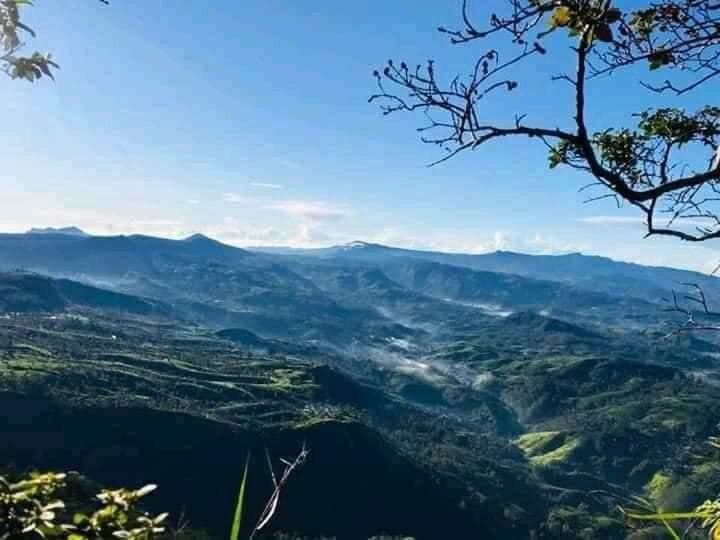
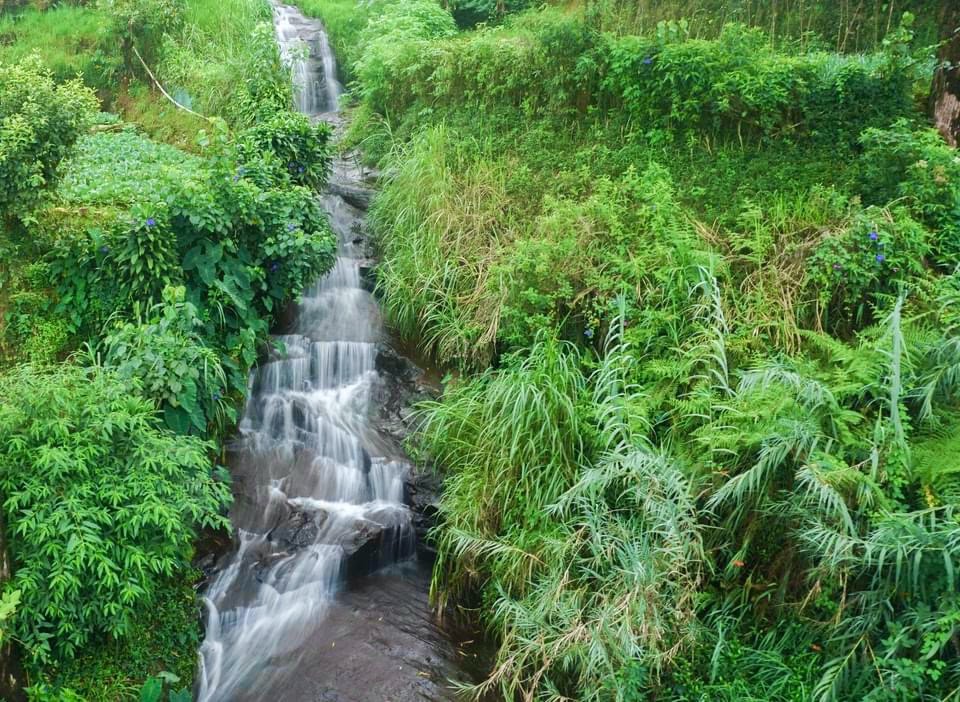
The Great Western Mountain is one of the most scenic spots in Nuwara Eliya, often referred to as “Little England” due to its colonial charm and temperate weather. This mountain offers panoramic views of lush tea plantations, mist-covered valleys, and cascading waterfalls. Whether you’re a hiker, photographer, or simply someone who appreciates natural beauty, the Great Western Mountain promises an unforgettable experience.
Hiking to the Summit
The hiking trail to the top of Great Western Mountain is not for the faint-hearted but is well worth the effort. It is considered one of the more challenging hikes in Sri Lanka due to steep inclines and unpredictable weather conditions.
Trail Details:
Difficulty Level: Moderate to Difficult
Duration: 4-6 hours (round trip)
Best Time to Visit: December to April (Dry season)
Altitude: 2,212 meters
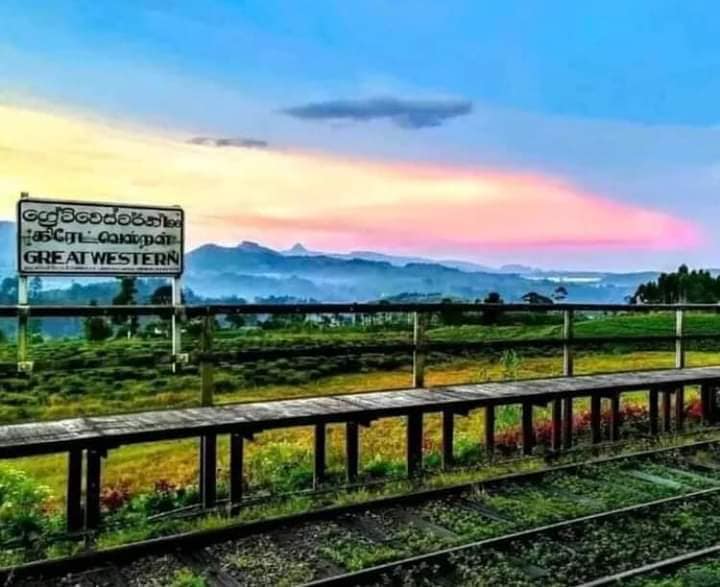
The trek begins at Great Western Railway Station, where you can find local guides if needed. The path leads through dense forests, misty grasslands, and rugged terrain, offering hikers a chance to witness unique flora and fauna. Be prepared for sudden weather changes, as mist and rain can roll in unexpectedly.
What the Trail Doesn’t Tell You (Local Reality Before You Hike)
Most online guides describe Great Western Mountain as “challenging” — but that word doesn’t prepare you for how the challenge unfolds.
The first hour of the hike feels deceptively calm, especially if you start from Great Western Railway Station early morning. The trail is narrow but defined, cutting through grasslands used by estate workers. Then, without warning, the terrain changes. Footpaths fade into damp rock, visibility drops as mist rolls in, and phone signals disappear completely. This is where many first-time hikers underestimate the mountain.
Local hikers treat this section with respect, not fear. They slow down, pause often, and read the wind and cloud movement. If mist thickens instead of lifting after sunrise, experienced locals turn back — not because the summit is unreachable, but because Great Western is known for rapid white-out conditions, even outside monsoon months.
This is not a “push through at all costs” mountain. It rewards patience more than speed.
A Mountain Shaped by Wind, Not Just Height
At 2,212 meters, Great Western Mountain is often compared to higher peaks like Pidurutalagala. But what makes it feel tougher is wind exposure, not altitude.
Unlike forest-covered trails, long sections near the summit are open and exposed. Wind funnels through the saddle between ridges, sometimes strong enough to knock balance off even experienced trekkers. Locals often hike with a lightweight walking stick — not for steep climbs, but for stability during gusts.
This constant wind is also why trees near the top grow twisted and low, shaped sideways rather than upward. It’s a subtle detail many visitors miss, but once noticed, it becomes one of the mountain’s most fascinating natural signatures.
Wildlife Encounters: What You’re More Likely (and Unlikely) to See
While blogs often list wildlife species, reality is more specific.
On Great Western Mountain:
- Birdlife is most active between 6:00 and 8:00 a.m., especially along forest edges near the lower slopes.
- Sambar deer sightings usually happen descending, not ascending, when the trail quiets down.
- You are far more likely to hear animals than see them — rustling grass, alarm calls, sudden silence.
What you’re unlikely to encounter:
- Large predators (they avoid this exposed terrain)
- Reptiles near the summit (cold winds keep them lower)
This makes Great Western ideal for travelers who enjoy wildlife presence without feeling unsafe or intrusive.
Weather Decisions Locals Make (That Tourists Often Ignore)
A local rule rarely written online:
If the clouds rise from below instead of drifting across, you continue.
If clouds sink from above, you turn back.
This simple observation has kept many estate workers and hikers safe for decades. Clouds descending from above usually signal incoming rain or heavy mist trapped by wind — conditions that make navigation risky within minutes.
If you notice your clothes staying damp even without rain, that’s another local warning sign. On Great Western, dampness often arrives before rainfall.
Why Sunrise Isn’t Always the Best Moment Here
Contrary to popular belief, sunrise isn’t guaranteed to be the highlight.
Many experienced hikers prefer late-morning summit windows (around 9:30–10:30 a.m.) during dry months. By then:
- Mist often lifts briefly
- Wind settles
- Valleys open up clearly without harsh glare
Sunrise can be dramatic, yes — but it’s also when visibility is most unpredictable. Travelers chasing “sunrise photos” often leave disappointed, while those who stay patient are rewarded later.
Ethical Trekking: A Quiet Responsibility on This Mountain
Great Western Mountain does not have ticket counters, checkpoints, or rangers. This freedom comes with responsibility.
Local communities notice:
- Litter left near grassland edges
- Shortcut paths that damage fragile slopes
- Loud music that disrupts wildlife
If you hike with care here, you’re not just protecting nature — you’re helping keep this mountain unrestricted and open to future travelers. Several nearby peaks have already seen access limitations due to misuse.
Who This Hike Is Not For
Being honest helps travelers plan better.
Great Western Mountain may not suit:
- Families with small children
- Travelers expecting well-marked trails
- Casual walkers without hill-country hiking experience
It does suit:
- Slow hikers who enjoy observation
- Photographers comfortable waiting for light
- Travelers seeking quiet, not crowds
Things to See and Do at the Great Western Mountain
1. Hiking and Trekking
The Great Western Mountain is a paradise for hikers. The trails vary in difficulty, catering to both beginners and experienced trekkers. As you ascend, you’ll be rewarded with stunning views of tea estates, waterfalls, and the distant Knuckles Mountain Range.
2. Stunning Sunrise Views
Reaching the summit early in the morning provides a mesmerizing view of the sunrise over Nuwara Eliya’s rolling hills. The golden hues painting the sky above the mist-covered valleys make for an unforgettable sight.
3. Photography
With its dramatic landscapes and ever-changing weather, the Great Western Mountain is a photographer’s dream. Capture the mist rolling over the hills, the vibrant greenery of tea plantations, and the golden hues of sunrise or sunset.
4. Tea Plantation Tours
Nuwara Eliya is famous for its Ceylon tea, and the Great Western Mountain is surrounded by some of the region’s most beautiful tea estates. Take a guided tour to learn about the tea-making process and enjoy a freshly brewed cup of tea amidst the plantations.
5. Bird Watching and Wildlife
Great Western Mountain is home to a variety of bird species, including Sri Lanka’s endemic highland birds such as the Sri Lanka Whistling Thrush and Yellow-eared Bulbul. If you’re lucky, you may also spot sambar deer and mongoose along the trail.
6. Picnicking
Pack a picnic and enjoy a leisurely meal surrounded by the beauty of nature. The cool climate and tranquil environment make it the perfect spot to relax and unwind.
How to Get There
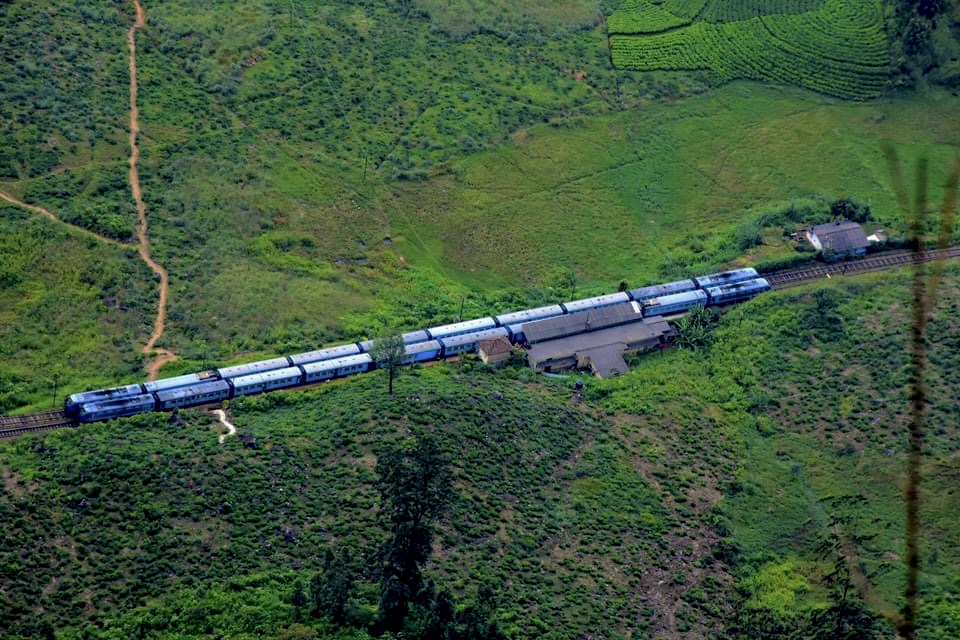
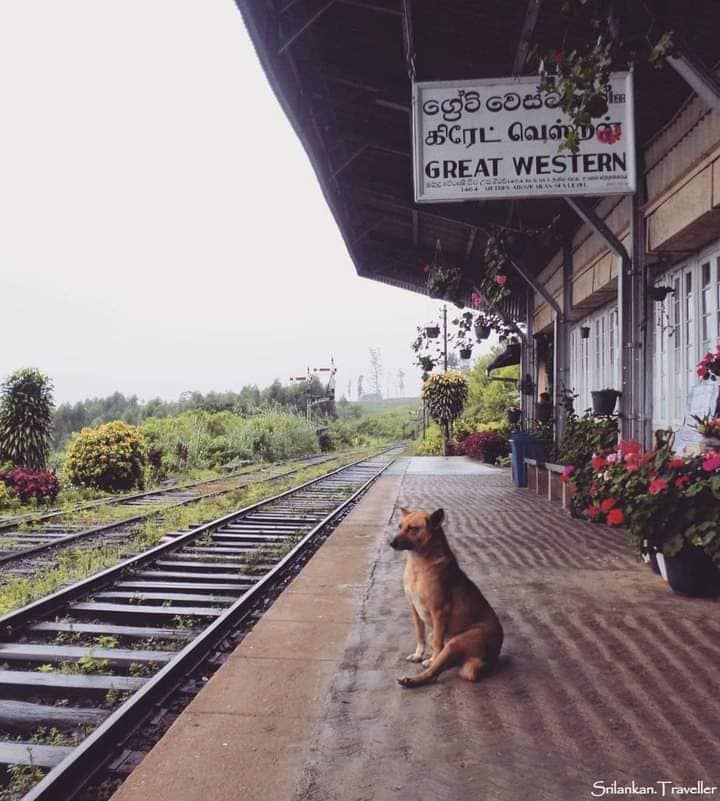
The mountain is accessible from Great Western Railway Station, a small station located along the scenic Colombo-Badulla railway line. The station itself is a charming stop where you can witness Sri Lanka’s famous hill-country train passing through, surrounded by misty tea estates and verdant hills.
- By Train: The most scenic way to reach the Great Western Mountain is by train. You can board a train from Colombo, Kandy, or Ella and get off at Great Western Station.
- By Road: If traveling by car, the easiest route is via Nuwara Eliya or Hatton, which are well-connected by road networks. From there, a short drive takes you to the base of the mountain.
Best Time to Visit
The Great Western Mountain can be visited year-round, but the best time to explore is during the dry season, from December to March. During these months, the weather is cool and pleasant, with clear skies offering uninterrupted views of the surrounding landscapes. The monsoon season (May to September) can bring heavy rains, making hiking trails slippery and less accessible.
Tips for Hikers
- Wear Proper Gear: Sturdy hiking boots, warm clothing, and rain gear are essential due to the unpredictable weather.
- Carry Enough Water & Snacks: There are no shops along the trail, so bring your own supplies.
- Start Early: To avoid mist and rain, start your trek early in the morning.
- Hire a Guide: If you’re unfamiliar with the trail, hiring a local guide is recommended for a safer and more enjoyable trek.
- Respect Nature: Take only pictures, leave only footprints. Avoid littering and respect the local environment.
Nearby Attractions
While visiting the Great Western Mountain, don’t miss out on exploring other attractions in Nuwara Eliya:
Horton Plains National Park: A UNESCO World Heritage Site known for its scenic trails and World’s End viewpoint.
Gregory Lake: A serene lake perfect for boating and picnicking.
Victoria Park: A beautifully maintained park with vibrant flower beds and walking paths.
St. Clair’s Falls: One of Sri Lanka’s most stunning waterfalls, located just a short drive from Nuwara Eliya.
FAQ
1. Where is Great Western Mountain located in Sri Lanka?
Great Western Mountain is located in Sri Lanka’s central highlands, within the Nuwara Eliya District. It rises close to the Colombo–Badulla railway line, with the most common access point being Great Western Railway Station, a small stop between Nanu Oya and Talawakele.
2. How difficult is the Great Western Mountain hike?
The hike is considered moderate to difficult, mainly due to steep sections, exposed ridges, and rapidly changing weather rather than technical climbing. While no special equipment is required, prior hiking experience in hill-country terrain is strongly recommended.
3. How long does it take to hike Great Western Mountain?
Most hikers take 4 to 6 hours for a round trip, depending on weather, fitness level, and how long they spend at the summit. Strong winds or mist can significantly slow progress, especially near the top.
4. Is Great Western Mountain suitable for beginners?
Great Western Mountain is not ideal for complete beginners. The trail is not clearly marked in some sections, and visibility can drop suddenly. Beginners are advised to hike with an experienced local guide or choose easier trails around Nuwara Eliya instead.
5. Do you need a guide to hike Great Western Mountain?
A guide is not mandatory, but highly recommended for first-time visitors. Local guides understand weather patterns, safe turnaround points, and alternative routes — knowledge that becomes crucial if mist or rain sets in unexpectedly.
6. What is the best time of day to hike Great Western Mountain?
Early morning starts are common, but mid-morning (around 9:30–10:30 a.m.) often offers clearer views once mist lifts. Sunrise hikes can be rewarding, but visibility at dawn is unpredictable even during the dry season.
7. What is the best month to visit Great Western Mountain?
The most reliable months are January to March, when rainfall is lower and trail conditions are safer. During the southwest monsoon (May to September), the trail becomes slippery and cloud cover often blocks summit views.
8. Is Great Western Mountain colder than Nuwara Eliya town?
Yes. Due to wind exposure and altitude, temperatures near the summit often feel several degrees colder than in Nuwara Eliya town. Wind chill can be significant, even on sunny days.
9. Can you see wildlife on Great Western Mountain?
Wildlife sightings are possible but not guaranteed. Hikers commonly encounter highland bird species and occasionally spot sambar deer on quieter sections of the trail. Most animals remain hidden, making this a low-risk hike for wildlife encounters.
10. Is there mobile network coverage on Great Western Mountain?
Mobile coverage is limited and unreliable once you leave the railway station area. Signal often disappears completely near the upper slopes, so hikers should not rely on mobile navigation or emergency calls.
11. Are there facilities or shops near the hiking trail?
No. There are no shops, toilets, or shelters along the trail. Hikers must carry sufficient water, food, and weather protection before starting the climb.
12. Is camping allowed on Great Western Mountain?
Overnight camping is not officially regulated, but it is generally discouraged due to strong winds, cold temperatures, and lack of designated campsites. Most visitors complete the hike as a day trip.
13. Why is Great Western Mountain less crowded than other hikes in Nuwara Eliya?
Unlike popular trails such as Horton Plains, Great Western Mountain lacks formal entrances, signboards, and commercial promotion. Its challenging conditions and limited facilities naturally attract fewer casual tourists.
14. What makes Great Western Mountain different from other Sri Lankan peaks?
Great Western Mountain is known for its wind-shaped landscape, open ridgelines, and quiet atmosphere rather than dramatic cliffs or viewpoints. It appeals to travelers seeking solitude and a raw highland experience rather than a polished tourist attraction.
15. Is Great Western Mountain safe to hike?
Yes, when approached responsibly. Most accidents occur due to poor weather judgment or late starts. Checking forecasts, starting early, and turning back when conditions worsen are key safety practices followed by local hikers.
Location
Videos
Final Thoughts
The Great Western Mountain in Nuwara Eliya is a destination that captivates the soul. Its natural beauty, tranquil atmosphere, and abundance of activities make it a must-visit for anyone traveling to Sri Lanka. Whether you’re hiking to the summit, sipping tea amidst the plantations, or simply soaking in the views, this mountain promises an experience you’ll cherish forever.
Great Western Mountain is not about ticking off a summit. It’s about learning when to move forward, when to wait, and when to turn back — lessons that stay with you long after you leave Nuwara Eliya.
If you’ve visited Great Western Mountain, feel free to share your experience in the comments below and inspire other travelers to discover this incredible destination.
By Tour My Lanka Editorial Team
– promoting sustainable and authentic travel across Sri Lanka.
Last Updated: January 2026
Images in this article are for illustration purposes and sourced from royalty-free platforms such as Pixabay and Unsplash.