
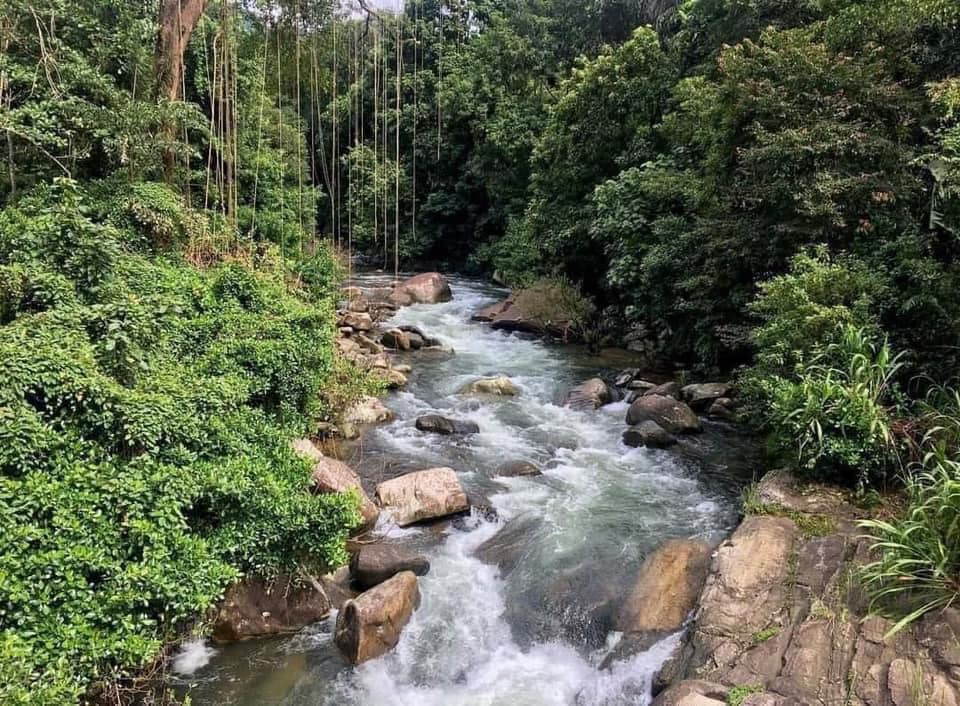
If you’re looking to escape the crowds and immerse yourself in untouched nature, Bulathkohupitiya in Sri Lanka’s Kegalle District is a destination worth discovering. Known for its cascading waterfalls, cool climate, and lush green landscapes, this charming village offers a genuine off-the-beaten-path experience in the heart of the island.
Whether you’re an adventurer, nature lover, or culture seeker, this complete travel guide to Bulathkohupitiya will help you plan the perfect eco-friendly getaway.
Quick Facts about Bulathkohupitiya
- Location: Kegalle District, Sabaragamuwa Province, Sri Lanka
- Distance from Colombo: ~85 km (around 3 hours by car)
- Elevation: ~700 meters above sea level
- Famous for: Waterfalls, forest treks, tea and spice plantations, birdwatching
Why Visit Bulathkohupitiya?
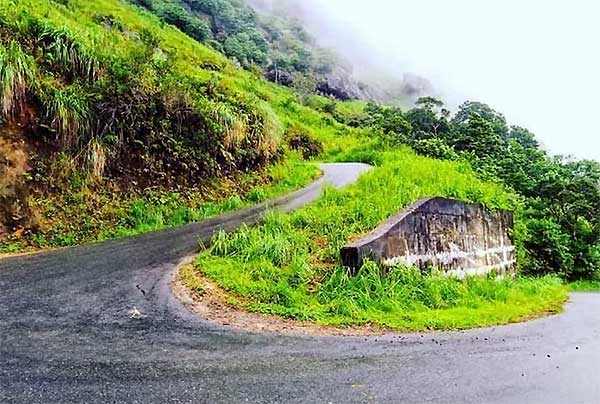
Unlike well-known towns like Ella or Nuwara Eliya, Bulathkohupitiya remains a peaceful and largely undiscovered destination. Waterfalls tumble through dense jungle, winding mountain roads reveal breathtaking views, and local hospitality feels warm and genuine.
Top reasons to visit:
- Untouched Natural Beauty: Rolling tea estates, misty mountains, and lush forests.
- Spectacular Waterfalls: Don’t miss Rukmal Ella and Nalagana Ella Falls — perfect for photography and a refreshing dip.
- Scenic Hiking Routes: The roads toward Dedugala and Udapalampitiya offer panoramic views and tranquil trekking trails.
- Authentic Village Life: Taste traditional rice and curry, visit local markets, and join seasonal village festivals.
- Eco-Friendly Travel: The region’s low tourist footprint makes it ideal for sustainable, nature-based tourism.
Top Attractions in Bulathkohupitiya
1. Rukmal Ella Falls
Visible from the Bulathkohupitiya–Dedugala main road, Rukmal Ella is a stunning waterfall fed by the Ritigala Oya. Surrounded by dense greenery, it’s a perfect spot for photography or a quiet picnic.
Tip: Visit early in the morning to enjoy the peaceful ambiance.
2. Nalagana Ella Falls
Also called Ritigaha Oya Falls, Nalagana Ella offers a tranquil escape just a short drive away. Visit between October and March to see the waterfall at its fullest.
3. Dedugala Waterfall Route
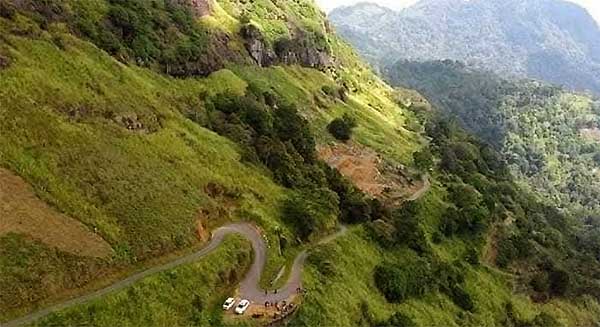
The scenic 20 km drive from Bulathkohupitiya to Dedugala is a paradise for nature lovers, lined with multiple waterfalls and viewpoints. The road is narrow but well-maintained — ideal for a day trip by car or tuk-tuk.
4. Udapalampitiya Viewpoint
At nearly 4,000 feet above sea level, this viewpoint provides breathtaking views of mist-covered hills and valleys. Hike or drive up for sunrise or sunset — the panorama is worth the effort.
5. Local Markets and Village Life
Visit the lively local markets to sample fresh produce, spices, and traditional street foods such as hoppers and rice and curry (LKR 150–500). Engage with friendly locals and experience the rhythm of rural Sri Lankan life.
How to Get There
- By Bus: Regular buses run from Colombo (Bastian Mawatha) to Kegalle, then onward to Bulathkohupitiya (~3 hours total).
- By Car: The fastest and most comfortable route — around 1.5 to 2 hours from Colombo.
- By Taxi or Bus Combo: A taxi to Kegalle plus a local bus to Bulathkohupitiya is both affordable and scenic.
- By Tuk-Tuk: For adventurous travelers, a 3-hour tuk-tuk ride from Colombo costs around USD 20–30.
- Nearest Airport: Bandaranaike International Airport (Colombo) — about 50 km away.
Best Time to Visit
- Dry Season (Dec–Mar): Best for hiking and sightseeing with clear skies and mild temperatures.
- Wet Season (Apr–Sep): Expect lush greenery and stronger waterfall flows — perfect for nature photographers.
- Shoulder Months (Oct–Nov): Balanced weather and fewer visitors.
Average temperature ranges from 17–30°C, depending on elevation.
The “In-Between Sri Lanka” Feeling: Why Bulathkohupitiya Feels Different on Day One
One thing travelers often struggle to describe after visiting Bulathkohupitiya is where it fits in Sri Lanka’s geography — and that’s exactly what makes it special.
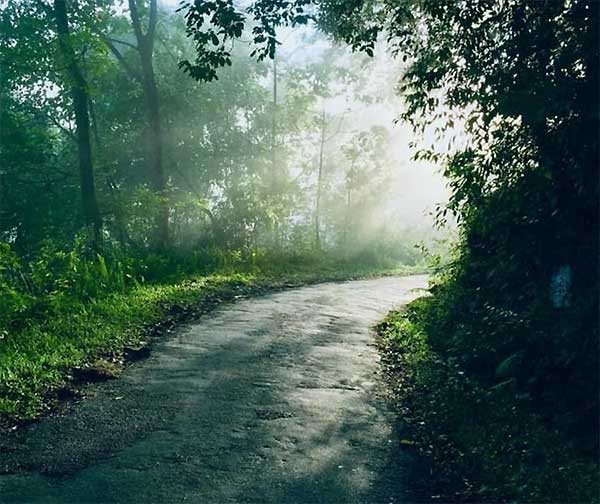
Bulathkohupitiya does not feel like the Hill Country in the classic sense (tea factories, colonial bungalows), nor does it feel like the low-country villages closer to Colombo. Instead, it exists in an in-between zone — climatically, culturally, and visually.
- Mornings arrive with cool mist, but afternoons are warm enough for village life to continue outdoors.
- Tea grows here, but smallholder plots dominate instead of large estates.
- You hear temple bells at dawn, followed by the sound of hand tractors and schoolchildren, not tour buses.
For travelers used to popular destinations like Ella or Nuwara Eliya, this “in-between” feeling is often the most memorable part. There is no performance for visitors here — daily life continues whether you’re watching or not.
Local insight:
If you wake up early (around 5:30–6:00 AM), step outside quietly. You’ll notice how the village transitions from silence to movement — cows being led out, tea leaves carried in sacks, kettles boiling in open kitchens. This moment alone often becomes a highlight for slow travelers.
How Locals Actually Use the Landscape (And Why It Matters for Travelers)
Most blog articles describe Bulathkohupitiya’s waterfalls and viewpoints — but what they don’t explain is how locals interact with these places daily.
In Bulathkohupitiya:
- Waterfalls are not just attractions — they are bathing spots, washing areas, and water sources.
- Footpaths you see on Google Maps are often school routes or farming shortcuts, not hiking trails.
- Small clearings near rivers may look empty, but they are often used at specific times of day.
Why this matters for travelers
Understanding this changes how you move through the area:
- Avoid visiting waterfalls mid-morning when locals bathe or wash clothes.
- Early morning (7–9 AM) and late afternoon (after 4 PM) are more respectful times for photography.
- If you see sandals or towels near water, assume the area is in use even if no one is visible.
This awareness doesn’t just make you a better traveler — it often leads to friendlier interactions, spontaneous conversations, and genuine smiles from locals who notice your respect.
Eating Like a Local Here Is Different (And Better)
Unlike tourist towns, Bulathkohupitiya has very few “restaurants” in the conventional sense. What visitors actually eat here is more interesting.
What to expect instead
- Home-style rice and curry, cooked once or twice a day
- Seasonal vegetables you may not recognize (jackfruit seeds, kohila stems, wild greens)
- Minimal spice heat — but deep, slow-cooked flavor
If you stay in a homestay, ask what time they cook, not what they serve. Meals are prepared around household routines, not guest schedules.
Experience-based tip:
Lunch is usually the best meal. Dinners are lighter and earlier than in cities. If you miss lunch, you may end up with tea and biscuits — which is normal here, not a sign of poor hospitality.
Rain Here Is Not a Problem — It’s a Rhythm
Travelers often worry about rain in Bulathkohupitiya. Locals don’t.
Rain in this region is:
- Short, intense, and predictable
- Often followed by clear air and dramatic views
- Essential for the waterfalls you came to see
Instead of planning days around “good weather,” locals plan around rain windows:
- Walks and visits in the morning
- Rest, tea, or indoor conversations during rain
- Evening outings once the clouds lift
For travelers, adopting this rhythm reduces frustration and makes the stay feel calmer and more natural.
A Small but Important Navigation Reality
One practical detail rarely mentioned online: location pins for Bulathkohupitiya are inconsistent across Google Maps.
Some routes may:
- Lead you through private estate roads
- End at dead-ends near streams
- Appear drivable but are footpaths
Trusted local method:
When asking for directions, say:
“Bulathkohupitiya town, near the main junction / school / temple”
Landmarks matter more than GPS here. Drivers and villagers navigate by human reference points, not coordinates.
What Responsible Travel Actually Looks Like in Bulathkohupitiya
Responsible travel here is not about grand gestures. It’s about small, visible choices.
- Buy tea or spices directly from roadside sellers
- Ask before entering land near waterfalls
- Keep noise low in the early morning and after sunset
- Leave fruit peels and organic waste with locals, not on trails
These actions are noticed — and remembered.
Common Mistakes First-Time Visitors Make in Bulathkohupitiya (And How to Avoid Them)
This section is based on patterns locals quietly notice and what travelers often realize after a day or two. Avoiding these mistakes doesn’t require extra money or planning—just a shift in expectations.
1) Treating Bulathkohupitiya Like a “Sightseeing Stop”
The mistake: Arriving with a checklist mindset—see a waterfall, snap photos, leave.
Why it disappoints: The value here isn’t density of attractions; it’s pace. Rushing makes the village feel “empty,” when it’s simply unhurried.
Do this instead: Plan fewer stops and longer pauses. Sit near a stream, walk a short stretch of road, accept a cup of tea. The place opens up slowly.
2) Relying Fully on Google Maps for Final Access
The mistake: Following GPS to the last meter, assuming every road is public and drivable.
Why it’s a problem: Some “roads” are estate tracks or footpaths; others end near private land or streams.
Do this instead: Use maps to reach the nearest junction or landmark, then ask locally. Directions here are human-based, not coordinate-based—and you’ll get better routes.
3) Visiting Waterfalls at the Wrong Time of Day
The mistake: Showing up mid-morning or noon.
Why it matters: Many waterfalls double as daily-use spots for villagers (bathing, washing). Midday visits can feel awkward—or intrusive.
Do this instead: Go early (7–9 AM) or later (after 4 PM). You’ll get softer light, cooler air, and more privacy.
4) Expecting “Restaurant Hours”
The mistake: Looking for food whenever hunger strikes.
Why it fails: Meals are cooked on household schedules. Miss lunch, and options shrink quickly.
Do this instead: Ask when food is prepared, not what’s available. Plan your day around lunch, and treat evenings as light-meal time.
5) Packing for a City, Not a Village
The mistake: Forgetting basics—cash, sandals, rain cover—assuming you can buy anything nearby.
Why it’s risky: Shops are small and practical. ATMs and pharmacies may require travel.
Do this instead: Carry small notes, a torch (power cuts happen), insect repellent, and footwear you can remove easily for homes and temples.
6) Misreading the Quiet as “Nothing to Do”
The mistake: Feeling bored after sunset or during rain.
Why it happens: Entertainment here is not scheduled.
Do this instead: Use quiet windows intentionally—journal, read, talk with hosts, listen. Many travelers later say these were their most grounding moments.
7) Over-Planning Day Trips Out of the Area
The mistake: Treating Bulathkohupitiya as a base to escape from daily.
Why it backfires: You spend hours on roads and miss what makes staying worthwhile.
Do this instead: Commit to being here for at least one full day without leaving the immediate area. Let the environment set the agenda.
8) Assuming English Will Handle Everything
The mistake: Expecting detailed explanations in English.
Why it limits you: Locals are helpful, but nuance gets lost.
Do this instead: Learn a few Sinhala words (hello, thank you, water). Gestures and patience go far—and often lead to warmer interactions.
9) Photographing First, Asking Later
The mistake: Treating daily life as scenery.
Why it matters: This is a living village, not a display.
Do this instead: Make eye contact, ask with a gesture or smile. You’ll often be invited closer—or shown a better angle.
10) Leaving Without Understanding Why It Felt Different
The mistake: Departing with photos but no reflection.
Why it’s a loss: Bulathkohupitiya’s value is subtle—rhythm, restraint, routine.
Do this instead: Ask yourself what slowed down here—and what you want to take back with you. That insight is the real souvenir.
Who Bulathkohupitiya Is Not For (An Honest Perspective)
This section exists for one reason: to help travelers choose wisely.
Bulathkohupitiya is rewarding—but only if your expectations align with its reality. If they don’t, even its beauty can feel underwhelming.
❌ This place may not be for you if you need constant stimulation
There are no nightlife options, organized activities, or cafés to move between. Evenings are quiet, sometimes very quiet. If silence feels uncomfortable or unproductive, Bulathkohupitiya can feel long.
Be honest with yourself: enjoyment here comes from slowing down, not staying entertained.
❌ Not ideal for travelers who want comfort to be effortless
Accommodation is simple. Hot water may depend on weather. Wi-Fi can be unreliable. Power cuts happen.
If comfort for you means consistency, instant connectivity, and predictable service, this village may feel inconvenient rather than charming.
❌ Not suitable for rushed itineraries
If you’re trying to cover many destinations in a short trip, Bulathkohupitiya will feel like a detour. Travel times are longer than they appear on maps, and the area rewards staying—not passing through.
This is not a place to “tick off” between major highlights.
❌ Not for travelers seeking curated experiences
There are no guided schedules, no packaged tours, and no “must-do” lists waiting at reception desks.
If you prefer destinations where experiences are pre-arranged and clearly labeled, the lack of structure here may feel confusing or incomplete.
❌ Not a fit for travelers uncomfortable with rural realities
You may encounter:
- Muddy paths after rain
- Insects, frogs, and geckos near homes
- Livestock sharing roads
These are part of everyday life. If such realities feel disruptive rather than natural, Bulathkohupitiya may test your patience.
❌ Not for those seeking anonymity
People will notice you—not in an intrusive way, but with curiosity. Greetings are common. Questions are friendly. Your presence is visible.
If you strongly prefer to blend in and be left completely alone, this level of human awareness may feel unfamiliar.
Who Will Love Bulathkohupitiya Most
Bulathkohupitiya is best for travelers who:
- Value quiet over convenience
- Enjoy observing daily life without needing to participate
- Are comfortable with uncertainty and flexible plans
- Appreciate places that don’t try to impress
If that sounds like you, the village doesn’t just host you—it gently reshapes how you travel.
Where to Stay
Accommodation in Bulathkohupitiya is limited but charming.
- Guesthouses & Homestays: Budget-friendly options starting around USD $8 per night.
- Eco-Lodges: Ideal for sustainable travelers; prices range from LKR 5,000–10,000 per night.
- Nearby Towns: Stay in Kandy or Colombo for more variety and visit Bulathkohupitiya on a day trip.
Tip: Confirm basic amenities such as Wi-Fi and hot water before booking, as rural facilities can be simple.
Where to Eat
Enjoy authentic Sri Lankan cuisine at local eateries — affordable, flavorful, and freshly made.
Must-try dishes:
- Rice and Curry: A wholesome plate of rice with vegetable or meat curries, sambol, and lentils.
- String Hoppers & Coconut Sambol: A popular breakfast combo.
- Fresh Ceylon Tea: Locally grown and brewed to perfection.
Choose small family-run restaurants for genuine flavor and fair prices.
Practical Travel Tips
- Currency: Sri Lankan Rupee (LKR) — carry cash as cards may not be accepted in rural shops.
- Language: Sinhala and Tamil are primary; English is commonly understood.
- Dress Code: Dress modestly, especially near temples.
- Safety: Stick to marked trails and avoid swimming near strong currents.
- Transport: Negotiate tuk-tuk fares in advance or use metered vehicles.
- Eco Travel: Use reusable bottles and avoid single-use plastics.
- Packing Essentials: Hiking shoes, insect repellent, rain gear, and camera.
People Also Ask
1. What is Bulathkohupitiya known for?
For its beautiful waterfalls, lush mountain scenery, and authentic Sri Lankan village experiences.
2. How far is Bulathkohupitiya from Colombo?
Approximately 85 km — around 2 to 3 hours depending on traffic.
3. Is Bulathkohupitiya safe for tourists?
Yes, it’s generally very safe. Use common sense and stay on marked trails.
4. When is the best time to visit?
Between December and March, when the weather is clear and ideal for exploring.
5. Is Bulathkohupitiya suitable for travelers without a fixed itinerary?
Yes — and it may be better that way. The village rewards flexible schedules. Water levels, weather, and local events often shape the best experiences more than pre-planned routes.
6. Will I feel isolated staying overnight?
Quiet, yes. Isolated, no. Villagers check in subtly — a greeting, a question, an offer of tea. Solo travelers often report feeling looked after without being watched.
7. Is one full day enough?
One day shows you the scenery. Two days let you understand the pace. Three days allow you to stop “visiting” and start being present.
Nearby Attractions
- Kandy (25 miles): Visit the Temple of the Tooth and Peradeniya Botanical Garden.
- Kitulgala (41 miles): Famous for white-water rafting on the Kelani River and rainforest treks.
Videos
Final Thoughts: What Bulathkohupitiya Quietly Teaches You
Bulathkohupitiya does not announce itself. It doesn’t try to impress, entertain, or convince you that it deserves your time. In fact, if you arrive expecting spectacle, you may miss what it offers entirely.
What this village gives you—slowly, almost unnoticed—is a reminder of how travel used to feel before it became performance. Mornings begin with mist instead of notifications. Conversations happen without agendas. Distances are measured in walking time, not minutes saved.
Here, waterfalls are not landmarks but habits. Roads are not routes but shared spaces. Hospitality isn’t delivered—it’s extended, quietly and without expectation.
Many travelers leave Bulathkohupitiya with fewer photos than planned. What they carry instead is harder to quantify: a softened pace, a recalibrated sense of time, and the rare feeling of having visited without consuming.
This is not a place you “do.” It’s a place you adjust to.
If you allow that adjustment—if you stay long enough to let the village set the rhythm—you may realize something subtle has shifted. You walk slower. You listen more. You stop reaching for things that aren’t necessary.
And when you leave, Bulathkohupitiya doesn’t follow you in memories of highlights or must-see moments. It stays with you in a quieter way—in how you wait, how you notice, and how you move through the next place you visit.
That may be the most honest souvenir it offers.
If you’ve spent time in Bulathkohupitiya, we invite you to share what stayed with you—not what you saw, but what you felt.
Your perspective helps other travelers arrive with the right expectations.
If you’ve visited Bulathkohupitiya , please share your experience in the comments below!
By Tour My Lanka Editorial Team
– promoting sustainable and authentic travel across Sri Lanka.
Last Updated: January 2026
Images in this article are for illustration purposes and sourced from royalty-free platforms such as Pixabay and Unsplash.
Disclaimer: Ticket prices, opening hours, and transportation costs mentioned in this article may change due to seasonal or administrative updates. Please confirm with the relevant local authorities before visiting.