
The Blue Beach Island Underwater Gallery, located on Nilwella Beach, reflects a 100m long and 40m wide model town. This site can be viewed via snorkeling or dinghies with glass bottoms, offering a clear view of the underwater structures beneath the surface. The Sri Lanka Navy opened it in Matara on 10th April 2021.
What is the Blue Beach Island Underwater Gallery?
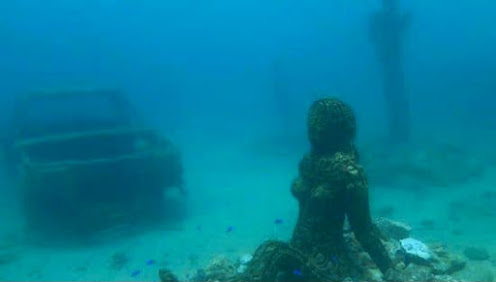
Located off the coast of Nilwella in the southern province of Sri Lanka, the Blue Beach Island Underwater Gallery is an innovative marine conservation project and art installation. It combines the beauty of the ocean with creative artistry, offering visitors a chance to explore an underwater world filled with sculptures, coral reefs, and vibrant marine life.
The gallery is designed to promote marine conservation while providing an immersive experience for snorkelers and divers. The sculptures, crafted from eco-friendly materials, serve as artificial reefs, attracting a diverse array of fish, crustaceans, and other sea creatures. Over time, these structures become part of the ocean ecosystem, creating a harmonious blend of art and nature.
Why Visit the Blue Beach Island Underwater Gallery?
- A Unique Underwater Experience
Unlike traditional art galleries, this one is submerged beneath the waves, offering a surreal and magical experience. As you snorkel or dive, you’ll encounter stunning sculptures that tell stories of Sri Lanka’s culture, history, and marine biodiversity.
- Marine Conservation in Action
The gallery is more than just a tourist attraction; it’s a testament to the importance of preserving our oceans. The project aims to encourage awareness of marine ecosystems through artificial reef development and responsible visitor behavior.
- Accessible for Beginners Under Suitable Sea Conditions
The shallow depth makes the site suitable for snorkeling during calm conditions, while deeper viewing is limited. The calm, clear waters of Nilwella make it an ideal spot for beginners, while seasoned divers can explore deeper sections of the gallery.
- Developing Marine Life Around the Structures
The gallery attracts small reef fish and other marine organisms that gradually settle around the structures, especially during calm sea conditions. The artificial reefs have created a thriving habitat, making it a hotspot for underwater photography and wildlife observation.
- A Peaceful Escape
Nilwella is a tranquil coastal town, far removed from the hustle and bustle of Sri Lanka’s more popular tourist destinations. The Blue Beach Island Underwater Gallery offers a serene and intimate experience, perfect for those seeking a quieter, more reflective adventure.
How to Get There
Nilwella is located approximately 200 kilometers south of Colombo, Sri Lanka’s capital. Once in Nilwella, you can arrange a boat ride to the Blue Beach Island Underwater Gallery through local tour operators or your accommodation. Many hotels and guesthouses in the area offer snorkeling and diving packages, making it easy to plan your visit.
Best Time to Visit
The ideal time to visit the Blue Beach Island Underwater Gallery is during the dry season, which runs from November to April. During this period, the weather is sunny, and the sea conditions are calm, which generally offers better visibility for snorkeling, depending on daily sea conditions. The monsoon season (May to October) can bring rough seas and reduced visibility, so it’s best to avoid these months.
Tips for Your Visit
- Book in Advance: While Nilwella is off the beaten path, the underwater gallery is gaining popularity. To secure your spot, book your snorkeling or diving tour in advance.
- Respect the Environment: Avoid touching the sculptures or marine life, and refrain from using harmful sunscreen that can damage coral reefs.
- Pack Wisely: Bring waterproof cameras, reef-safe sunscreen, and comfortable swimwear. If you’re new to snorkeling, most tour operators provide equipment.
- Stay Hydrated: The tropical climate can be intense, so be sure to carry plenty of water and stay hydrated throughout your adventure.
Where to Stay in Nilwella
Nilwella offers a range of accommodation options, from budget-friendly guesthouses to luxurious beachfront resorts. Some popular choices include:
- Nilwella Beach Villas: A boutique hotel offering stunning ocean views and personalized service.
- Cape Weligama: A luxury resort situated just a short drive away, ideal for those seeking a lavish retreat.
- Guesthouses and Homestays: For a more authentic experience, consider staying with a local family and immersing yourself in Sri Lankan culture.
Items displayed in the Museum
Blue Beach Island’s underwater gallery in Nilwella showcases sculptures, structures, and other artifacts crafted from eco-friendly materials, including recycled vehicles and aircraft, as well as artificial substrates designed explicitly for coral growth. Some of the models here are made of small pieces of rock, allowing seaweeds and corals to easily grow on these surfaces and create an environment conducive to natural fish breeding in a very short period.
The primary objective of the Underwater Gallery is to breed beautiful fish and cultivate new coral reefs.
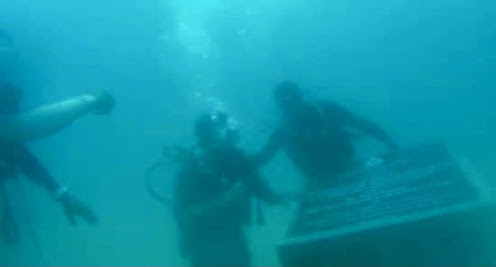
Apart from the scuba divers, this attractive site, located at depths of 4 to 10 meters, can be easily viewed by snorkeling and by dinghies with glass bottoms.
What Most Visitors Don’t Realize Before They Go
Unlike purpose-built underwater museums in deep-water dive zones, the Blue Beach Island Underwater Gallery is shallow, evolving, and seasonal. This is important for travelers to understand.
Local snorkel guides explain that visibility and coral growth vary significantly depending on sand movement, especially after strong southern currents. Some sculptures may appear partially buried at certain times of the year — not because of neglect, but because the seabed here is naturally dynamic.
For travelers, this means:
- You are witnessing a living, changing site, not a static museum.
- Each visit can look slightly different, especially months apart.
- The experience is more about marine recovery in progress than perfect symmetry or polished visuals.
This honest framing builds trust — and avoids disappointment.
Snorkeling vs Glass-Bottom Boat – Which Is Actually Better?
Most articles treat these as equal options. They are not.
Snorkeling (Best for curious travelers):
- Lets you notice small reef fish, algae growth, and coral attachment
- Requires calm seas and basic swimming confidence
- Best between 9:00–11:30 AM, before sand gets disturbed
Glass-bottom dinghy (Best for families & non-swimmers):
- Safer during mild surface chop
- Limited viewing angle — sculptures appear flatter
- Better for context, not detail
Local tip: If the sea is slightly cloudy, don’t cancel outright — switch to the boat option and return another morning for snorkeling.
What You’re Really Seeing Underwater (Beyond the Sculptures)
Many visitors focus only on the installations, but marine life tells the real story.
Over time, snorkelers often notice:
- Algae layers form first, then soft corals
- Small damselfish and wrasses establishing territory
- Juvenile fish using hollow structures as protection
This gradual colonization confirms the site’s role as a functional artificial reef, not just an art display. It’s subtle, not dramatic — but meaningful for travelers who appreciate conservation over spectacle.
Who This Place Is For (And Who May Be Disappointed)
This experience is ideal if you:
- Enjoy slow, mindful travel
- Appreciate conservation projects in early stages
- Prefer uncrowded coastal spots
- Are traveling with family or first-time snorkelers
You may want to skip if you:
- Expect colorful coral walls like Pigeon Island
- Want advanced scuba dives
- Prefer polished, commercial attractions
- Are visiting during peak monsoon months
Common First-Time Mistakes at Blue Beach Island Underwater Museum
Real issues observed by local operators:
- Arriving after noon – sand stirred by boats reduces clarity
- Using regular sunscreen – damages coral settlement
- Expecting a “statue park” – it’s a reef project, not a gallery hall
- Touching structures – slows coral attachment
- Visiting during rough seas – experience suffers, not worth forcing
Nearby Attractions to Combine with Your Visit
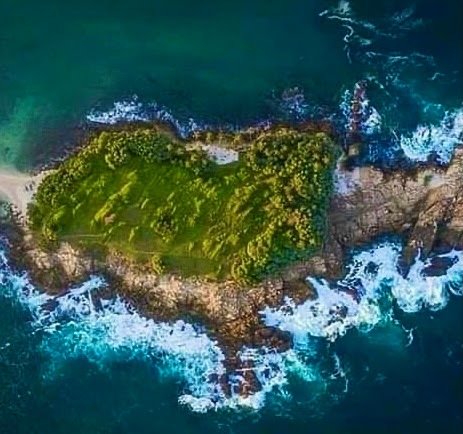
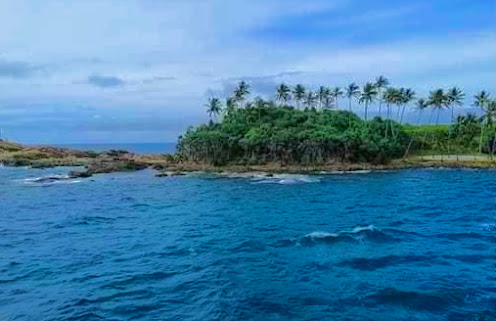
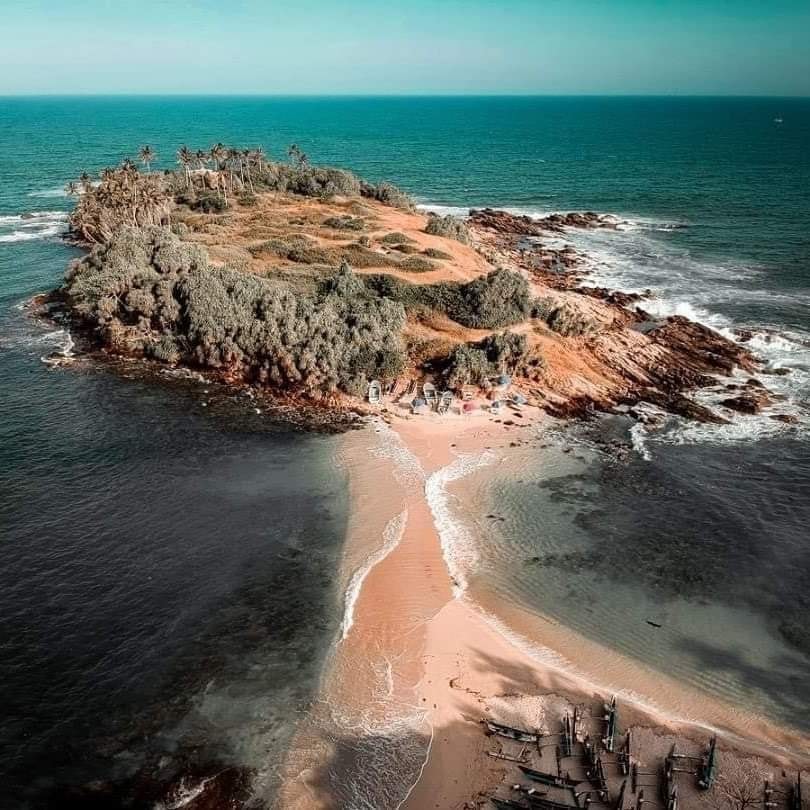
Tucked away along the southern coast of Sri Lanka, Blue Beach Island in Matara is a hidden tropical gem waiting to be discovered. This charming little island, connected to the mainland by a narrow sandy path, offers a unique blend of tranquility, adventure, and breathtaking natural beauty.
Surrounded by crystal-clear turquoise waters and vibrant coral reefs, it’s a perfect getaway for snorkeling, sunbathing, or simply soaking in the serene coastal vibes. Whether you’re a nature lover, a photographer, or a traveler in search of peace, Blue Beach Island promises a refreshing escape from the ordinary.
-
Nilwella Fishery Harbour
Located near the tranquil village of Nilwella, this harbor is where local fishermen bring in their daily catch, creating a lively scene of colorful boats, fresh seafood, and the rhythms of traditional fishing culture. Visitors can watch the fishermen at work, explore the harbor’s surroundings, or even purchase the freshest seafood straight from the source. A visit to Nilwella Fishery Harbour offers a unique cultural experience in Sri Lanka’s southern shores.
-
Hummanaya Blowhole
Hummanaya Blowhole, located near the coastal village of Kudawella in southern Sri Lanka, is a natural wonder and the only known natural blowhole in Sri Lanka, and one of the country’s most powerful coastal formations. This awe-inspiring phenomenon occurs when ocean water rushes through a submerged cavern and shoots high into the air through a narrow rock opening, creating a dramatic display of nature’s power. The water spray can reach impressive heights, especially during the monsoon season, drawing travelers and photographers alike.
FAQ
1. Is Blue Beach Island Underwater Museum suitable for non-swimmers?
Yes. Glass-bottom boat rides allow non-swimmers to view the site safely without entering the water.
2. How deep is the Blue Beach Island Underwater Gallery?
The installations are placed at depths of approximately 4–10 meters, making them accessible for snorkeling under calm conditions.
3. Can beginners snorkel at Blue Beach Island?
Yes, when sea conditions are calm. Local guides usually assess safety before allowing entry.
4. Are the sculptures fully visible year-round?
Visibility depends on sand movement and sea conditions. Some structures may be partially covered at certain times.
5. Is this an active coral reef or still developing?
It is a developing artificial reef, with marine growth increasing gradually over time.
Videos
Location
Final Thoughts
The Blue Beach Island Underwater Gallery in Nilwella is a testament to the beauty and fragility of our oceans. It’s a place where art, nature, and conservation come together, offering visitors a truly unique and meaningful experience. Whether you’re an avid diver, a nature enthusiast, or simply someone looking for a new adventure, this underwater gallery is sure to leave you in awe.
For travelers interested in marine conservation projects and quiet coastal experiences, the Blue Beach Island Underwater Gallery offers a distinctive stop in southern Sri Lanka. Your Sri Lankan adventure awaits!
If you’ve visited Blue Beach Island Underwater Gallery in Nilwella, feel free to share your experience in the comments below and inspire other travelers to discover this incredible destination.
By Tour My Lanka Editorial Team
– promoting sustainable and authentic travel across Sri Lanka.
Last Updated: December 2025
Images in this article are for illustration purposes and sourced from royalty-free platforms such as Pixabay and Unsplash.